Small Hydropower Systems
Introduction
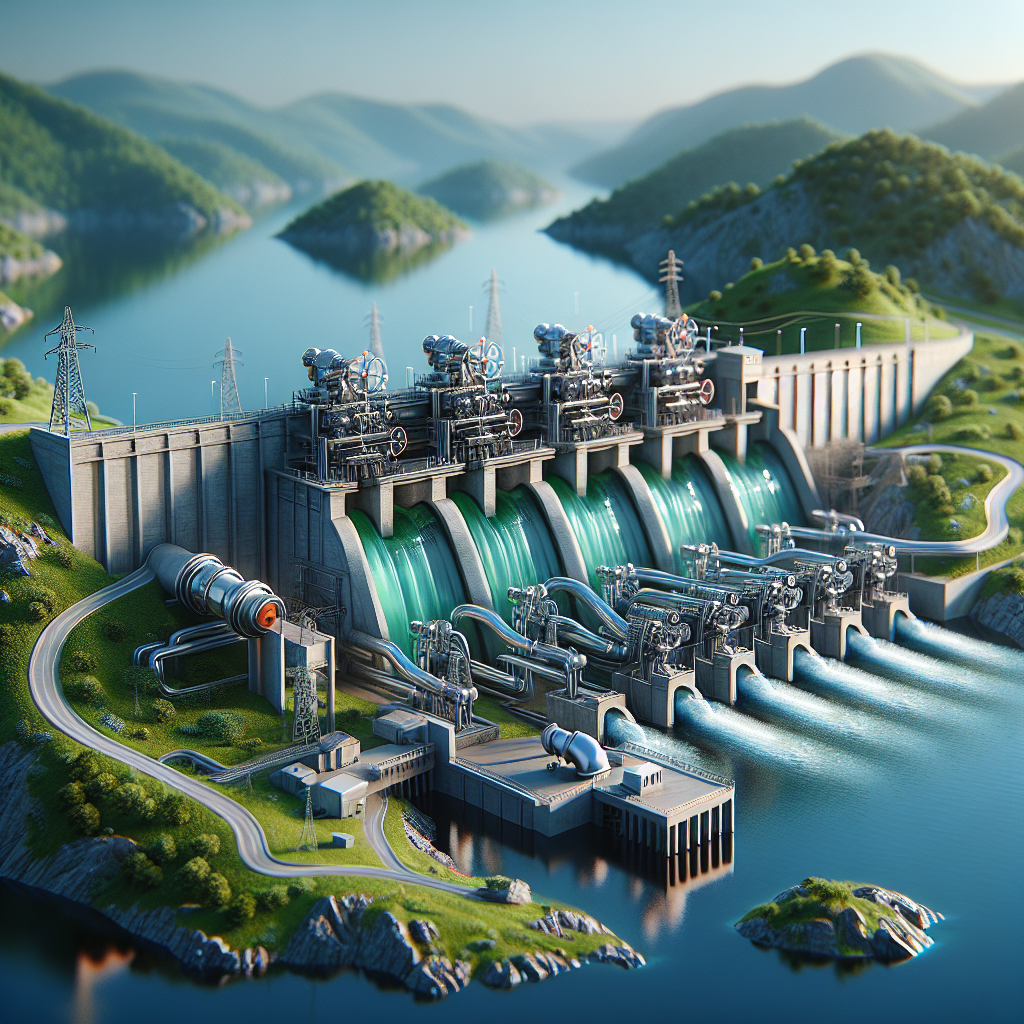
Small hydropower systems represent a significant and growing segment within the field of renewable energy engineering. These systems harness the kinetic energy of flowing water to generate electricity, offering a sustainable and environmentally friendly alternative to fossil fuels. Unlike large-scale hydropower projects, small hydropower systems are typically defined as those with a capacity of up to 10 megawatts (MW). They are particularly valuable for rural and remote areas where grid connectivity is limited or non-existent. This article delves into the importance, principles, historical development, applications, advanced topics, and challenges associated with small hydropower systems.
Fundamentals
Basic Principles and Concepts
Small hydropower systems operate on the same fundamental principles as larger hydropower plants. The primary components include a water source, a turbine, a generator, and a control system. Water from a river or stream is diverted through a penstock (a pipeline) to a turbine. The flowing water spins the turbine, which is connected to a generator that converts the mechanical energy into electrical energy.
Key Terms
- Head: The vertical distance the water falls, which determines the potential energy available.
- Flow Rate: The volume of water passing a point per unit time, usually measured in cubic meters per second (m³/s).
- Penstock: A pipeline that directs water from the source to the turbine.
- Turbine: A device that converts the kinetic energy of flowing water into mechanical energy.
- Generator: A machine that converts mechanical energy from the turbine into electrical energy.
Historical Development
The use of water for mechanical power dates back thousands of years, with early water wheels used for grinding grain and other agricultural purposes. The modern era of hydropower began in the late 19th century with the advent of electricity. In 1882, the world’s first hydroelectric power plant began operation on the Fox River in Appleton, Wisconsin, USA. This marked the beginning of a new era in energy production.
Throughout the 20th century, large-scale hydropower projects dominated the landscape, with iconic projects like the Hoover Dam in the United States and the Three Gorges Dam in China. However, the environmental and social impacts of these large projects led to a renewed interest in smaller, more sustainable hydropower systems. Notable figures such as Viktor Kaplan, who invented the Kaplan turbine, and James Francis, who developed the Francis turbine, made significant contributions to the field.
Applications
Rural Electrification
One of the most significant applications of small hydropower systems is in rural electrification. In many developing countries, remote and rural areas lack access to the national grid. Small hydropower systems can provide a reliable and sustainable source of electricity, improving the quality of life and economic opportunities for these communities.
Industrial Applications
Small hydropower systems are also used in various industrial applications. For example, they can provide power for mining operations, agricultural processing, and small manufacturing plants. These systems offer a cost-effective and environmentally friendly alternative to diesel generators and other fossil fuel-based power sources.
Case Studies
One notable example is the Chaglla Hydroelectric Plant in Peru, which has a capacity of 456 MW but includes smaller units that serve local communities. Another example is the Buleya Malima Mini Hydropower Project in Zambia, which provides electricity to rural areas and supports local agriculture and industry.
Advanced Topics
Recent Research and Innovations
Recent research in small hydropower systems focuses on improving efficiency, reducing costs, and minimizing environmental impacts. Innovations include the development of fish-friendly turbines, which allow fish to pass through without harm, and the use of advanced materials and manufacturing techniques to reduce the cost and improve the durability of components.
Future Trends
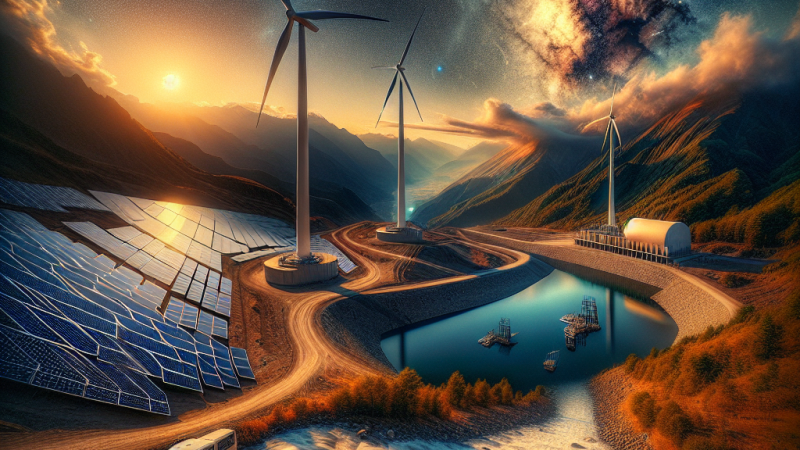
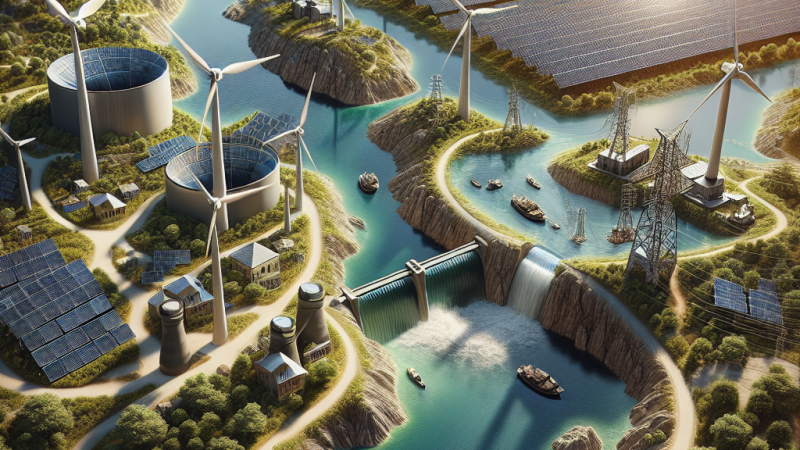
The future of small hydropower systems looks promising, with several trends driving growth and innovation. These include the integration of small hydropower with other renewable energy sources, such as solar and wind, to create hybrid systems that provide a more stable and reliable power supply. Advances in digital technology and automation are also enabling more efficient and cost-effective operation and maintenance of small hydropower systems.
Challenges and Considerations
Environmental and Social Impacts
While small hydropower systems have a lower environmental impact than large-scale projects, they are not without challenges. The construction of dams and diversion structures can disrupt local ecosystems and affect fish populations. Social impacts, such as the displacement of communities and changes in land use, must also be carefully managed.
Technical Challenges
Technical challenges include the variability of water flow, which can affect the reliability of power generation, and the need for regular maintenance to ensure the efficient operation of the system. Advances in technology and engineering practices are helping to address these challenges, but ongoing research and development are essential.
Potential Solutions
Potential solutions to these challenges include the use of run-of-river systems, which have a lower environmental impact than traditional dam-based systems, and the development of modular and scalable systems that can be easily adapted to different sites and conditions. Community involvement and stakeholder engagement are also critical to ensuring the successful implementation and operation of small hydropower projects.
Conclusion
Small hydropower systems play a crucial role in the field of renewable energy engineering, offering a sustainable and environmentally friendly alternative to fossil fuels. They provide reliable and cost-effective power for rural and remote areas, support industrial applications, and contribute to the overall diversification of the energy mix. While there are challenges and considerations associated with small hydropower systems, ongoing research and innovation are helping to address these issues and unlock new opportunities for growth and development. As the world continues to transition towards a more sustainable energy future, small hydropower systems will remain an important and valuable component of the global energy landscape.