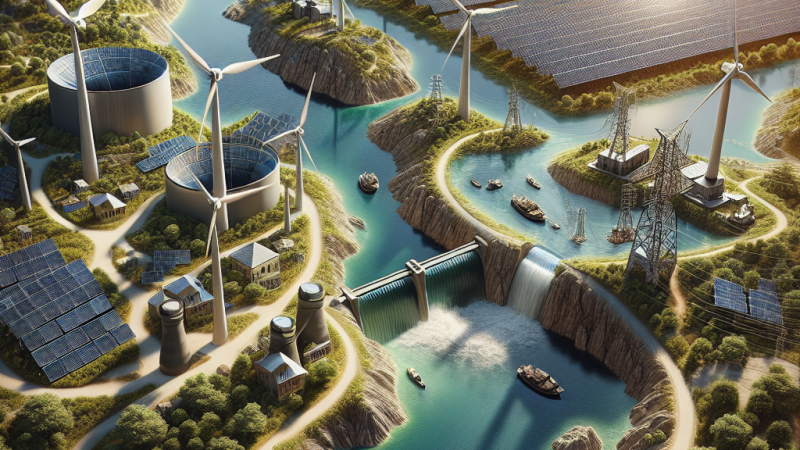
Renewable Energy in Remote Areas
Introduction
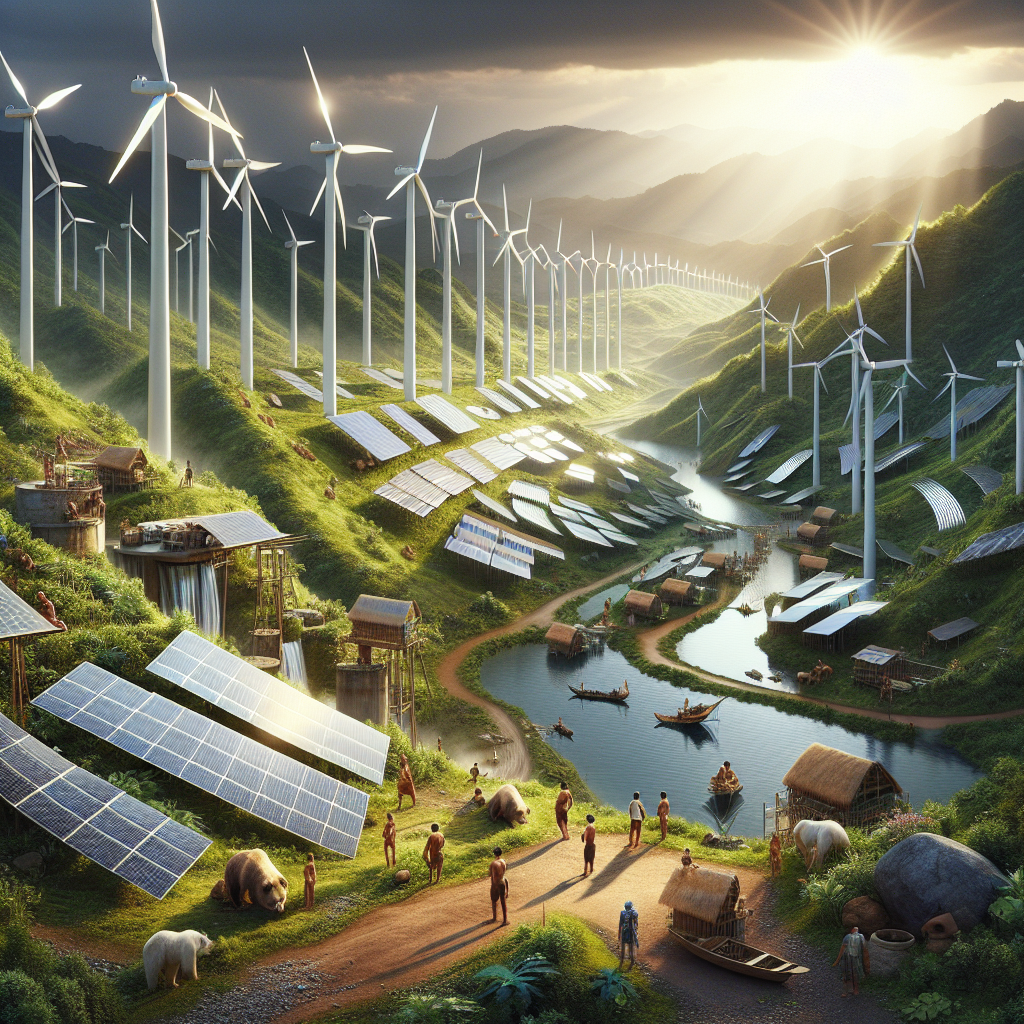
Renewable energy has emerged as a critical component in the quest for sustainable development, particularly in remote areas where traditional energy infrastructure is often lacking. The importance of renewable energy in these regions cannot be overstated, as it provides a reliable, sustainable, and often cost-effective solution to energy needs. In the field of engineering, the development and implementation of renewable energy technologies in remote areas present unique challenges and opportunities. This article delves into the various aspects of renewable energy in remote areas, exploring its fundamentals, historical development, applications, advanced topics, challenges, and future prospects.
Fundamentals
Basic Principles and Concepts
Renewable energy refers to energy derived from natural sources that are replenished on a human timescale, such as sunlight, wind, rain, tides, waves, and geothermal heat. Unlike fossil fuels, which are finite and contribute to environmental degradation, renewable energy sources are sustainable and have a minimal environmental impact.
Key Terms
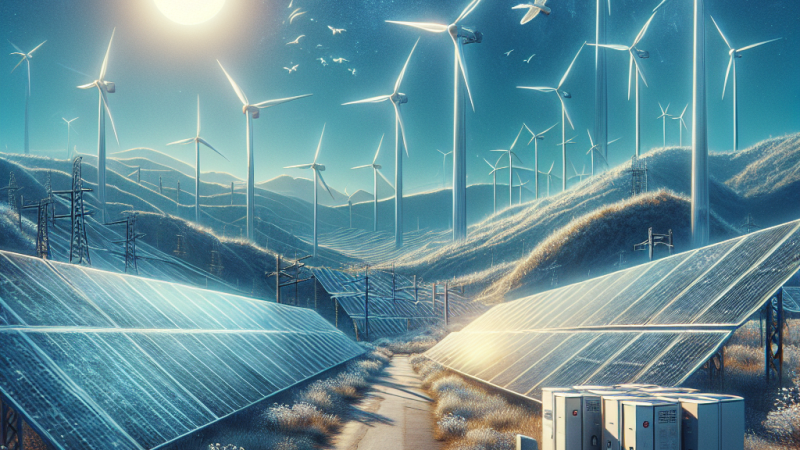
- Photovoltaic (PV) Systems: Technology that converts sunlight directly into electricity using solar cells.
- Wind Turbines: Devices that convert the kinetic energy of wind into mechanical power, which can then be converted into electricity.
- Microgrids: Localized grids that can operate independently or in conjunction with the main electrical grid, often incorporating renewable energy sources.
- Energy Storage: Technologies such as batteries that store energy for later use, crucial for managing the intermittent nature of renewable energy sources.
Historical Development
The journey of renewable energy in remote areas has been marked by significant milestones and contributions from various pioneers in the field. The use of renewable energy dates back to ancient civilizations, which harnessed wind and water power for various applications. However, the modern era of renewable energy began in the late 19th and early 20th centuries.
Key Milestones
- 1887: The first wind turbine used to generate electricity was built by Professor James Blyth in Scotland.
- 1954: Bell Labs developed the first practical photovoltaic cell, marking a significant advancement in solar energy technology.
- 1970s: The oil crisis spurred interest in alternative energy sources, leading to increased research and development in renewable energy technologies.
- 2000s: The advent of advanced materials and technologies led to significant improvements in the efficiency and cost-effectiveness of renewable energy systems.
Applications
Renewable energy technologies have found applications in various industries and fields, particularly in remote areas where traditional energy infrastructure is often absent or unreliable.
Case Studies
Rural Electrification
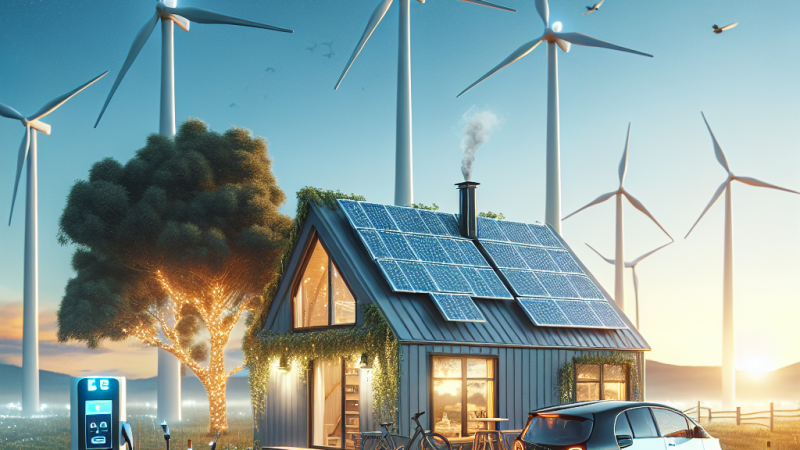
In many developing countries, renewable energy systems such as solar PV and wind turbines have been deployed to provide electricity to rural communities. For instance, the Solar Home System (SHS) program in Bangladesh has successfully installed over 4 million solar home systems, providing electricity to millions of people in remote areas.
Telecommunications
Remote telecommunication towers often rely on renewable energy sources to ensure continuous operation. Solar panels and wind turbines are commonly used to power these towers, reducing the reliance on diesel generators and lowering operational costs.
Disaster Relief
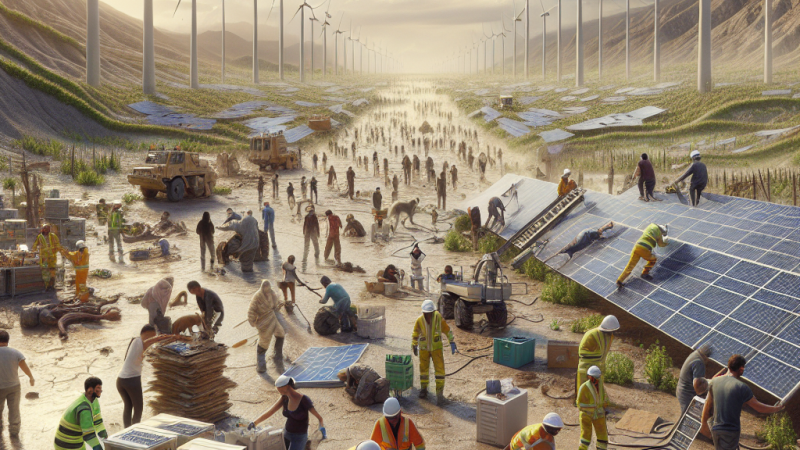
In disaster-stricken areas, renewable energy systems can provide a quick and reliable source of power. Portable solar generators and microgrids have been used in various disaster relief efforts to provide essential services such as lighting, communication, and medical care.
Advanced Topics
The field of renewable energy in remote areas is continually evolving, with ongoing research and innovations driving advancements in technology and application.
Recent Research and Innovations
- Hybrid Systems: Combining multiple renewable energy sources, such as solar and wind, with energy storage systems to create more reliable and efficient power solutions.
- Advanced Energy Storage: Development of high-capacity batteries and other storage technologies to address the intermittent nature of renewable energy sources.
- Smart Grids: Integration of advanced communication and control technologies to optimize the operation of renewable energy systems and improve grid reliability.
- Floating Solar Farms: Deployment of solar panels on bodies of water to maximize space utilization and improve energy generation efficiency.
Challenges and Considerations
While renewable energy offers numerous benefits, its implementation in remote areas is not without challenges. Addressing these challenges is crucial for the successful deployment and operation of renewable energy systems.
Challenges
- Intermittency: Renewable energy sources such as solar and wind are intermittent, requiring effective energy storage solutions to ensure a reliable power supply.
- High Initial Costs: The initial investment required for renewable energy systems can be high, posing a barrier to adoption in remote areas with limited financial resources.
- Technical Expertise: The installation and maintenance of renewable energy systems require specialized knowledge and skills, which may be lacking in remote areas.
- Infrastructure: The lack of existing infrastructure in remote areas can complicate the deployment of renewable energy systems.
Potential Solutions
- Government Incentives: Providing financial incentives and subsidies to reduce the initial costs of renewable energy systems.
- Capacity Building: Training local communities and technicians to develop the necessary skills for the installation and maintenance of renewable energy systems.
- Innovative Financing: Exploring alternative financing models such as microfinancing and community-based funding to support renewable energy projects.
- Research and Development: Investing in R&D to develop more efficient and cost-effective renewable energy technologies.
Conclusion
Renewable energy in remote areas represents a vital frontier in the field of engineering, offering sustainable and reliable solutions to energy challenges. From its historical development to its practical applications and advanced innovations, renewable energy has the potential to transform remote communities and contribute to global sustainability goals. However, addressing the associated challenges and considerations is crucial for the successful deployment and operation of renewable energy systems. As research and development continue to advance, the future of renewable energy in remote areas looks promising, with the potential to bring about significant positive change in the lives of millions of people worldwide.