The Role of Piping Design in Building Safer Industrial Facilities
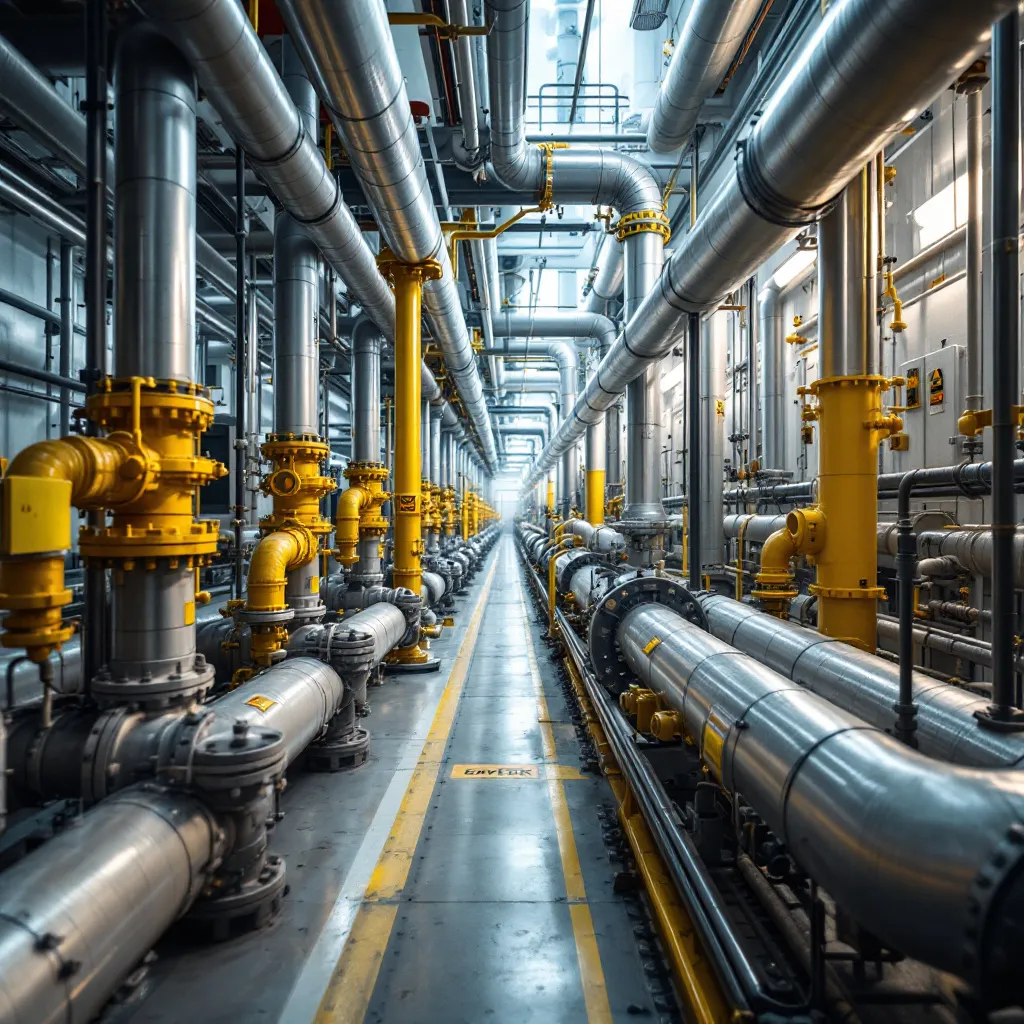 Behind every industrial facility is the work of engineers who design, test, and implement the systems that keep operations safe. Piping design is not just about connecting valves and fittings — it is a specialized branch of engineering that draws on mechanical, civil, and chemical engineering principles. By applying fluid dynamics, material science, and safety standards, engineers transform complex requirements into systems that can withstand high pressures, extreme temperatures, and corrosive environments. Understanding this engineering foundation highlights why design decisions directly affect the safety and efficiency of modern industry.
Industrial facilities depend on networks of pipes that carry everything from water and steam to hazardous chemicals. These systems operate under extreme pressure, and when they fail, people will get injured. Piping design prevents these injuries while keeping operations running smoothly.
Every manufacturing plant, refinery, and chemical facility relies on piping systems to function. Poor design decisions create weak points that can lead to leaks, explosions, or toxic releases. Getting piping design right from the start protects workers, saves money, and keeps facilities compliant with safety regulations.
Understanding the Importance of Piping Design
Piping systems move the materials that keep industrial operations running. Water cools equipment, steam powers turbines, and chemicals flow between processing units. These materials often travel under high pressure and extreme temperature through networks that span entire facilities.
Design flaws create serious problems. Undersized pipes cause pressure buildup. Wrong materials lead to corrosion and failure. Poor routing makes maintenance dangerous and expensive. Each mistake multiplies risk throughout the system.
Safety regulations exist for good reasons. ASME codes and API standards require specific design approaches because engineers have learned from past failures. Compliance isn’t just about avoiding fines – it is about preventing the kind of accidents that shut down operations and harm people.
Key Safety Considerations in Piping Design
 Material selection drives safety performance. Engineers must match materials to the fluids they’ll carry and the conditions they’ll face. Stainless steel resists corrosion but costs more. Carbon steel works well in many applications but fails quickly in acidic environments. Each choice involves trade-offs between cost, performance, and safety. Essential design choices that impact the safety of piping systems:
- Pressure ratings that account for system surges and operational variations
- Wall thickness calculations that consider erosion and corrosion over time
- Expansion joint placement to handle thermal cycling without stress cracking
- Support spacing that prevents sagging and vibration damage
Layout planning prevents accidents before they happen. Designers route pipes away from walkways where possible and provide clear access for maintenance crews. Hey position critical valves where operators can reach them safely during emergencies.
Engineering Education and Career Pathways in Piping Design
For students and young professionals exploring engineering, piping design represents a unique career path at the intersection of theory and practice. Mechanical engineers often specialize in piping and pressure vessel design, while chemical engineers focus on process safety and fluid transport. Civil and structural engineers contribute by ensuring proper support, layout, and integration with building frameworks.
-
Coursework & Skills: Fluid mechanics, thermodynamics, materials science, and CAD/CAE software training.
-
Certifications & Standards: Familiarity with ASME, API, and ISO codes is essential for professional practice.
-
Career Applications: Piping design engineers work in refineries, power plants, water treatment facilities, and emerging industries like renewable energy and hydrogen production.
By positioning piping design as a formal engineering discipline, students and professionals can see its role in protecting both people and the environment.
Engineering Innovations Enhancing Safety
 Computer modeling shows engineers exactly how their designs will behave before pipefitting begins. Computational fluid dynamics reveals pressure drops, flow patterns, and turbulence that could cause problems. Finite element analysis identifies concentrations that traditional calculations miss.
Sensors embedded in piping systems provide constant monitoring. Pressure transmitters detect dangerous spikes. Temperature sensors catch overheating before damage occurs. Vibration sensors identify developing problems in pumps and compressors connected to the piping network.
New materials offer better performance than traditional options. Advanced polymers resist chemicals that destroy metal pipes. Composite materials combine strength with corrosion resistance. These innovations often cost more upfront but deliver better safety and longer service life.
Emerging Engineering Frontiers in Piping Systems
The engineering profession continues to evolve piping design with sustainability and innovation in mind:
-
Green Engineering: Engineers are now developing piping solutions for carbon capture systems, hydrogen pipelines, and geothermal plants.
-
Digital Twins: Virtual replicas of piping networks allow engineers to simulate stress, wear, and environmental impact across the full life cycle.
-
Interdisciplinary Collaboration: Piping design increasingly requires cross-functional teamwork among safety engineers, environmental engineers, and data scientists.
These frontiers show how piping design extends beyond traditional industry, shaping the infrastructure needed for a safer and more sustainable future.
Building Tomorrow’s Safer Industrial Landscape
Good piping design protects people and preserves investments. Facilities with well-designed piping systems run more reliably, need less maintenance, and create safer work environments. The money spent on proper design pays back through reduced downtime and fewer accidents. Engineers entering this field must prioritize safety in every decision. Each pipe specification and material choice affects real people working in real facilities.
Conclusion: Engineering Safety into Every Pipe
Piping design demonstrates how deeply engineering shapes the safety of our world. Every calculation, material choice, and layout decision reflects the responsibility engineers carry for human lives and environmental protection. For students entering engineering and professionals refining their expertise, piping systems provide a clear example of how applied science directly prevents accidents and builds trust in industry. At its core, this is what engineering is all about: using knowledge and innovation to create systems that keep society running — safely, reliably, and sustainably.