Hydroelectric Power Plants
Introduction
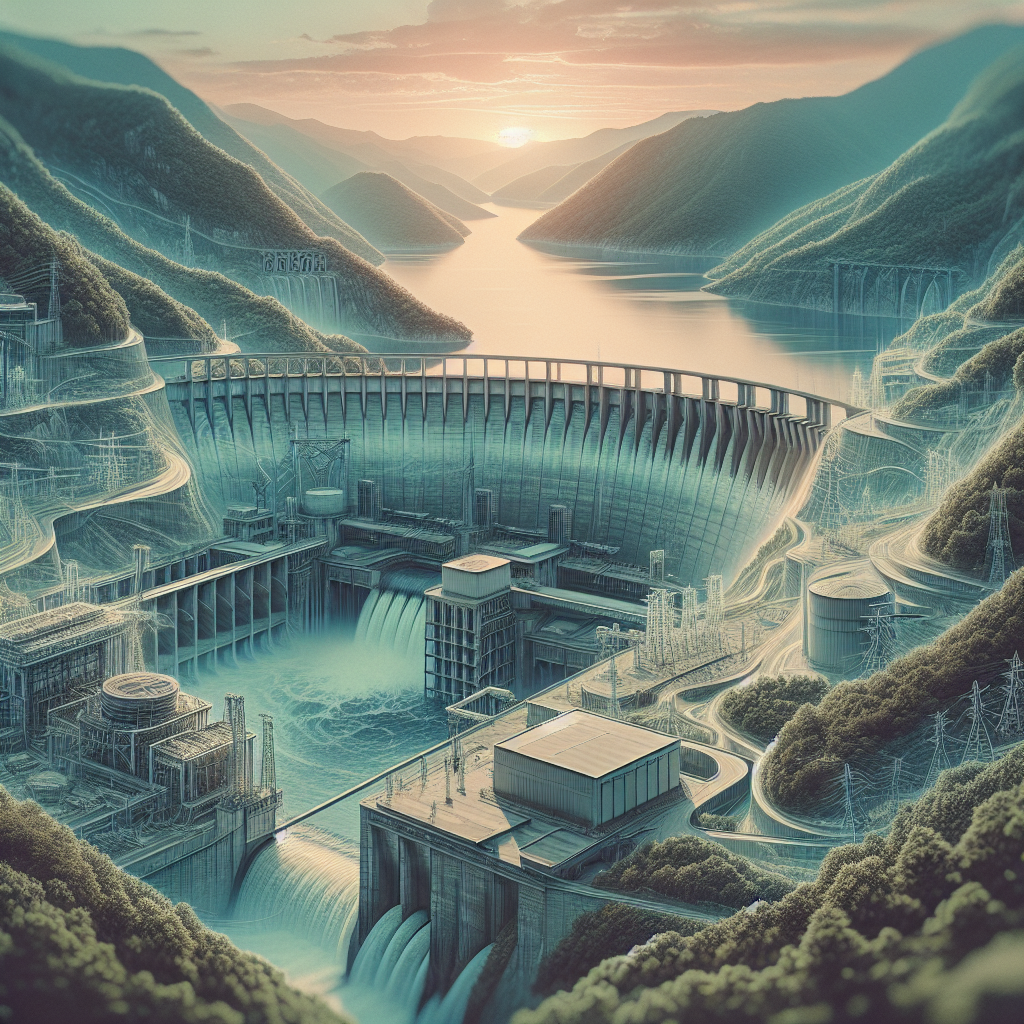
Hydroelectric power plants are a cornerstone of renewable energy engineering, harnessing the kinetic energy of flowing water to generate electricity. This form of energy production is not only sustainable but also highly efficient, making it a critical component in the global transition towards cleaner energy sources. The importance of hydroelectric power plants in engineering cannot be overstated, as they offer a reliable and consistent energy supply, contribute to grid stability, and have relatively low operational costs once established. This article delves into the various aspects of hydroelectric power plants, from their fundamental principles to advanced topics and challenges, providing a comprehensive overview of their role in renewable energy engineering.
Fundamentals
Basic Principles
Hydroelectric power plants operate on the principle of converting the potential energy of stored water into mechanical energy, which is then transformed into electrical energy. The process involves several key components:
- Reservoir: A large body of stored water, usually created by damming a river.
- Dam: A structure that controls the flow of water and creates a height difference, or head, which is essential for generating energy.
- Penstock: A pipeline that directs water from the reservoir to the turbines.
- Turbine: A device that converts the kinetic energy of flowing water into mechanical energy.
- Generator: A machine that converts mechanical energy from the turbine into electrical energy.
- Transformer: A device that increases the voltage of the generated electricity for transmission over long distances.
Key Terms
- Head: The height difference between the water source and the turbine, which determines the potential energy available for conversion.
- Flow Rate: The volume of water passing through the turbine per unit of time, affecting the amount of energy generated.
- Efficiency: The ratio of useful electrical energy produced to the total energy available from the water flow.
Historical Development
The concept of using water to generate power dates back to ancient civilizations, where water wheels were employed for mechanical tasks such as grinding grain. However, the modern era of hydroelectric power began in the late 19th century. Key milestones include:
- 1882: The world’s first hydroelectric power plant, the Appleton Edison Light Company, was established in Appleton, Wisconsin, USA.
- 1936: The Hoover Dam, one of the largest and most iconic hydroelectric projects, was completed in the USA, significantly advancing the field.
- 1955: The Itaipu Dam, located on the border between Brazil and Paraguay, became operational, eventually becoming one of the largest hydroelectric power plants in the world.
Notable figures in the development of hydroelectric power include Nikola Tesla, who contributed to the design of early hydroelectric systems, and Lester Allan Pelton, who invented the Pelton wheel, a highly efficient water turbine.
Applications
Hydroelectric power plants have a wide range of applications across various industries and fields. Some notable examples include:
Electricity Generation
The primary application of hydroelectric power plants is the generation of electricity. Countries like Norway and Canada rely heavily on hydroelectric power for their energy needs, with hydroelectricity accounting for a significant portion of their total electricity production.
Grid Stability
Hydroelectric power plants can quickly adjust their output to match demand, making them valuable for maintaining grid stability. This capability is particularly important in regions with a high penetration of intermittent renewable energy sources like wind and solar power.
Water Management
Many hydroelectric projects also serve as water management systems, providing flood control, irrigation, and water supply for agricultural and urban areas. The multipurpose nature of these projects enhances their overall value to society.
Case Study: Three Gorges Dam
The Three Gorges Dam in China is the world’s largest hydroelectric power plant by installed capacity. It generates approximately 22,500 megawatts of electricity, providing power to millions of homes and industries. Additionally, the dam plays a crucial role in flood control and river navigation, demonstrating the multifaceted benefits of large-scale hydroelectric projects.
Advanced Topics
Pumped Storage Hydropower
Pumped storage hydropower (PSH) is an advanced technique used to store energy. During periods of low electricity demand, excess energy is used to pump water from a lower reservoir to an upper reservoir. During peak demand, the stored water is released back to the lower reservoir, generating electricity. PSH systems act as large-scale batteries, providing grid stability and energy storage solutions.
Small and Micro Hydropower
Recent innovations have focused on small and micro hydropower systems, which are suitable for remote or off-grid locations. These systems have lower environmental impacts and can be deployed in smaller rivers or streams, making them accessible to a wider range of communities.
Environmental Impact Mitigation
Advancements in turbine design and fish-friendly technologies aim to reduce the environmental impact of hydroelectric power plants. Research is ongoing to develop turbines that minimize harm to aquatic life and improve the overall sustainability of hydroelectric projects.
Challenges and Considerations
Environmental Concerns
One of the primary challenges associated with hydroelectric power plants is their environmental impact. Large dams can disrupt local ecosystems, affect fish migration, and alter water quality. Mitigating these impacts requires careful planning and the implementation of environmentally friendly technologies.
Social and Economic Issues
The construction of large hydroelectric projects often involves the displacement of communities and changes to local economies. Ensuring fair compensation and providing support for affected populations are critical considerations in the planning process.
Climate Change
Climate change poses a significant challenge to hydroelectric power plants, as changes in precipitation patterns and water availability can affect their reliability and efficiency. Adapting to these changes requires robust water management strategies and the integration of other renewable energy sources.
Potential Solutions
- Environmental Impact Assessments: Conducting thorough assessments to identify and mitigate potential environmental impacts.
- Community Engagement: Involving local communities in the planning process to address social and economic concerns.
- Integrated Water Resource Management: Implementing strategies to manage water resources sustainably in the face of climate change.
Conclusion
Hydroelectric power plants play a vital role in the field of renewable energy engineering, offering a reliable and efficient source of electricity. From their historical development to modern applications and advanced techniques, hydroelectric power continues to evolve, addressing challenges and contributing to a sustainable energy future. As the world seeks to reduce its reliance on fossil fuels, the importance of hydroelectric power plants in achieving global energy goals cannot be overstated. By embracing innovation and addressing environmental and social considerations, hydroelectric power will remain a cornerstone of renewable energy engineering for generations to come.