Renewable Energy in Microgrids
Introduction
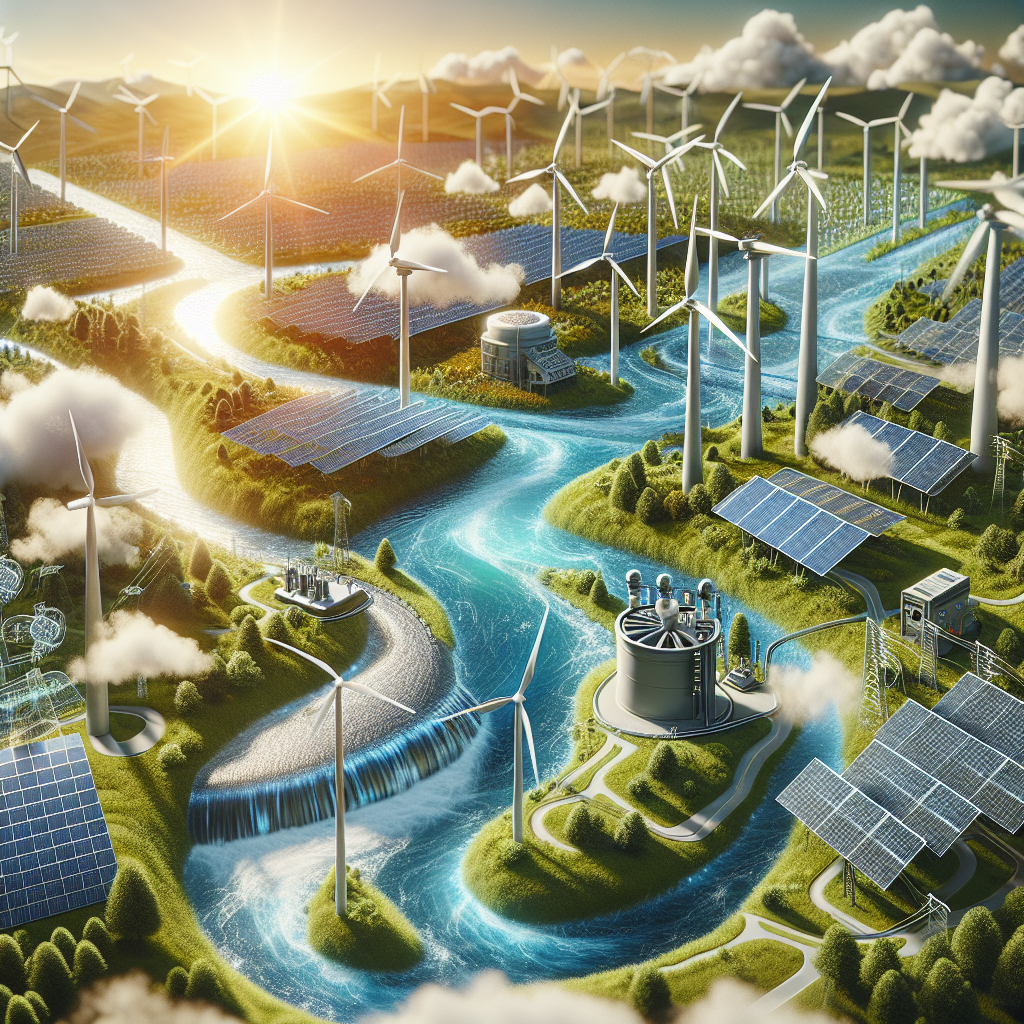
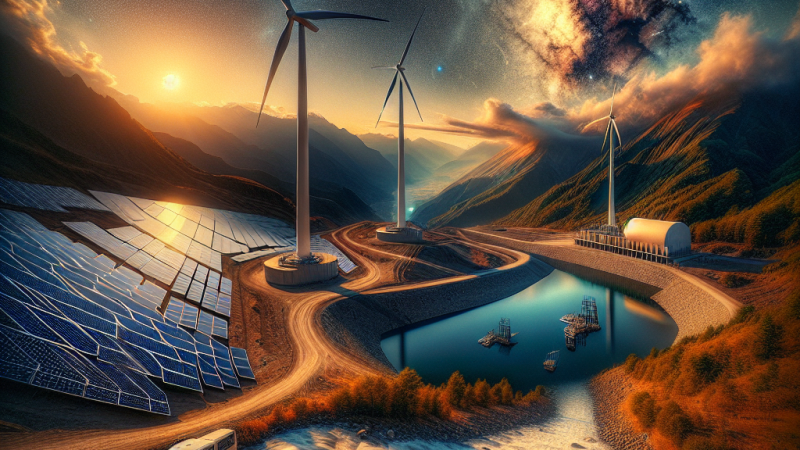
Renewable energy in microgrids represents a transformative approach in the field of engineering, particularly in the realm of sustainable energy solutions. As the world grapples with the dual challenges of climate change and energy security, the integration of renewable energy sources into microgrids offers a promising pathway to a more resilient and environmentally friendly energy infrastructure. This article delves into the importance and relevance of renewable energy in microgrids, exploring its fundamental principles, historical development, practical applications, advanced topics, challenges, and future prospects.
Fundamentals
Basic Principles and Concepts
A microgrid is a localized group of electricity sources and loads that can operate independently from the traditional grid. It can function autonomously or in conjunction with the main grid, providing enhanced reliability and resilience. The integration of renewable energy sources such as solar, wind, and biomass into microgrids is a key aspect of modern energy systems.
Key Terms
- Distributed Energy Resources (DERs): Small-scale units of local generation connected to the grid at the distribution level.
- Energy Storage Systems (ESS): Technologies that store energy for later use, crucial for balancing supply and demand in microgrids.
- Inverters: Devices that convert direct current (DC) from renewable sources to alternating current (AC) for use in the grid.
- Island Mode: The ability of a microgrid to operate independently from the main grid.
Historical Development
The concept of microgrids dates back to the early 20th century, but their modern incarnation began to take shape in the late 20th and early 21st centuries. Key milestones include:
- 1970s: The oil crisis spurred interest in alternative energy sources, laying the groundwork for renewable energy research.
- 1990s: Advances in solar and wind technologies made renewable energy more viable for integration into microgrids.
- 2000s: The development of smart grid technologies and energy storage systems enhanced the functionality and reliability of microgrids.
- 2010s: Increased focus on climate change and energy resilience led to significant investments in microgrid projects worldwide.
Notable figures in the field include Thomas Edison, who pioneered early microgrid concepts, and more recently, researchers like Dr. Robert Lasseter, who has made significant contributions to the development of modern microgrids.
Applications
Industrial Applications
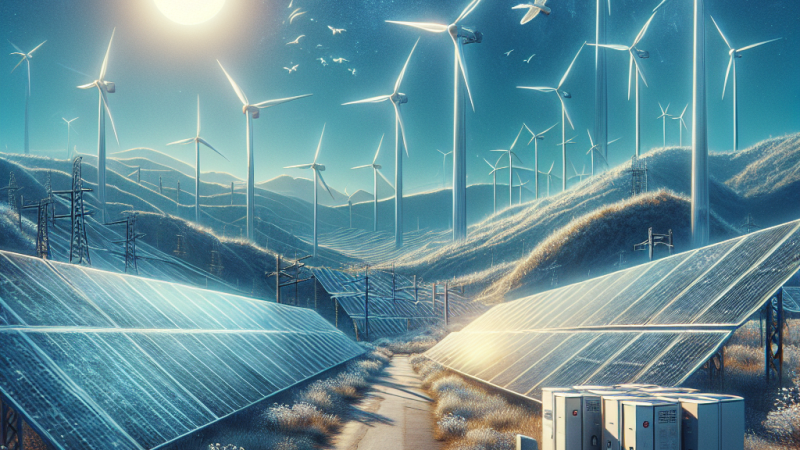
Microgrids are increasingly being deployed in industrial settings to enhance energy reliability and reduce costs. For example, the Stone Edge Farm Microgrid in California integrates solar panels, wind turbines, and energy storage to provide a sustainable energy solution for agricultural operations.
Commercial Applications
Commercial buildings and campuses are adopting microgrids to ensure uninterrupted power supply and improve energy efficiency. The Brooklyn Microgrid in New York is a notable example, where local businesses and residents trade solar energy through a blockchain-based platform.
Residential Applications
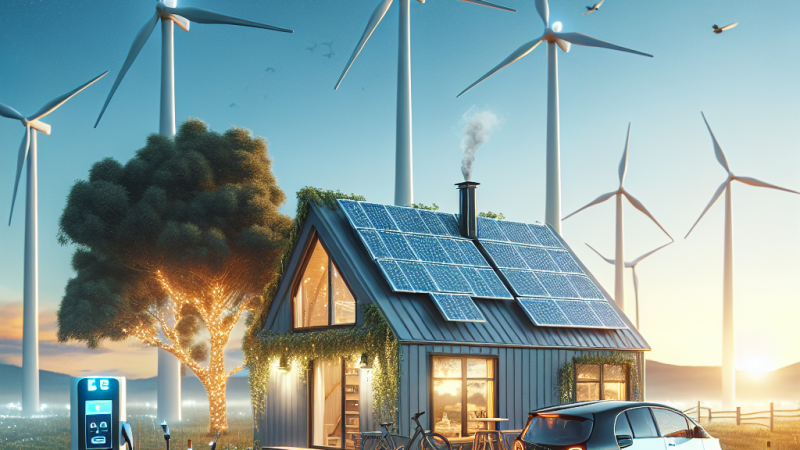
In residential areas, microgrids offer a reliable and sustainable energy solution, particularly in remote or disaster-prone regions. The Sendai Microgrid in Japan demonstrated resilience during the 2011 earthquake and tsunami, maintaining power supply when the main grid failed.
Military Applications
Military bases are increasingly using microgrids to enhance energy security and operational efficiency. The Fort Carson Microgrid in Colorado integrates solar power and energy storage to provide a reliable energy supply for critical operations.
Advanced Topics
Recent Research and Innovations
Recent research in renewable energy microgrids focuses on enhancing efficiency, reliability, and integration with the main grid. Innovations include:
- Advanced Energy Management Systems (EMS): Utilizing artificial intelligence and machine learning to optimize energy distribution and consumption.
- Peer-to-Peer Energy Trading: Enabling decentralized energy markets where consumers can trade excess energy directly with each other.
- Hybrid Microgrids: Combining multiple renewable sources and energy storage systems to enhance reliability and flexibility.
Future Trends
The future of renewable energy in microgrids looks promising, with trends pointing towards increased adoption of smart technologies, greater integration with electric vehicles, and the development of more resilient and adaptive energy systems. The concept of virtual power plants, where multiple microgrids are interconnected and managed as a single entity, is also gaining traction.
Challenges and Considerations
Technical Challenges
Integrating renewable energy sources into microgrids presents several technical challenges, including:
- Intermittency: Renewable sources like solar and wind are variable, requiring advanced energy storage and management systems to ensure a stable supply.
- Grid Integration: Ensuring seamless integration with the main grid, particularly during transitions between grid-connected and island modes.
- Cybersecurity: Protecting microgrid systems from cyber threats and ensuring data integrity.
Economic Considerations
The initial cost of setting up a microgrid can be high, posing a barrier to widespread adoption. However, the long-term benefits in terms of energy savings and resilience often outweigh the initial investment. Financial incentives, subsidies, and innovative financing models are crucial to promoting microgrid adoption.
Regulatory and Policy Challenges
Regulatory frameworks and policies play a significant role in the deployment of microgrids. Challenges include:
- Standardization: Developing standardized protocols and regulations to ensure interoperability and safety.
- Incentives: Creating policies that incentivize the adoption of renewable energy microgrids.
- Permitting: Streamlining the permitting process to reduce delays and costs.
Conclusion
Renewable energy in microgrids represents a critical advancement in the field of engineering, offering a sustainable and resilient solution to modern energy challenges. By integrating renewable sources with advanced energy management systems, microgrids can provide reliable power, reduce carbon emissions, and enhance energy security. Despite the challenges, ongoing research, innovation, and supportive policies are paving the way for broader adoption and implementation. As we move towards a more sustainable future, the role of renewable energy in microgrids will undoubtedly become increasingly significant, driving progress in the field of Renewable Energy in Engineering.