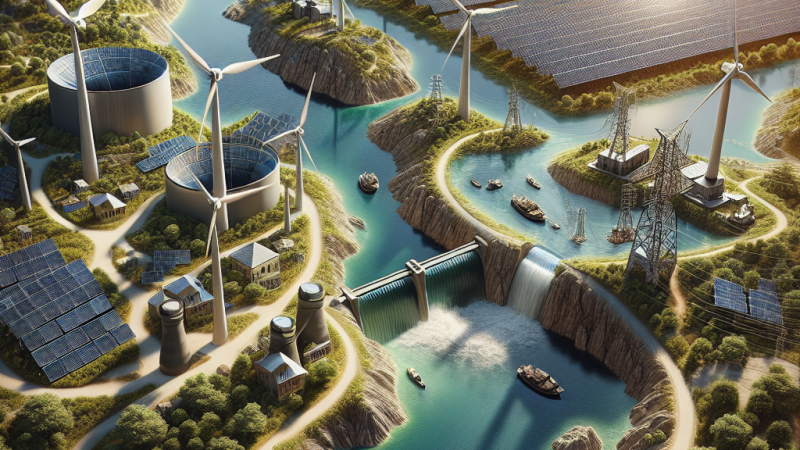
Renewable Energy in Disaster Relief
Introduction

In the wake of natural disasters, the need for reliable and sustainable energy sources becomes paramount. Traditional energy infrastructures are often compromised, leaving affected areas without power for extended periods. This is where renewable energy in disaster relief comes into play. The integration of renewable energy technologies in disaster response not only provides immediate relief but also contributes to long-term resilience and sustainability. This article delves into the importance, principles, historical development, applications, advanced topics, challenges, and future trends of renewable energy in disaster relief within the field of engineering.
Fundamentals
Basic Principles and Concepts
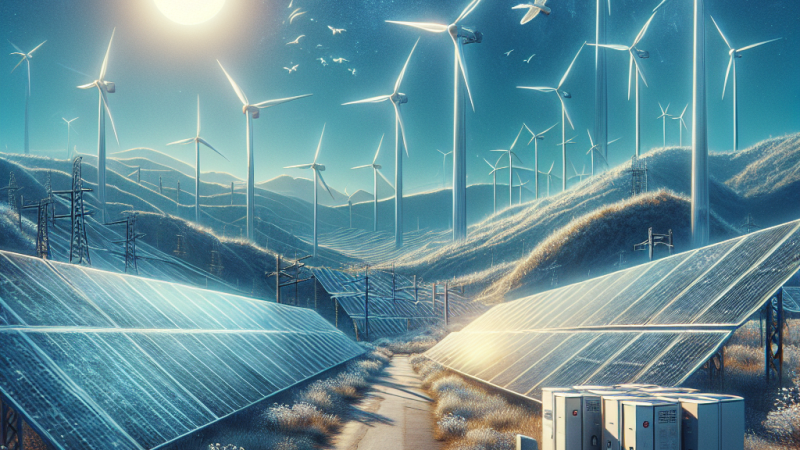
Renewable energy refers to energy derived from natural sources that are replenished on a human timescale, such as solar, wind, hydro, and geothermal energy. In the context of disaster relief, renewable energy systems are deployed to provide immediate power solutions when conventional energy infrastructures fail.
Key Terms
- Photovoltaic (PV) Systems: Solar power systems that convert sunlight directly into electricity using semiconductor materials.
- Microgrids: Localized grids that can operate independently from the traditional grid, often incorporating renewable energy sources.
- Energy Storage Systems (ESS): Technologies such as batteries that store energy for later use, crucial for ensuring a continuous power supply.
- Hybrid Systems: Energy systems that combine multiple sources of renewable energy to enhance reliability and efficiency.
Historical Development
Early Innovations
The concept of using renewable energy for disaster relief is not new. Early innovations can be traced back to the 1970s when solar panels were first used in remote areas to provide basic lighting and communication services. However, these early systems were limited in capacity and efficiency.
Key Milestones
- 2004 Indian Ocean Tsunami: Marked a significant turning point where solar-powered water purification systems were deployed to provide clean drinking water.
- 2010 Haiti Earthquake: Solar-powered medical facilities and communication systems were crucial in the immediate aftermath.
- 2017 Hurricane Maria: Highlighted the importance of microgrids and energy storage systems in restoring power to Puerto Rico.
Notable Figures
- Amory Lovins: A pioneer in the field of renewable energy, advocating for decentralized energy systems.
- Elon Musk: Through Tesla, has significantly contributed to the development of energy storage solutions used in disaster relief.
Applications
Emergency Shelters
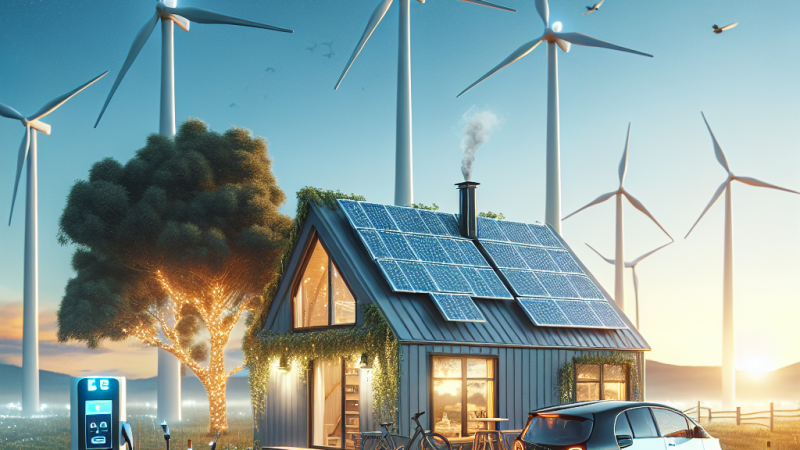
Renewable energy systems are increasingly being integrated into emergency shelters. Solar panels and wind turbines provide essential power for lighting, heating, and communication. For instance, after the 2015 Nepal earthquake, solar-powered shelters were set up to provide immediate relief to affected communities.
Medical Facilities
In disaster-stricken areas, medical facilities often face power shortages. Renewable energy systems ensure a continuous power supply for critical medical equipment. During the Ebola outbreak in West Africa, solar-powered clinics played a crucial role in providing uninterrupted medical care.
Water Purification
Access to clean water is a major challenge in disaster scenarios. Solar-powered water purification systems have been deployed in various disaster zones, such as after the 2004 Indian Ocean Tsunami, to provide safe drinking water.
Communication Systems
Effective communication is vital for coordinating disaster relief efforts. Renewable energy-powered communication systems ensure that rescue teams and affected communities remain connected. For example, solar-powered communication towers were used extensively in the aftermath of Hurricane Katrina.
Advanced Topics
Microgrids and Hybrid Systems
Microgrids and hybrid systems represent the cutting edge of renewable energy in disaster relief. These systems can operate independently from the main grid, providing a reliable power source in isolated or damaged areas. Recent advancements in microgrid technology have made it possible to integrate various renewable energy sources, enhancing system resilience and efficiency.
Energy Storage Innovations
Energy storage is a critical component of renewable energy systems in disaster relief. Recent innovations in battery technology, such as Tesla’s Powerwall, have significantly improved the capacity and reliability of energy storage systems. These advancements ensure that renewable energy can be stored and used when needed, even during periods of low sunlight or wind.
Smart Grids and IoT
The integration of smart grids and the Internet of Things (IoT) in renewable energy systems is another advanced topic. Smart grids use digital technology to monitor and manage energy flow, optimizing the use of renewable energy sources. IoT devices can provide real-time data on energy consumption and system performance, enabling more efficient disaster response.
Challenges and Considerations
Technical Challenges
One of the primary challenges in deploying renewable energy systems for disaster relief is the technical complexity involved. Setting up solar panels, wind turbines, and energy storage systems requires specialized knowledge and skills. Additionally, these systems must be robust enough to withstand harsh environmental conditions.
Logistical Challenges
Logistics is another significant challenge. Transporting renewable energy equipment to disaster-stricken areas can be difficult, especially when infrastructure is damaged. Ensuring that the necessary components and personnel are available on-site is crucial for the successful deployment of these systems.
Cost Considerations
While the long-term benefits of renewable energy are well-documented, the initial costs can be prohibitive. Funding and resource allocation are critical considerations, particularly for developing countries that may lack the financial resources to invest in advanced renewable energy systems.
Potential Solutions
- Training and Capacity Building: Investing in training programs for local communities can help build the necessary skills for deploying and maintaining renewable energy systems.
- Public-Private Partnerships: Collaborations between governments, NGOs, and private companies can provide the financial and technical resources needed for large-scale deployments.
- Innovative Financing Models: Exploring new financing models, such as microfinancing and crowdfunding, can help overcome cost barriers.
Conclusion
Renewable energy in disaster relief is a critical and evolving field within engineering. The integration of renewable energy technologies not only provides immediate relief in disaster-stricken areas but also contributes to long-term resilience and sustainability. From early innovations to advanced microgrid systems, the field has seen significant advancements. However, challenges such as technical complexity, logistics, and cost considerations remain. Addressing these challenges through training, partnerships, and innovative financing models will be crucial for the future development of renewable energy in disaster relief. As we continue to face the increasing frequency and severity of natural disasters, the importance of renewable energy in disaster relief cannot be overstated.