Choosing the Right Industrial Sewing Machine – From a Mechanical Engineering Perspective
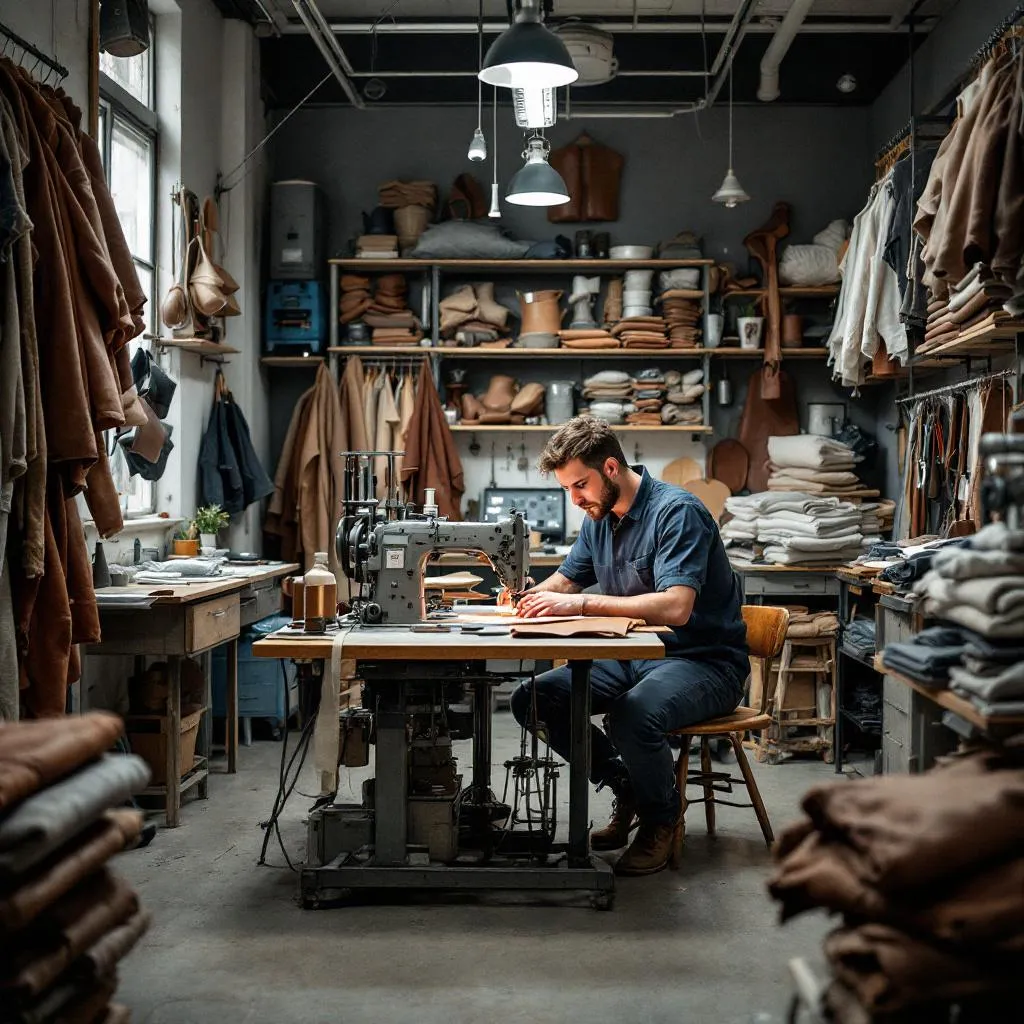 Industrial sewing machines sit at the intersection of mechanical engineering, materials engineering, and modern manufacturing. Their design involves precision mechanics, motor control systems, torque requirements for different materials, and long-term durability under continuous industrial use. For professionals working in fabrication, prototyping, textile engineering, or product design, understanding the engineering behind machine selection helps ensure reliability and performance.
With that in mind, the guide below offers a practical overview for choosing the right industrial sewing machine — valuable for makers, small manufacturers, and anyone working with engineered textile systems.
If you’re growing your workshop or taking your craft business to the next level, upgrading to an industrial sewing machine can make a huge difference. These machines offer the strength, stability, and reliability needed to handle demanding materials and long work hours. With so many options available today, it helps to understand what to look for when you start browsing listings for an industrial sewing machine for sale or researching the price of industrial sewing machine models.
Why Industrial Machines Are Worth Considering
A professional-grade machine gives you something a home unit rarely does: consistency. Whether you work with leather, canvas, denim, or upholstery textiles, the right equipment keeps your stitches clean and your workflow smooth. Many makers eventually discover that moving to a sturdy industrial setup saves time, frustration, and repair costs in the long run.
This is why people often explore sewing machine industrial models when they outgrow standard hobby equipment.
Where to Find Reliable Equipment
 There are plenty of online platforms offering industrial machines, but it’s often smart to work with a supplier who knows the equipment inside and out. One trusted source is Prizzi Sewing Machines Co. They provide guidance, machine setup help, and long-term support — all extremely valuable if you’re investing in your first industrial unit.
When searching online, terms such as industrial commercial sewing machines or local queries like “industrial sewing machines near me” can point you to shops with solid reputations and hands-on service.
Understanding Pricing Before You Buy
Before making a purchase, it helps to have a sense of what different machines typically cost. The industrial sewing machine price varies based on the type of work the machine is built for, the motor it uses, and the brand behind it.
Here’s a general idea of what you can expect:
- Basic straight-stitch units: around $500–$800
- Mid-level machines with servo motors: about $900–$1,500
- Specialty models (walking foot, zigzag, cylinder arm): $1,500 and up
These ranges help you compare options without getting overwhelmed.
How to Choose the Right Model for Your Work
Here are a few simple, human tips to keep in mind while shopping:
1. Match the machine to your materials
Heavy materials like leather or vinyl may require a walking foot. Lighter fabrics may only need a straight-stitch machine.
2. Pay attention to the motor
Servo motors offer quieter operation and better speed control, making them beginner-friendly and shop-friendly.
3. Don’t ignore after-purchase support
Reliable servicing and easy access to replacement parts matter more than most people expect. This is one reason many buyers turn to companies like Prizzi Sewing Machines Co. instead of taking a risk on unknown sellers.
Final Thoughts
Choosing the right industrial machine doesn’t need to feel complicated. With a little research and the help of a knowledgeable supplier, you can find equipment that supports your business for years to come. Whether you’re checking local stores, comparing online listings, or asking professionals for recommendations, focus on quality, durability, and long-term value.
Industrial sewing machines may appear simple, but they are engineered systems designed for precision, repeatability, and durability — all core principles in mechanical and manufacturing engineering. Whether selecting servo motors for better control, evaluating load performance for heavy materials, or assessing machine frame stiffness, the decision-making process resembles common engineering workflows.
For readers exploring textile engineering, product design, or small-scale manufacturing automation, understanding this equipment is a practical extension of engineering principles applied in real-world production environments.