Renewable Energy in Off-Grid Systems
Introduction

Renewable energy in off-grid systems represents a significant advancement in the field of engineering, particularly in the context of sustainable development and energy independence. Off-grid systems, which operate independently of the traditional electrical grid, are crucial for providing energy solutions in remote or underserved areas. The integration of renewable energy sources such as solar, wind, and hydro power into these systems not only reduces reliance on fossil fuels but also promotes environmental sustainability. This article delves into the importance, principles, historical development, applications, advanced topics, challenges, and future trends of renewable energy in off-grid systems.
Fundamentals
Basic Principles and Concepts
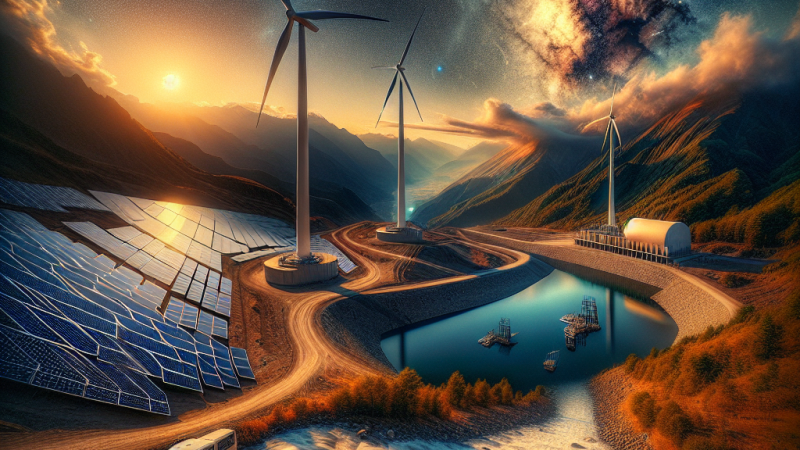
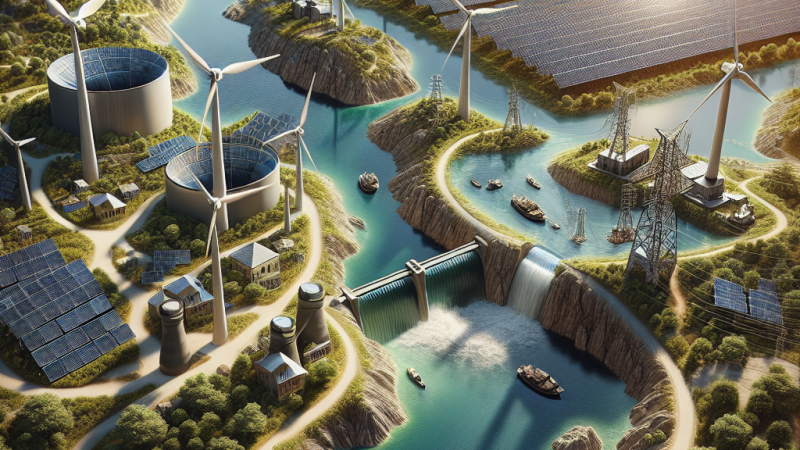
Off-grid systems are designed to operate autonomously, without connection to the main electrical grid. These systems typically include a combination of energy generation, storage, and management components. The primary renewable energy sources used in off-grid systems are:
- Solar Power: Utilizes photovoltaic (PV) panels to convert sunlight into electricity.
- Wind Power: Employs wind turbines to generate electricity from wind energy.
- Hydro Power: Uses the kinetic energy of flowing water to produce electricity.
Key terms and concepts related to renewable energy in off-grid systems include:
- Photovoltaic (PV) Cells: Semiconductor devices that convert sunlight directly into electricity.
- Inverters: Devices that convert direct current (DC) generated by renewable sources into alternating current (AC) for use in homes and businesses.
- Energy Storage: Systems, typically batteries, that store excess energy generated for use during periods of low generation.
- Microgrids: Small-scale power grids that can operate independently or in conjunction with the main grid.
Historical Development
The development of renewable energy in off-grid systems has a rich history marked by significant milestones and contributions from notable figures. The concept of harnessing renewable energy dates back centuries, but modern advancements began in the 20th century.
Key Milestones
- 1954: The first practical photovoltaic cell was developed by Bell Labs, marking the beginning of modern solar power technology.
- 1970s: The oil crisis spurred interest in alternative energy sources, leading to increased research and development in solar and wind technologies.
- 1980s: The first commercial wind farms were established, demonstrating the viability of wind power on a larger scale.
- 1990s: Advances in battery technology improved energy storage solutions, making off-grid systems more practical and reliable.
- 2000s: The rise of microgrids and smart grid technologies enhanced the efficiency and management of off-grid systems.
Notable Figures
- Albert Einstein: Awarded the Nobel Prize in Physics in 1921 for his discovery of the photoelectric effect, which is fundamental to photovoltaic technology.
- James Blyth: Built the first known wind turbine for electricity generation in 1887.
- Thomas Edison: Advocated for renewable energy sources, famously stating that “we are living in the midst of a great revolution in the use of electrical power.”
Applications
Renewable energy in off-grid systems has a wide range of practical applications across various industries and fields. These applications demonstrate the versatility and importance of off-grid renewable energy solutions.
Residential and Community Power
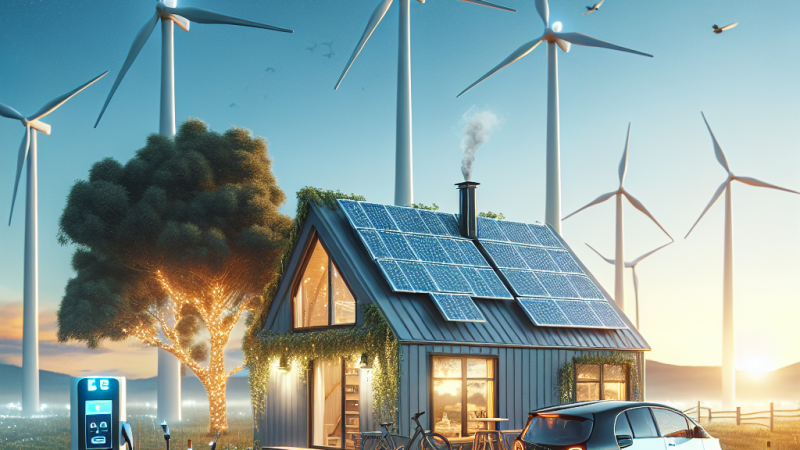
Off-grid systems are commonly used to provide electricity to remote homes and communities that are not connected to the main grid. For example, rural villages in developing countries often rely on solar home systems or community microgrids powered by renewable energy sources.
Telecommunications
Telecommunication towers and remote communication stations often use off-grid renewable energy systems to ensure reliable operation. Solar panels and wind turbines are frequently employed to power these critical infrastructures.
Disaster Relief
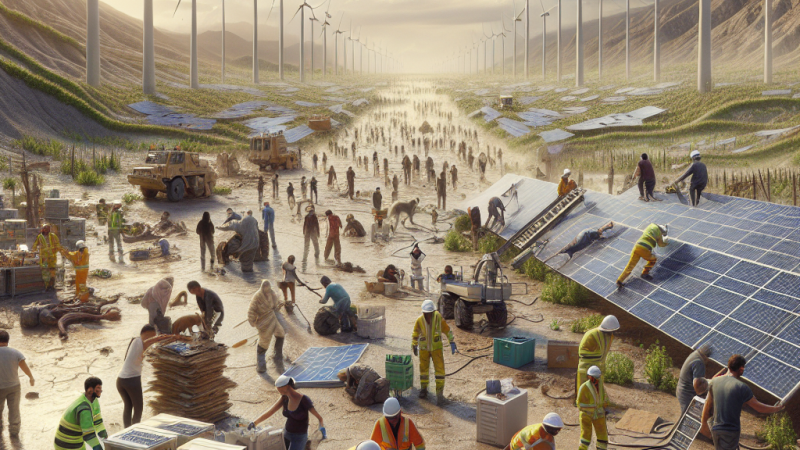
In the aftermath of natural disasters, off-grid renewable energy systems can provide essential power for emergency services, medical facilities, and temporary shelters. Portable solar generators and microgrids are particularly valuable in these situations.
Industrial Applications
Industries such as mining and agriculture use off-grid renewable energy systems to power operations in remote locations. For instance, solar-powered irrigation systems are used to pump water for crops in areas without access to the main grid.
Case Studies
- India’s Solar Microgrids: In rural India, solar microgrids have been deployed to provide reliable electricity to villages, improving quality of life and economic opportunities.
- Alaska’s Wind-Diesel Hybrid Systems: Remote communities in Alaska use wind-diesel hybrid systems to reduce reliance on expensive diesel fuel and harness local wind resources.
Advanced Topics
The field of renewable energy in off-grid systems is continually evolving, with ongoing research and innovations driving advancements. Some of the advanced topics in this area include:
Energy Management Systems (EMS)
Advanced EMS technologies optimize the generation, storage, and consumption of energy in off-grid systems. These systems use algorithms and real-time data to balance supply and demand, ensuring efficient operation.
Hybrid Systems
Hybrid systems combine multiple renewable energy sources, such as solar and wind, with energy storage and backup generators. These systems enhance reliability and provide a more consistent power supply.
Smart Grids and IoT Integration
The integration of smart grid technologies and the Internet of Things (IoT) allows for better monitoring, control, and automation of off-grid systems. Smart meters, sensors, and communication networks enable real-time data collection and analysis.
Recent Research and Innovations
- Advanced Battery Technologies: Research into new battery chemistries, such as solid-state batteries and flow batteries, aims to improve energy storage capacity and lifespan.
- Artificial Intelligence (AI): AI algorithms are being developed to optimize energy management and predict maintenance needs in off-grid systems.
- Floating Solar Farms: Innovations in floating solar technology allow for the deployment of solar panels on bodies of water, maximizing space utilization and cooling effects.
Challenges and Considerations
Despite the numerous benefits of renewable energy in off-grid systems, several challenges and considerations must be addressed to ensure their successful implementation and operation.
Technical Challenges
- Intermittency: Renewable energy sources such as solar and wind are intermittent, requiring effective energy storage and management solutions to ensure a stable power supply.
- Energy Storage: Current battery technologies have limitations in terms of capacity, lifespan, and cost. Ongoing research aims to develop more efficient and affordable storage solutions.
- System Integration: Integrating multiple renewable energy sources and managing their interactions can be complex, requiring advanced control systems and expertise.
Economic Considerations
- Initial Costs: The upfront costs of installing off-grid renewable energy systems can be high, although they often result in long-term savings.
- Financing and Incentives: Access to financing and government incentives can significantly impact the feasibility and adoption of off-grid systems.
Environmental and Social Considerations
- Environmental Impact: While renewable energy sources are generally environmentally friendly, the production and disposal of components such as batteries can have environmental impacts.
- Community Engagement: Successful implementation of off-grid systems often requires community involvement and education to ensure acceptance and proper maintenance.
Potential Solutions and Areas for Further Research
- Advanced Materials: Research into new materials for PV cells, batteries, and other components can improve efficiency and reduce environmental impact.
- Policy and Regulation: Developing supportive policies and regulations can encourage investment and innovation in off-grid renewable energy systems.
- Education and Training: Providing education and training for engineers, technicians, and communities can enhance the successful deployment and operation of off-grid systems.
Conclusion
Renewable energy in off-grid systems is a vital area of focus in the field of engineering, offering sustainable and reliable energy solutions for remote and underserved areas. By understanding the fundamentals, historical development, applications, advanced topics, challenges, and potential solutions, we can appreciate the importance and potential of these systems. As technology continues to advance and research progresses, off-grid renewable energy systems will play an increasingly significant role in achieving global energy sustainability and resilience.