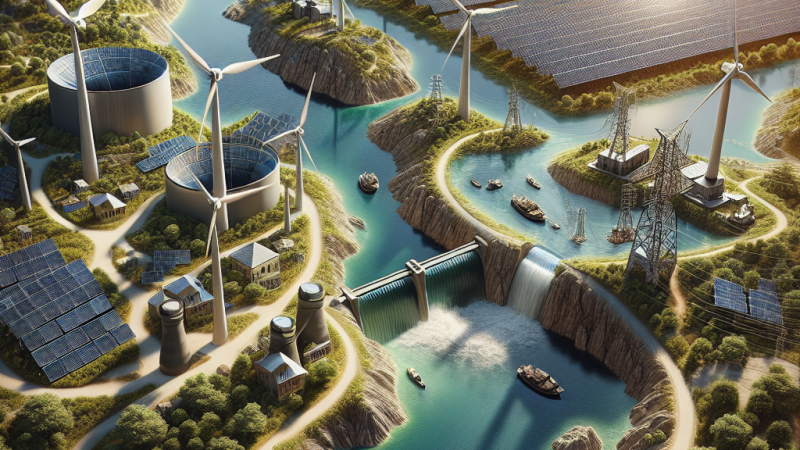
Renewable Energy and Climate Change
Introduction

Renewable energy and climate change are two interlinked topics that have gained significant attention in the field of engineering. As the world grapples with the adverse effects of climate change, the need for sustainable and clean energy sources has never been more critical. Renewable energy, derived from natural processes that are replenished constantly, offers a viable solution to mitigate the impacts of climate change. This article delves into the importance and relevance of renewable energy in combating climate change, exploring its fundamentals, historical development, applications, advanced topics, and the challenges and considerations associated with it.
Fundamentals
Definitions and Key Terms
Renewable Energy: Energy obtained from sources that are naturally replenished, such as solar, wind, hydro, geothermal, and biomass.
Climate Change: Long-term changes in temperature, precipitation, and other atmospheric conditions on Earth, primarily caused by human activities such as burning fossil fuels.
Greenhouse Gases (GHGs): Gases that trap heat in the atmosphere, contributing to global warming. Key GHGs include carbon dioxide (CO2), methane (CH4), and nitrous oxide (N2O).
Theories and Concepts
The fundamental principle behind renewable energy is the harnessing of natural processes to generate power. For instance, solar panels convert sunlight into electricity using photovoltaic cells, while wind turbines use the kinetic energy of wind to produce electrical power. These processes are inherently sustainable as they rely on resources that are not depleted over time.
Climate change theory revolves around the understanding that human activities, particularly the burning of fossil fuels, release large amounts of GHGs into the atmosphere. These gases trap heat, leading to a rise in global temperatures, melting ice caps, rising sea levels, and extreme weather events. Renewable energy sources produce little to no GHGs, making them essential in mitigating climate change.
Historical Development
Early Innovations
The use of renewable energy dates back centuries. Windmills and waterwheels were among the earliest forms of renewable energy technologies, used for grinding grain and pumping water. The development of solar energy can be traced back to the 19th century when French scientist Edmond Becquerel discovered the photovoltaic effect.
Modern Milestones
The 20th century saw significant advancements in renewable energy technologies. The oil crises of the 1970s spurred interest in alternative energy sources, leading to increased research and development. Key milestones include the establishment of the first commercial wind farm in New Hampshire in 1980 and the development of more efficient solar panels in the 1990s.
Notable Figures
Several individuals have made significant contributions to the field of renewable energy. For instance, Danish engineer Poul la Cour is considered a pioneer in wind energy, while American inventor Frank Shuman is known for his work on solar thermal energy. More recently, figures like Elon Musk have popularized renewable energy through innovations in solar power and electric vehicles.
Applications
Energy Generation
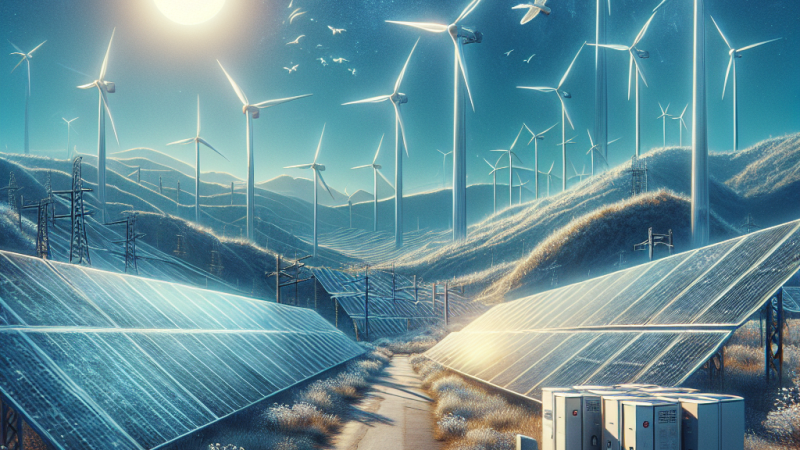
Renewable energy is primarily used for electricity generation. Solar power plants, wind farms, hydroelectric dams, and geothermal plants are some of the key installations that harness renewable resources to produce electricity. For example, the Gansu Wind Farm in China is one of the largest wind farms in the world, with a capacity of over 6,000 MW.
Transportation
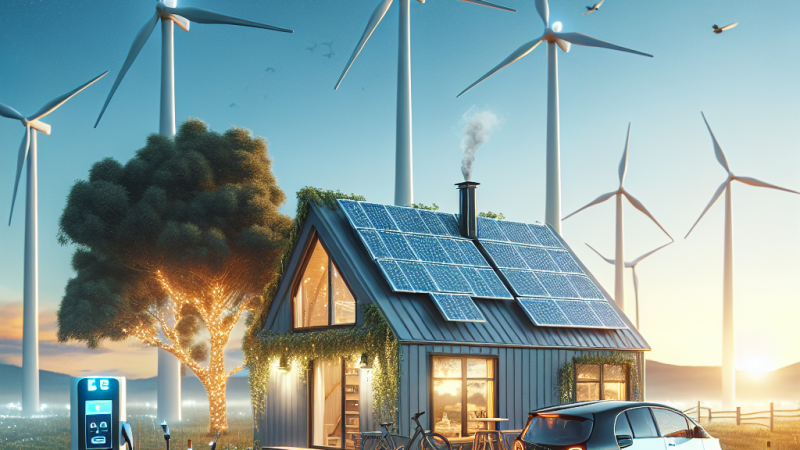
Renewable energy is also making inroads into the transportation sector. Electric vehicles (EVs) powered by renewable energy sources are becoming increasingly popular. Companies like Tesla are leading the charge in this area, offering EVs that can be charged using solar power, thereby reducing the carbon footprint associated with traditional gasoline-powered vehicles.
Industrial Applications
Industries are increasingly adopting renewable energy to power their operations. For instance, the use of biomass in the form of agricultural waste is being used to generate heat and electricity in various industrial processes. Additionally, solar panels and wind turbines are being installed in manufacturing plants to reduce reliance on fossil fuels.
Advanced Topics
Recent Research and Innovations
Recent research in renewable energy focuses on improving efficiency and reducing costs. Innovations such as perovskite solar cells, which offer higher efficiency at a lower cost, are gaining traction. Additionally, advancements in energy storage technologies, such as lithium-ion batteries and flow batteries, are addressing the intermittency issues associated with renewable energy sources.
Future Trends
The future of renewable energy looks promising, with several trends indicating continued growth and innovation. The integration of artificial intelligence (AI) and machine learning in renewable energy systems is expected to optimize energy production and distribution. Moreover, the development of smart grids will enhance the reliability and efficiency of renewable energy systems.
Challenges and Considerations
Intermittency and Reliability
One of the primary challenges associated with renewable energy is its intermittency. Solar and wind energy are dependent on weather conditions, making them less reliable compared to fossil fuels. Energy storage solutions and grid integration are essential to address this issue.
High Initial Costs
The initial costs of setting up renewable energy systems can be high. Although the long-term benefits and cost savings are significant, the upfront investment can be a barrier for widespread adoption. Government incentives and subsidies can play a crucial role in mitigating this challenge.
Environmental Impact
While renewable energy is generally considered environmentally friendly, it is not without its impacts. For instance, large-scale hydroelectric projects can disrupt local ecosystems, and the production of solar panels involves the use of hazardous materials. Sustainable practices and regulations are necessary to minimize these impacts.
Policy and Regulation
The adoption of renewable energy is heavily influenced by government policies and regulations. Supportive policies, such as tax incentives and renewable energy mandates, can accelerate the transition to clean energy. Conversely, lack of regulatory support can hinder progress.
Conclusion
Renewable energy is a cornerstone in the fight against climate change, offering sustainable and clean alternatives to fossil fuels. The field has evolved significantly over the years, with advancements in technology and increased adoption across various sectors. However, challenges such as intermittency, high initial costs, and environmental impacts need to be addressed to fully realize the potential of renewable energy. Continued research, innovation, and supportive policies are essential to overcome these challenges and pave the way for a sustainable future. The importance of renewable energy in engineering cannot be overstated, as it holds the key to mitigating climate change and ensuring a cleaner, greener planet for future generations.