Environmental Impact of Renewable Energy
Introduction
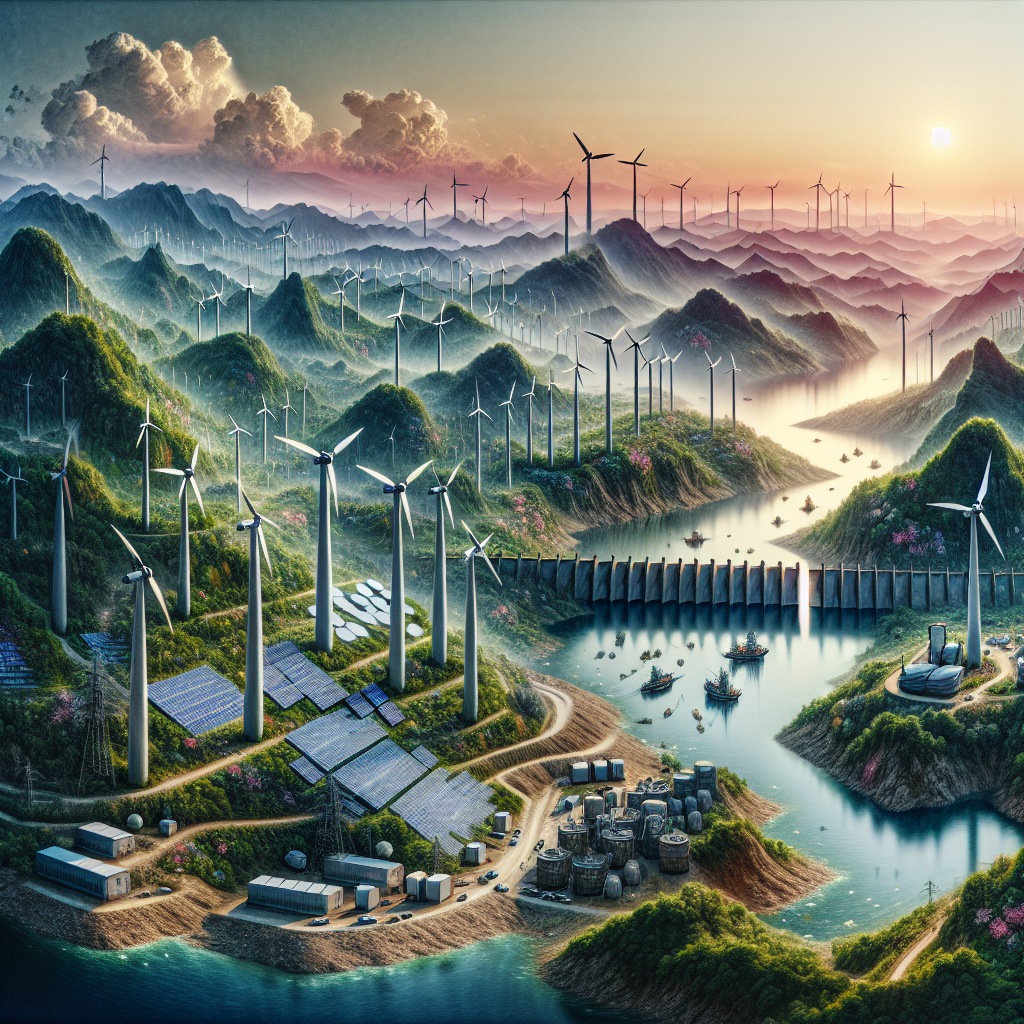
The transition to renewable energy sources is a critical component in the global effort to mitigate climate change and reduce environmental degradation. Renewable energy technologies, such as solar, wind, hydro, and geothermal, offer sustainable alternatives to fossil fuels, which are notorious for their adverse environmental impacts. In the field of engineering, understanding the environmental impact of renewable energy is essential for designing, implementing, and optimizing these technologies. This article delves into the environmental implications of renewable energy, exploring its fundamentals, historical development, applications, advanced topics, challenges, and future prospects.
Fundamentals
Basic Principles and Concepts
Renewable energy refers to energy derived from natural processes that are replenished at a faster rate than they are consumed. Key sources include solar, wind, hydro, geothermal, and biomass. These energy sources are considered sustainable because they do not deplete finite resources and generally have lower environmental impacts compared to fossil fuels.
Definitions and Key Terms
- Solar Energy: Energy harnessed from the sun using photovoltaic cells or solar thermal systems.
- Wind Energy: Energy generated by converting wind currents into electricity using wind turbines.
- Hydropower: Energy produced from the movement of water, typically through dams or run-of-the-river systems.
- Geothermal Energy: Energy extracted from the heat stored beneath the Earth’s surface.
- Biomass Energy: Energy produced from organic materials, such as plant and animal waste.
Theories
The environmental impact of renewable energy is often assessed using life cycle analysis (LCA), which evaluates the environmental effects associated with all stages of a product’s life, from raw material extraction to disposal. This comprehensive approach helps in understanding the true environmental costs and benefits of renewable energy technologies.
Historical Development
Early Innovations
The use of renewable energy dates back centuries, with early civilizations harnessing wind and water power for milling and irrigation. However, the modern era of renewable energy began in the late 19th and early 20th centuries with the development of technologies such as the first wind turbine for electricity generation and the discovery of the photovoltaic effect.
Key Milestones
- 1954: The first practical photovoltaic (PV) cell was developed by Bell Labs, marking a significant advancement in solar energy technology.
- 1970s: The oil crisis spurred interest in alternative energy sources, leading to increased research and development in renewable energy technologies.
- 1990s: The Kyoto Protocol highlighted the need for reducing greenhouse gas emissions, further accelerating the adoption of renewable energy.
- 2000s: Technological advancements and policy incentives led to a significant increase in the deployment of wind and solar power.
Notable Figures
- Albert Einstein: Awarded the Nobel Prize in Physics in 1921 for his discovery of the photoelectric effect, which is fundamental to photovoltaic technology.
- James Blyth: Built the first known wind turbine for electricity generation in 1887.
- Maria Telkes: A pioneer in solar energy, known for her work on solar thermal systems and the development of the first solar-powered house.
Applications
Industrial Applications
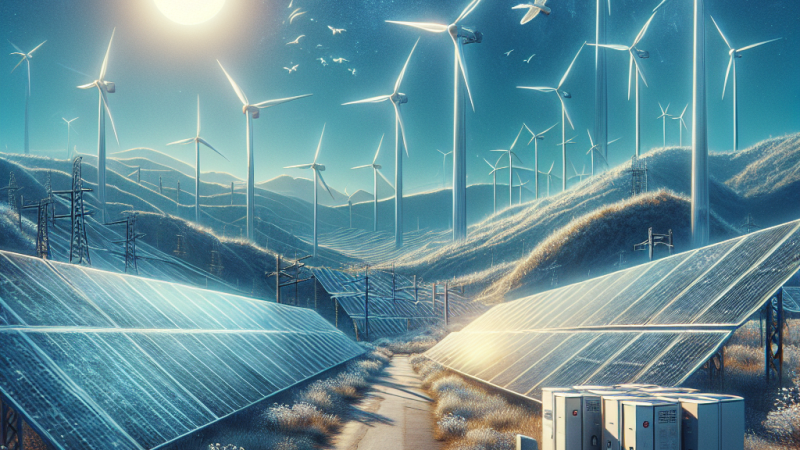
Renewable energy technologies are widely used in various industries to reduce carbon footprints and enhance sustainability. For instance, solar panels are installed on industrial rooftops to generate electricity, while wind farms provide power to manufacturing plants. Hydropower is extensively used in aluminum production due to its high energy requirements.
Residential Applications
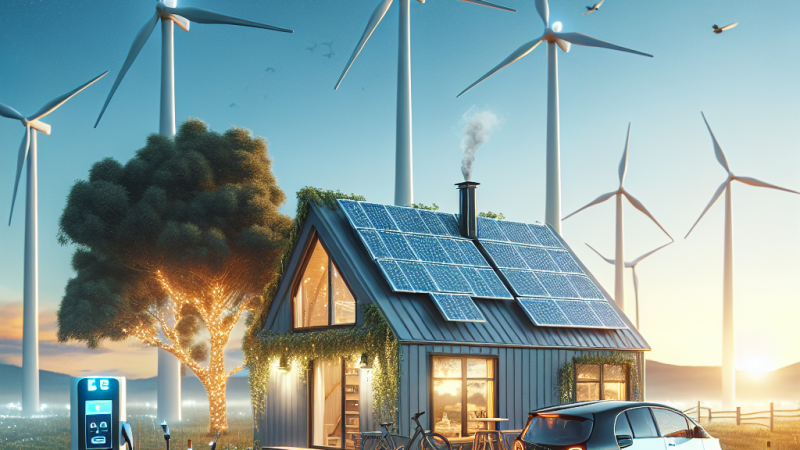
In residential settings, renewable energy systems such as rooftop solar panels, small wind turbines, and geothermal heat pumps are increasingly popular. These systems not only reduce household energy bills but also contribute to environmental conservation by lowering greenhouse gas emissions.
Case Studies
- Denmark: Denmark is a global leader in wind energy, with wind turbines supplying over 40% of the country’s electricity. The success of Denmark’s wind energy program is attributed to strong government support, technological innovation, and community involvement.
- Germany: Germany’s Energiewende (energy transition) policy has led to significant investments in renewable energy, particularly solar and wind. As a result, renewable energy sources now account for over 40% of the country’s electricity consumption.
Advanced Topics
Recent Research and Innovations
Recent advancements in renewable energy technologies focus on improving efficiency, reducing costs, and minimizing environmental impacts. For example, perovskite solar cells have emerged as a promising alternative to traditional silicon-based cells due to their high efficiency and lower production costs. In wind energy, innovations such as floating wind turbines and bladeless turbines are being explored to harness wind power in previously inaccessible areas.
Future Trends
The future of renewable energy is likely to be shaped by several key trends, including the integration of energy storage systems, the development of smart grids, and the increasing use of artificial intelligence (AI) and machine learning for optimizing energy production and consumption. Additionally, the concept of decentralized energy systems, where energy is generated and consumed locally, is gaining traction as a way to enhance energy security and resilience.
Challenges and Considerations
Environmental Challenges
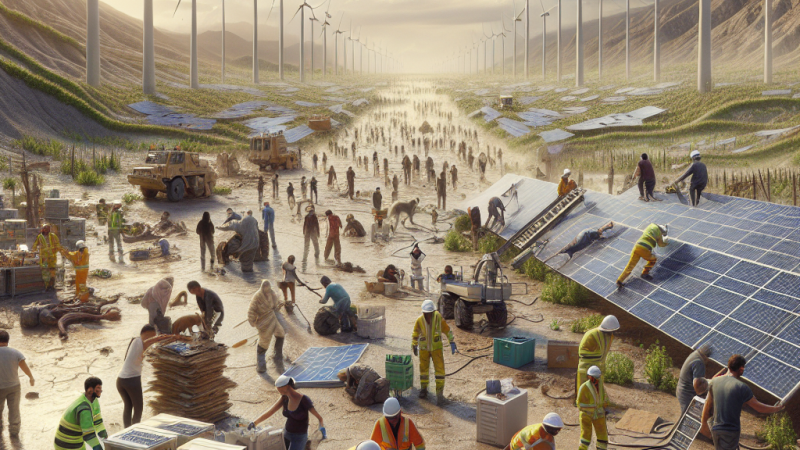
While renewable energy technologies have lower environmental impacts compared to fossil fuels, they are not entirely free of environmental concerns. For instance, the production and disposal of solar panels can result in hazardous waste, and wind turbines can pose risks to bird and bat populations. Hydropower projects can disrupt aquatic ecosystems and displace communities.
Technical and Economic Challenges
Technical challenges include the intermittent nature of renewable energy sources, which necessitates the development of efficient energy storage systems and grid management solutions. Economically, the initial capital costs of renewable energy installations can be high, although these costs are decreasing with technological advancements and economies of scale.
Potential Solutions
Addressing these challenges requires a multifaceted approach. For environmental concerns, ongoing research aims to develop more sustainable materials and recycling methods for renewable energy technologies. To tackle technical and economic challenges, investments in energy storage, grid infrastructure, and supportive policies are essential. Additionally, public awareness and community engagement play crucial roles in the successful adoption of renewable energy.
Conclusion
The environmental impact of renewable energy is a critical consideration in the field of Renewable Energy in Engineering. While renewable energy technologies offer significant environmental benefits compared to fossil fuels, they are not without their challenges. Understanding the fundamentals, historical development, applications, advanced topics, and challenges associated with renewable energy is essential for engineers and policymakers to design and implement sustainable energy solutions. As research and innovation continue to advance, the future of renewable energy holds great promise for a cleaner, more sustainable world.