Renewable Energy in Buildings
Introduction
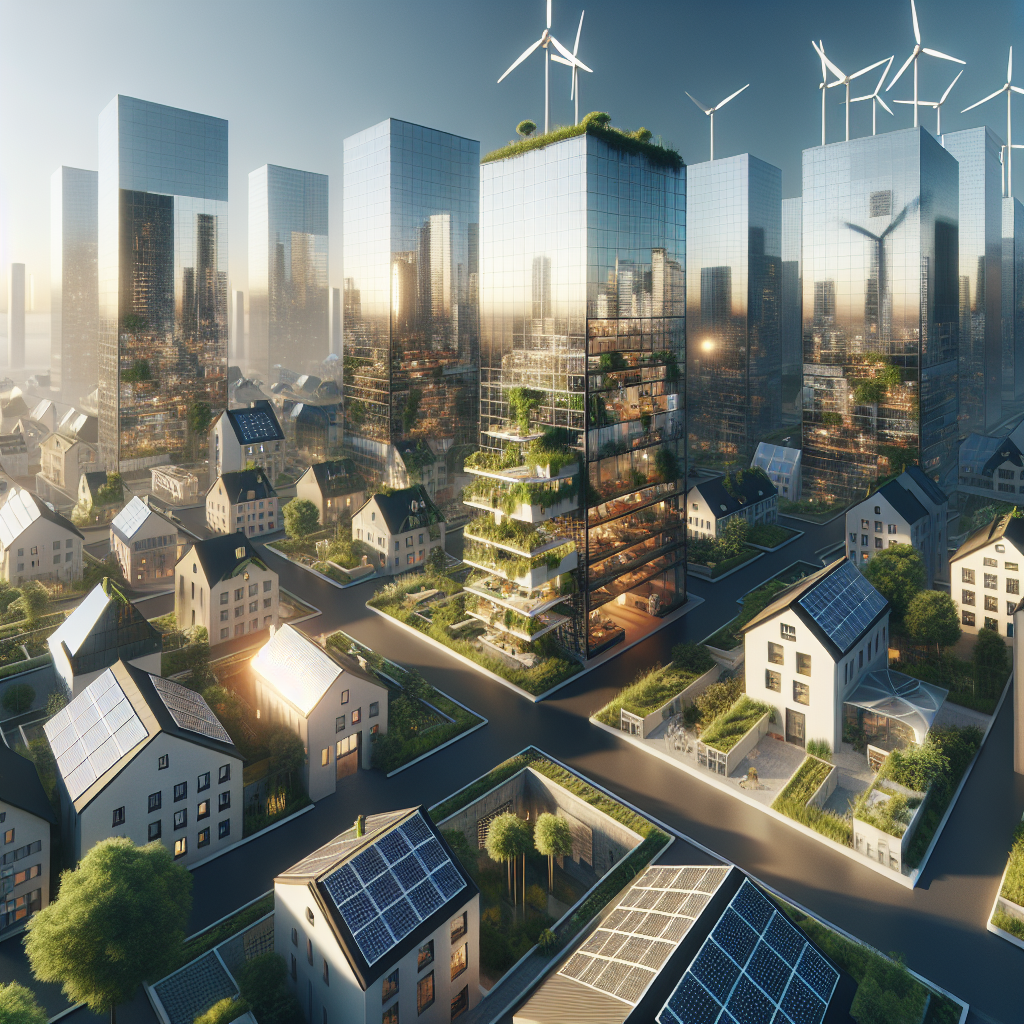
Renewable energy in buildings is a critical topic in the field of engineering, particularly as the world grapples with the dual challenges of climate change and energy security. Buildings are significant consumers of energy, accounting for approximately 40% of global energy use and 33% of greenhouse gas emissions. Integrating renewable energy sources into buildings not only reduces their carbon footprint but also enhances energy efficiency and sustainability. This article delves into the importance, principles, historical development, applications, advanced topics, challenges, and future trends of renewable energy in buildings.
Fundamentals
Basic Principles and Concepts
Renewable energy refers to energy derived from natural processes that are replenished constantly. In the context of buildings, renewable energy sources include solar, wind, geothermal, and biomass. The integration of these energy sources into buildings involves several key principles:
- Energy Efficiency: Reducing the energy demand of buildings through design, materials, and technologies.
- On-site Generation: Producing energy directly at the building site using renewable sources.
- Energy Storage: Storing excess energy generated for later use, often through batteries or thermal storage systems.
- Grid Integration: Connecting buildings to the electrical grid to balance energy supply and demand.
Key Terms
- Photovoltaic (PV) Systems: Technology that converts sunlight directly into electricity using solar cells.
- Net Zero Energy Building (NZEB): A building that produces as much energy as it consumes over a year.
- Passive Solar Design: Architectural design that maximizes natural heating, cooling, and lighting.
- Geothermal Heat Pumps: Systems that use the earth’s stable temperature to heat and cool buildings.
Historical Development
The concept of using renewable energy in buildings is not new. Ancient civilizations, such as the Greeks and Romans, utilized passive solar design principles to heat their homes. However, the modern era of renewable energy in buildings began in the 20th century.
Key Milestones
- 1954: The first practical photovoltaic cell was developed by Bell Labs, marking the beginning of solar energy technology.
- 1970s: The oil crisis spurred interest in alternative energy sources, leading to significant advancements in solar and wind technologies.
- 1990s: The concept of green buildings gained traction, with the establishment of rating systems like LEED (Leadership in Energy and Environmental Design).
- 2000s: The development of Net Zero Energy Buildings (NZEB) and the integration of smart grid technologies.
Notable Figures
- Frank Shuman: An American inventor who built the world’s first solar thermal power station in Egypt in 1913.
- Maria Telkes: A pioneer in solar energy who developed the first solar-powered heating system for a home in 1948.
- Amory Lovins: An influential advocate for energy efficiency and renewable energy in buildings.
Applications
Renewable energy technologies are being applied in various ways to make buildings more sustainable and energy-efficient. Here are some practical applications:
Residential Buildings
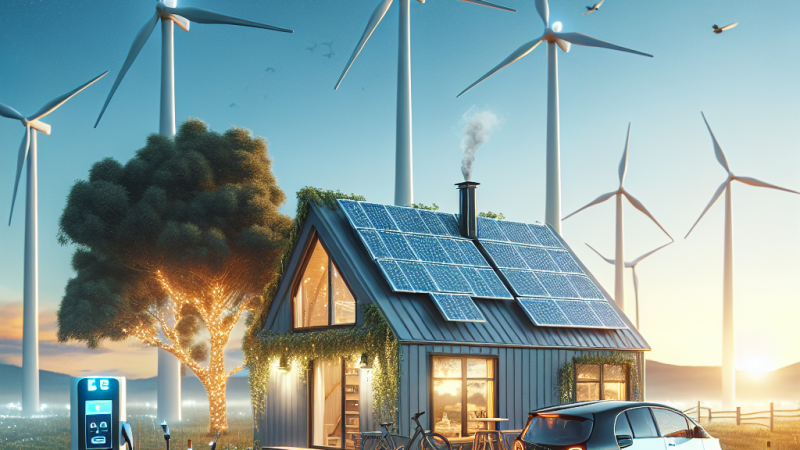
In residential buildings, solar photovoltaic (PV) systems are commonly used to generate electricity. Solar water heaters provide hot water, while geothermal heat pumps offer efficient heating and cooling. Passive solar design principles, such as south-facing windows and thermal mass, are also employed to reduce energy consumption.
Commercial Buildings
Commercial buildings often incorporate larger-scale renewable energy systems. For example, office buildings may use rooftop solar panels, wind turbines, and advanced energy management systems to optimize energy use. Green roofs and building-integrated photovoltaics (BIPV) are also popular in commercial applications.
Case Studies
- One Angel Square, Manchester: This office building is one of the most sustainable in Europe, featuring a double-skin façade, solar panels, and a combined heat and power (CHP) system.
- BedZED, London: The Beddington Zero Energy Development is a mixed-use community that uses solar panels, biomass heating, and passive solar design to achieve high energy efficiency.
Advanced Topics
Recent Research and Innovations
Recent advancements in renewable energy technologies are making it easier and more cost-effective to integrate these systems into buildings. Some notable innovations include:
- Perovskite Solar Cells: A new type of solar cell that offers higher efficiency and lower production costs compared to traditional silicon-based cells.
- Building-Integrated Photovoltaics (BIPV): Solar panels that are integrated into building materials, such as windows and facades, to generate electricity without compromising aesthetics.
- Smart Grids: Advanced electrical grids that use digital technology to manage and distribute energy more efficiently, facilitating the integration of renewable energy sources.
Future Trends
The future of renewable energy in buildings looks promising, with several trends emerging:
- Energy-Positive Buildings: Buildings that generate more energy than they consume, contributing excess energy to the grid.
- Decentralized Energy Systems: Localized energy generation and storage systems that reduce reliance on centralized power plants.
- Artificial Intelligence (AI): AI-driven energy management systems that optimize energy use and improve the efficiency of renewable energy systems.
Challenges and Considerations
Despite the numerous benefits, integrating renewable energy into buildings comes with its own set of challenges and considerations:
Technical Challenges
- Intermittency: Renewable energy sources like solar and wind are intermittent, requiring reliable storage solutions to ensure a consistent energy supply.
- Integration: Integrating renewable energy systems with existing building infrastructure and the electrical grid can be complex and costly.
Economic Considerations
- Initial Costs: The upfront costs of renewable energy systems can be high, although they often pay for themselves over time through energy savings.
- Incentives and Policies: Government incentives and policies play a crucial role in making renewable energy systems financially viable for building owners.
Social and Environmental Considerations
- Public Awareness: Increasing public awareness and acceptance of renewable energy technologies is essential for widespread adoption.
- Environmental Impact: While renewable energy systems are generally environmentally friendly, their production and disposal can have environmental impacts that need to be managed.
Conclusion
Renewable energy in buildings is a vital component of the global effort to combat climate change and achieve sustainable development. By integrating renewable energy sources such as solar, wind, geothermal, and biomass into building designs, we can significantly reduce energy consumption and greenhouse gas emissions. While there are challenges to overcome, ongoing research and technological advancements are making it increasingly feasible to create energy-efficient, sustainable buildings. As we look to the future, the continued development and adoption of renewable energy technologies in buildings will play a crucial role in shaping a more sustainable and resilient world.