
Mechatronics in Manufacturing
Introduction
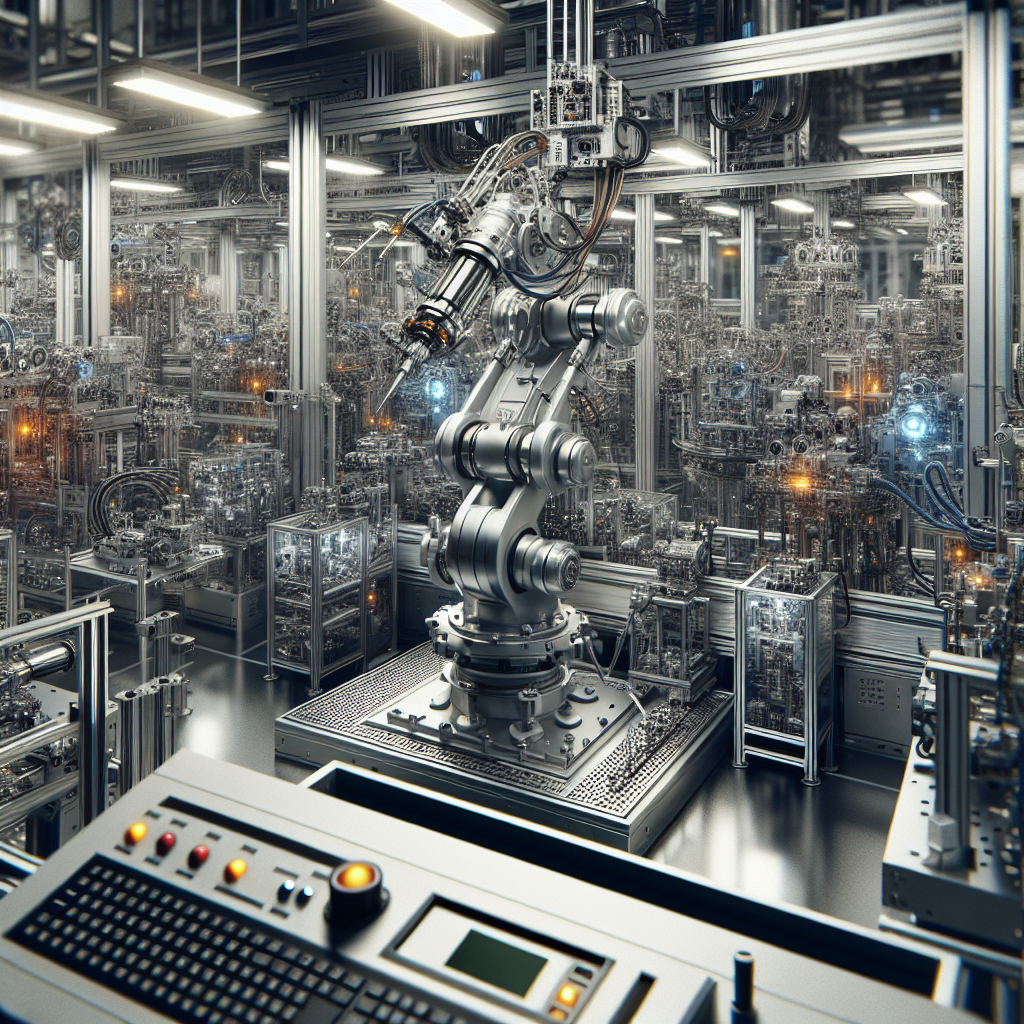
Mechatronics, a multidisciplinary field that combines mechanical engineering, electronics, computer science, and control engineering, has revolutionized the manufacturing industry. The integration of these diverse fields has led to the development of advanced systems and technologies that enhance productivity, efficiency, and precision in manufacturing processes. This article delves into the significance of mechatronics in manufacturing, exploring its fundamental principles, historical development, practical applications, advanced topics, challenges, and future trends.
Fundamentals
Basic Principles and Concepts
Mechatronics is defined as the synergistic integration of mechanical engineering, electronics, control systems, and computer science to design and create intelligent systems and products. The core principles of mechatronics include:
- Interdisciplinary Approach: Combining knowledge from various engineering disciplines to create more efficient and effective systems.
- System Integration: Integrating mechanical components with electronic sensors, actuators, and control systems to achieve desired functionalities.
- Automation and Control: Utilizing control theory and automation techniques to enhance system performance and reliability.
- Intelligent Systems: Implementing artificial intelligence and machine learning algorithms to enable systems to adapt and respond to changing conditions.
Key Terms
- Actuators: Devices that convert electrical signals into physical movement.
- Sensors: Devices that detect and measure physical properties such as temperature, pressure, and motion.
- Microcontrollers: Small computing devices that control the operation of mechatronic systems.
- PLC (Programmable Logic Controller): Industrial digital computers used for automation of electromechanical processes.
- SCADA (Supervisory Control and Data Acquisition): Systems used for remote monitoring and control of industrial processes.
Historical Development
The concept of mechatronics emerged in the 1960s in Japan, where the term was coined by combining “mechanics” and “electronics.” The field has since evolved significantly, driven by advancements in technology and the increasing demand for automation in manufacturing.
Key Milestones
- 1960s: Introduction of the term “mechatronics” and early development of integrated systems.
- 1970s: Advancements in microelectronics and the development of microprocessors, leading to more sophisticated control systems.
- 1980s: Emergence of computer-aided design (CAD) and computer-aided manufacturing (CAM) technologies.
- 1990s: Integration of artificial intelligence and machine learning into mechatronic systems.
- 2000s: Development of advanced robotics and automation technologies, including collaborative robots (cobots).
- 2010s: Growth of the Industrial Internet of Things (IIoT) and smart manufacturing.
Notable Figures
- Dr. Yasakawa: A pioneer in the field of mechatronics, known for his contributions to the development of industrial robots.
- Dr. Hiroshi Makino: Recognized for his work in precision engineering and mechatronics.
- Dr. Masayoshi Tomizuka: A leading researcher in control systems and mechatronics.
Applications
Mechatronics has a wide range of applications in various industries, significantly impacting manufacturing processes. Some notable applications include:
Automotive Industry
In the automotive industry, mechatronics plays a crucial role in the design and production of vehicles. Applications include:
- Robotic Assembly Lines: Automated robots perform tasks such as welding, painting, and assembly with high precision and speed.
- Advanced Driver Assistance Systems (ADAS): Systems that enhance vehicle safety and performance through features like adaptive cruise control, lane-keeping assistance, and automatic emergency braking.
- Engine Control Units (ECUs): Microcontrollers that manage engine performance, fuel efficiency, and emissions.
Electronics Manufacturing
Mechatronics is essential in the production of electronic devices, where precision and efficiency are paramount. Applications include:
- Surface Mount Technology (SMT): Automated machines place electronic components onto printed circuit boards (PCBs) with high accuracy.
- Automated Optical Inspection (AOI): Systems that inspect PCBs for defects and ensure quality control.
- Pick-and-Place Robots: Robots that handle delicate components and assemble electronic devices.
Aerospace Industry
In aerospace manufacturing, mechatronics enhances the production and maintenance of aircraft and spacecraft. Applications include:
- Automated Drilling and Fastening: Robots perform precise drilling and fastening operations on aircraft structures.
- Flight Control Systems: Advanced control systems manage aircraft stability, navigation, and performance.
- Unmanned Aerial Vehicles (UAVs): Drones equipped with mechatronic systems for various applications, including surveillance and delivery.
Medical Device Manufacturing
Mechatronics is instrumental in the production of medical devices, ensuring high standards of precision and reliability. Applications include:
- Surgical Robots: Robots assist surgeons in performing minimally invasive procedures with high precision.
- Diagnostic Equipment: Advanced imaging systems and diagnostic tools that provide accurate and timely medical information.
- Prosthetics and Orthotics: Development of intelligent prosthetic limbs and orthotic devices that enhance patient mobility and quality of life.
Advanced Topics
Recent Research and Innovations
Recent advancements in mechatronics have focused on enhancing system intelligence, connectivity, and adaptability. Key areas of research and innovation include:
- Artificial Intelligence (AI) and Machine Learning: Integrating AI algorithms into mechatronic systems to enable predictive maintenance, adaptive control, and autonomous decision-making.
- Industrial Internet of Things (IIoT): Connecting mechatronic systems to the internet to enable real-time monitoring, data analysis, and remote control.
- Collaborative Robots (Cobots): Developing robots that can work alongside humans, enhancing productivity and safety in manufacturing environments.
- Smart Manufacturing: Implementing advanced sensors, data analytics, and automation to create highly efficient and flexible manufacturing processes.
Future Trends
The future of mechatronics in manufacturing is poised for significant growth and transformation. Emerging trends include:
- 5G Connectivity: Leveraging high-speed, low-latency communication networks to enhance the performance and responsiveness of mechatronic systems.
- Edge Computing: Processing data closer to the source to reduce latency and improve real-time decision-making.
- Digital Twins: Creating virtual replicas of physical systems to simulate, analyze, and optimize manufacturing processes.
- Advanced Materials: Utilizing new materials with enhanced properties to develop more efficient and durable mechatronic components.
Challenges and Considerations
Despite its numerous benefits, the implementation of mechatronics in manufacturing presents several challenges and considerations:
Technical Challenges
- System Integration: Integrating diverse components and technologies into a cohesive system can be complex and require specialized expertise.
- Reliability and Maintenance: Ensuring the reliability and longevity of mechatronic systems, as well as developing effective maintenance strategies, is crucial.
- Cybersecurity: Protecting mechatronic systems from cyber threats and ensuring data security is a growing concern.
Economic Considerations
- Initial Investment: The cost of implementing advanced mechatronic systems can be high, requiring significant capital investment.
- Return on Investment (ROI): Evaluating the ROI of mechatronic systems and ensuring they deliver tangible benefits is essential for justifying the investment.
Workforce and Training
- Skilled Workforce: Developing a workforce with the necessary skills and knowledge to design, implement, and maintain mechatronic systems is critical.
- Continuous Training: Providing ongoing training and education to keep up with technological advancements and industry trends.
Potential Solutions
- Collaborative Research: Encouraging collaboration between academia, industry, and government to address technical challenges and drive innovation.
- Standardization: Developing industry standards and best practices to facilitate system integration and interoperability.
- Cybersecurity Measures: Implementing robust cybersecurity protocols and practices to protect mechatronic systems from threats.
- Investment in Education: Investing in education and training programs to develop a skilled workforce capable of advancing the field of mechatronics.
Conclusion
Mechatronics has become a cornerstone of modern manufacturing, driving advancements in automation, precision, and efficiency. By integrating mechanical engineering, electronics, computer science, and control systems, mechatronics enables the development of intelligent systems that enhance productivity and quality across various industries. While challenges remain, ongoing research, innovation, and collaboration are paving the way for a future where mechatronics continues to transform manufacturing processes. As the field evolves, it will play an increasingly vital role in shaping the future of engineering and industry.


