Historical Development of Mechatronics
Introduction
Mechatronics is a multidisciplinary field that combines mechanical engineering, electronics, computer science, and control engineering to design and create intelligent systems and products. The term “mechatronics” was first coined in Japan in the 1960s, and since then, it has become a cornerstone of modern engineering. The importance of mechatronics lies in its ability to integrate various engineering disciplines to develop innovative solutions that enhance functionality, efficiency, and reliability. This article delves into the historical development of mechatronics, exploring its fundamental principles, key milestones, practical applications, advanced topics, and the challenges it faces.
Fundamentals
Basic Principles and Concepts
Mechatronics is built on the integration of several engineering domains. The core principles include:
- Mechanical Engineering: Focuses on the design, analysis, and manufacturing of mechanical systems.
- Electronics: Involves the study and application of electrical circuits and devices.
- Computer Science: Encompasses programming, algorithms, and data processing.
- Control Engineering: Deals with the modeling and control of dynamic systems.
Key terms in mechatronics include:
- Actuators: Devices that convert electrical signals into physical movement.
- Sensors: Components that detect changes in the environment and send information to the control system.
- Microcontrollers: Small computers on a single integrated circuit that control the functions of a mechatronic system.
- Feedback Loops: Systems that use sensor data to adjust actions and maintain desired performance.
Historical Development
Early Beginnings
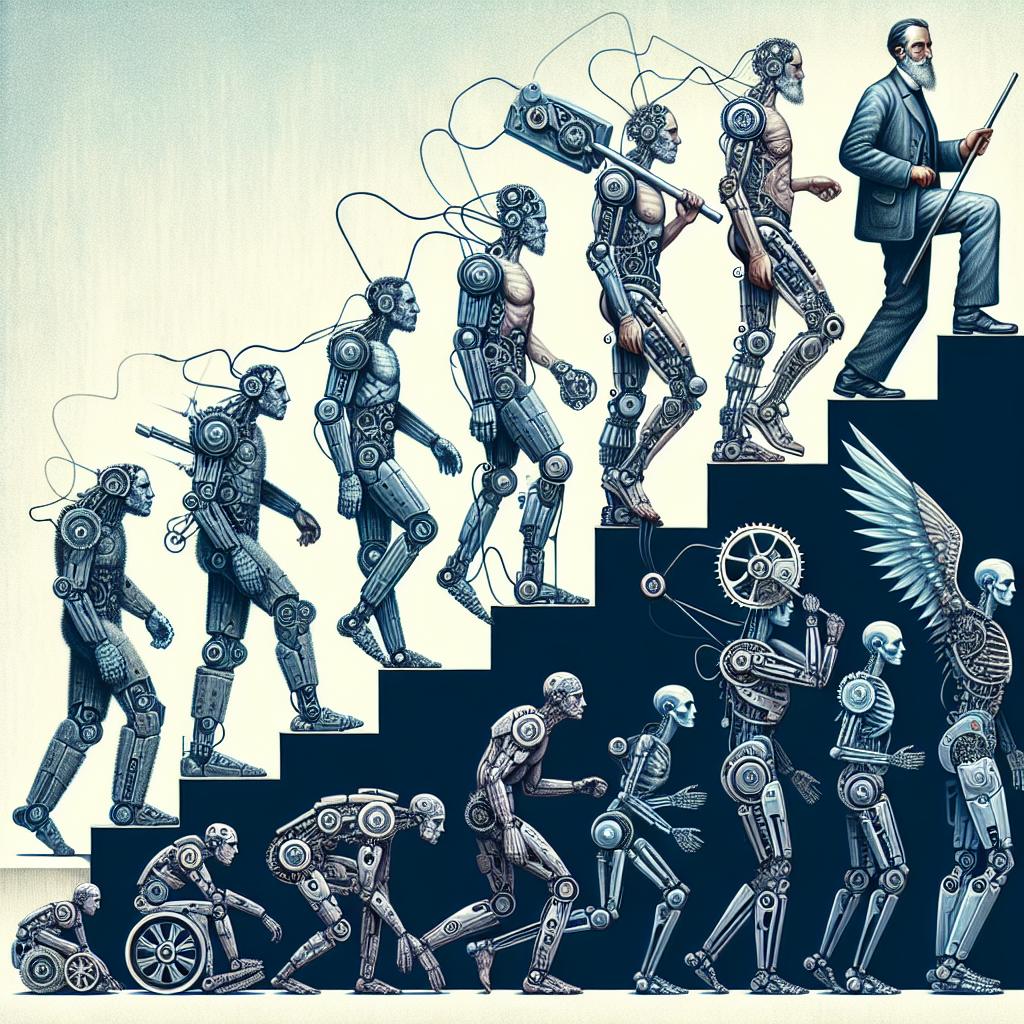
The roots of mechatronics can be traced back to the early 20th century with the advent of automation and control systems. The development of feedback control systems in the 1920s and 1930s laid the groundwork for modern mechatronics. Notable figures such as Norbert Wiener, who is considered the father of cybernetics, made significant contributions to the field by developing theories on control and communication in animals and machines.
Mid-20th Century
The 1950s and 1960s saw the rise of electronic control systems and the integration of electronics with mechanical systems. The invention of the transistor in 1947 by John Bardeen, Walter Brattain, and William Shockley revolutionized electronics, making it possible to create more compact and efficient control systems. During this period, the term “mechatronics” was coined by Tetsuro Mori, an engineer at Yaskawa Electric Corporation in Japan, to describe the integration of mechanical and electronic systems.
Late 20th Century to Present
The late 20th century witnessed rapid advancements in computer technology, which further propelled the development of mechatronics. The introduction of microprocessors and microcontrollers in the 1970s and 1980s enabled more sophisticated control and automation systems. The field continued to evolve with the advent of digital signal processing, robotics, and artificial intelligence. Notable milestones include the development of industrial robots, such as the Unimate in the 1960s, and the widespread adoption of computer-aided design (CAD) and computer-aided manufacturing (CAM) technologies.
Applications
Industrial Automation
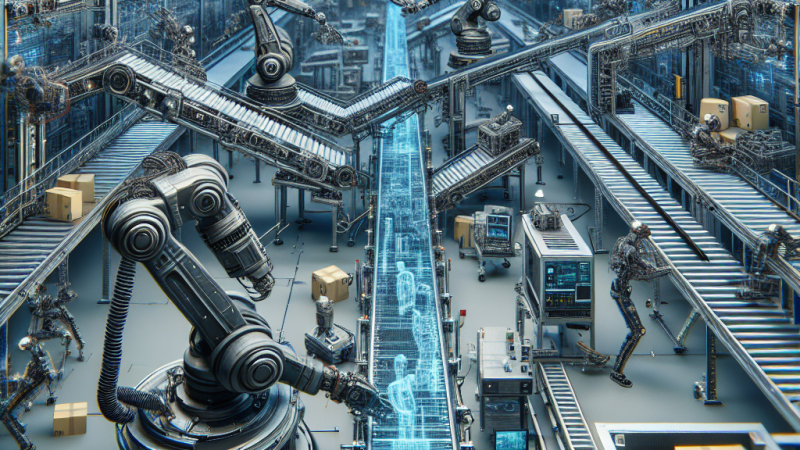
One of the most significant applications of mechatronics is in industrial automation. Mechatronic systems are used to automate manufacturing processes, improving efficiency, precision, and safety. Examples include robotic arms used in assembly lines, automated guided vehicles (AGVs) for material handling, and CNC (Computer Numerical Control) machines for precision machining.
Automotive Industry
The automotive industry has greatly benefited from mechatronics. Modern vehicles are equipped with numerous mechatronic systems, such as anti-lock braking systems (ABS), electronic stability control (ESC), adaptive cruise control, and advanced driver-assistance systems (ADAS). These systems enhance vehicle performance, safety, and driver comfort.
Medical Devices
Mechatronics plays a crucial role in the development of medical devices and equipment. Examples include robotic surgical systems, such as the da Vinci Surgical System, which allows for minimally invasive surgeries with high precision. Other applications include prosthetic limbs, medical imaging devices, and automated drug delivery systems.
Consumer Electronics
Many consumer electronics products rely on mechatronic systems. Examples include smartphones, which integrate sensors, actuators, and microcontrollers to provide various functionalities, and home automation systems, which use mechatronic components to control lighting, heating, and security systems.
Advanced Topics
Recent Research and Innovations
Recent research in mechatronics focuses on the integration of advanced technologies such as artificial intelligence (AI), machine learning, and the Internet of Things (IoT). These technologies enable the development of smart systems that can learn from data, adapt to changing conditions, and communicate with other devices. Examples include autonomous vehicles, smart manufacturing systems, and intelligent robots.
Future Trends
The future of mechatronics is likely to be shaped by several emerging trends. These include the development of soft robotics, which uses flexible materials to create robots that can interact safely with humans, and the advancement of bio-mechatronics, which aims to integrate biological and mechatronic systems for applications such as advanced prosthetics and wearable devices. Additionally, the increasing use of digital twins—virtual replicas of physical systems—will enable more efficient design, testing, and maintenance of mechatronic systems.
Challenges and Considerations
Technical Challenges
Despite its many advantages, mechatronics faces several technical challenges. These include the complexity of integrating multiple engineering disciplines, the need for precise control and coordination of various components, and the requirement for real-time data processing and decision-making. Additionally, ensuring the reliability and robustness of mechatronic systems in harsh environments remains a significant challenge.
Ethical and Social Considerations
The widespread adoption of mechatronic systems also raises ethical and social considerations. For example, the use of autonomous robots in the workplace may lead to job displacement and require new regulations to ensure safety and fairness. Additionally, the development of advanced medical devices and prosthetics raises questions about accessibility and affordability for all individuals.
Potential Solutions
Addressing these challenges requires a multidisciplinary approach that combines technical expertise with ethical and social awareness. Potential solutions include the development of standardized protocols for system integration, the use of advanced simulation and testing tools to ensure reliability, and the implementation of policies that promote equitable access to mechatronic technologies. Additionally, ongoing research and collaboration between academia, industry, and government will be essential to address the evolving challenges and opportunities in the field.
Conclusion
The historical development of mechatronics has been marked by significant advancements in technology and engineering. From its early beginnings in automation and control systems to its current applications in various industries, mechatronics has transformed the way we design and interact with intelligent systems. The integration of mechanical, electronic, computer, and control engineering has enabled the creation of innovative solutions that enhance functionality, efficiency, and reliability. As the field continues to evolve, it will be essential to address the technical, ethical, and social challenges associated with mechatronic systems. By doing so, we can ensure that mechatronics remains a vital and transformative force in the field of engineering.