Innovations in Temporary Engineering Solutions: The Role of Large Fabric Structures
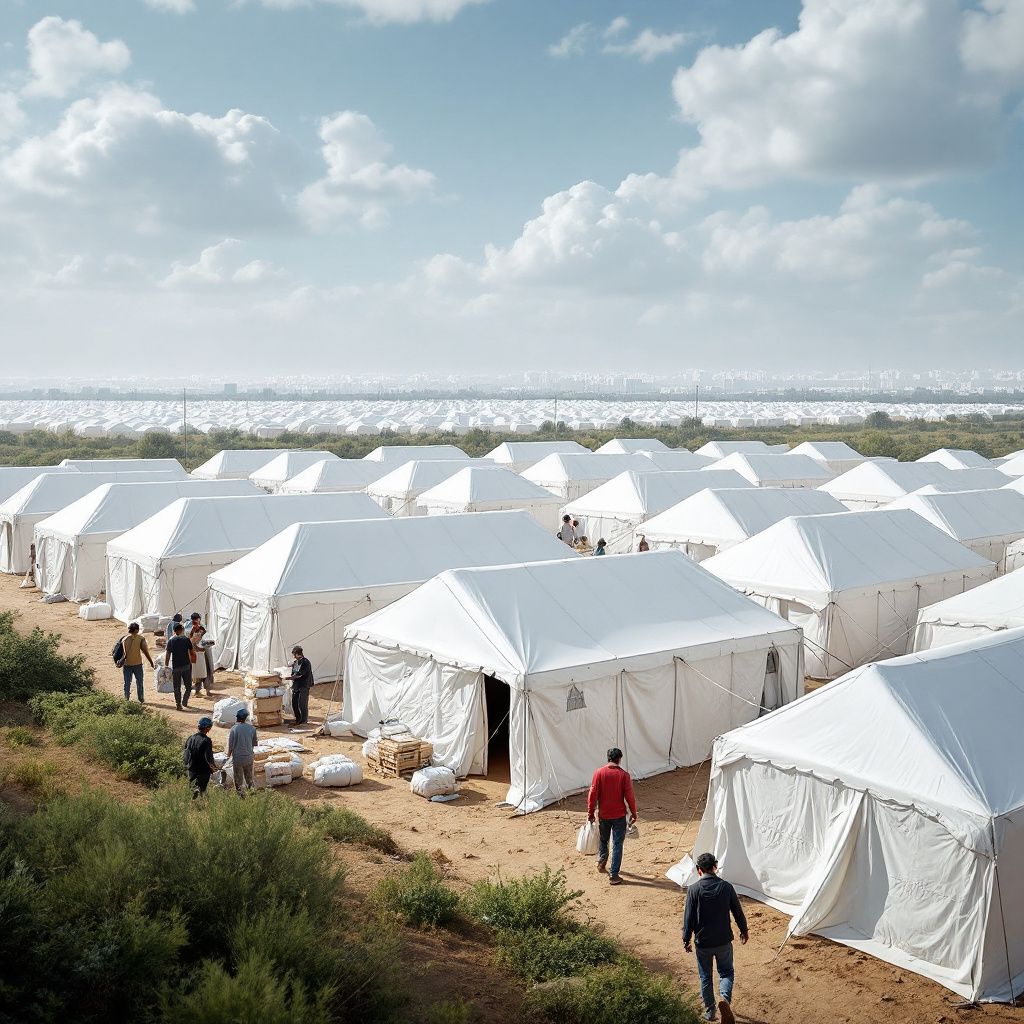 Engineering projects across various industries increasingly demand innovative, flexible, and cost-effective solutions to address infrastructure challenges. Whether it’s setting up remote mining camps, providing shelter in disaster-stricken areas, or creating temporary storage for large-scale construction projects, the need for durable and adaptable temporary structures has never been greater.
Traditional building methods, while reliable, often fall short in terms of deployment speed, portability, and cost-efficiency. This is where Large Fabric Structures excel. Combining cutting-edge materials and advanced engineering principles, these structures are designed to meet diverse operational needs, offering unmatched versatility in even the most challenging environments.
From withstanding extreme weather conditions to enabling rapid deployment in remote areas, fabric-based shelters have become an indispensable tool for industries such as construction, energy, aviation, and disaster relief. This article explores the engineering innovations and applications of large fabric structures, illustrating how they are reshaping the way temporary infrastructure is designed and utilized.
Engineering Principles Behind Fabric-Based Solutions
Fabric-engineered shelters rely on advanced materials and design techniques to ensure performance, safety, and longevity.
Tensile Strength and Material Integrity
High-strength synthetic materials, such as PVC-coated polyester or polyethylene, offer exceptional durability, resisting tearing under heavy loads or high winds. These materials are treated with coatings for UV resistance, fire retardancy, and waterproofing, making them suitable for diverse applications.
Structural Load Distribution
Lightweight yet robust frames, often made of aluminum or galvanized steel, ensure even distribution of loads across the structure. This minimizes stress points and enhances stability, particularly in extreme weather conditions.
Aerodynamic Design
Streamlined shapes optimize wind flow, reducing drag and maintaining structural integrity. This design approach makes these shelters reliable in environments with high wind speeds.
Rapid Deployment and Modularity
Pre-engineered components and modular designs enable quick assembly and disassembly. These features make fabric-based structures a practical choice for time-sensitive projects or temporary installations.
Innovations in Fabric Shelter Design
Advancements in materials and engineering have significantly enhanced the functionality and adaptability of these structures.
Advanced Materials
Modern shelters incorporate multi-layered membranes with properties such as thermal insulation, soundproofing, and anti-microbial coatings. These features improve usability in environments requiring comfort and hygiene.
Sustainable Designs
Lightweight, reusable materials align with eco-friendly engineering principles. Reduced transportation needs and modular components further minimize environmental impact.
Customizable Frameworks
These structures are designed for flexibility, with options for expansion or reconfiguration to meet changing project requirements. This adaptability ensures long-term usability across various industries.
Enhanced Aesthetic Appeal
Beyond functionality, fabric shelters can be customized for commercial use, with options for branding, lighting, and unique layouts.
Applications Across Industries
 Construction and Industrial Projects
Fabric-engineered shelters serve as temporary warehouses, workshops, and equipment storage facilities. Their portability and ease of installation make them ideal for dynamic construction environments.
Mining and Energy
In remote locations, these shelters provide solutions for workforce accommodations, core storage, and maintenance facilities. Their resilience and adaptability are crucial for challenging conditions.
Disaster Relief and Emergency Response
Quickly deployable and durable, these shelters are used as emergency housing, medical facilities, and operational hubs. Their reliability ensures critical support in disaster-affected areas. According to the Federal Emergency Management Agency (FEMA), temporary structures play a vital role in disaster preparedness and recovery efforts, providing shelter and operational spaces for first responders and displaced communities.
Aviation and Transportation
Fabric shelters are employed as aircraft hangars and maintenance facilities. Their modular designs accommodate various sizes and configurations, offering cost-effective alternatives to permanent structures.
Agriculture and Storage
Farmers and agricultural businesses use these structures for crop storage, equipment housing, and livestock shelters. Their ability to regulate temperature and humidity protects perishable goods.
Military and Defense
Military operations benefit from fabric shelters’ durability and rapid deployment capabilities. They serve as troop accommodations, command centers, and storage facilities in extreme environments.
Commercial and Event Spaces
Fabric-engineered designs are increasingly popular for events, trade shows, and exhibitions. Their customizability makes them suitable for a wide range of commercial applications.
Overcoming Engineering Challenges
While fabric-based solutions offer numerous advantages, they also come with unique challenges.
Weather Resistance
Engineers must design shelters that can withstand heavy snow, high winds, and other extreme weather conditions. Reinforced frames and tensioning systems address these challenges effectively.
Longevity and Maintenance
Prolonged exposure to sunlight, moisture, and pollutants can degrade materials. Regular maintenance and advancements in fabric coatings help extend the lifespan of these structures.
Tailored Solutions
Each industry has specific requirements, such as thermal insulation for cold climates or soundproofing for urban areas. Engineers work closely with clients to develop customized solutions.
Advantages of Fabric-Engineered Shelters
- Cost-Effectiveness: Lower material and labor costs compared to traditional buildings.
- Rapid Deployment: Structures can be assembled quickly, saving valuable time.
- Flexibility: Modular designs enable scalability and adaptability.
- Portability: Lightweight materials facilitate easy relocation and reuse.
- Durability: Designed to withstand extreme environmental conditions.
Conclusion
Fabric-based structures have redefined temporary engineering solutions by providing cost-effective, durable, and adaptable options for a wide range of applications. Their innovative designs and sustainable materials make them an indispensable asset in industries requiring flexibility and reliability. As engineering continues to evolve, these structures are poised to play an even greater role in shaping the future of temporary infrastructure solutions.