Educational Tools for Mechatronics
Introduction
Mechatronics is an interdisciplinary field that combines mechanical engineering, electronics, computer science, and control engineering to design and create intelligent systems and products. As technology continues to advance, the demand for skilled mechatronics engineers is growing, making it essential for educational institutions to provide effective tools and resources for learning. Educational tools for mechatronics play a crucial role in equipping students with the knowledge and skills needed to excel in this dynamic field. This article explores the various aspects of educational tools for mechatronics, including their importance, fundamental principles, historical development, applications, advanced topics, challenges, and considerations.
Fundamentals
Basic Principles and Concepts
Mechatronics integrates multiple engineering disciplines to create complex systems that are more efficient, reliable, and versatile. The fundamental principles of mechatronics include:
- Mechanical Systems: The design and analysis of mechanical components and systems, including structures, mechanisms, and materials.
- Electronics: The study of electronic circuits, sensors, actuators, and microcontrollers that control mechanical systems.
- Control Systems: The use of feedback and control theory to regulate the behavior of dynamic systems.
- Computer Science: The application of software development, algorithms, and data processing to automate and optimize system performance.
Key Terms
- Actuator: A device that converts electrical signals into physical movement.
- Sensor: A device that detects and measures physical properties, such as temperature, pressure, or motion.
- Microcontroller: A compact integrated circuit designed to govern a specific operation in an embedded system.
- Feedback Loop: A system that uses feedback to control its output and maintain desired performance.
Historical Development
Early Beginnings
The concept of mechatronics can be traced back to the early 20th century when engineers began integrating electrical components into mechanical systems. The term “mechatronics” was first coined in Japan in the 1960s by Tetsuro Mori, an engineer at Yaskawa Electric Corporation. This marked the beginning of a new era in engineering, where the synergy between mechanical and electronic systems became increasingly important.
Key Milestones
- 1960s: The introduction of the term “mechatronics” and the development of early robotic systems.
- 1970s: The advancement of microprocessors and microcontrollers, enabling more sophisticated control systems.
- 1980s: The rise of computer-aided design (CAD) and computer-aided manufacturing (CAM) technologies.
- 1990s: The proliferation of industrial automation and the integration of artificial intelligence (AI) in mechatronic systems.
- 2000s: The emergence of the Internet of Things (IoT) and the development of smart, connected devices.
Applications
Industrial Automation
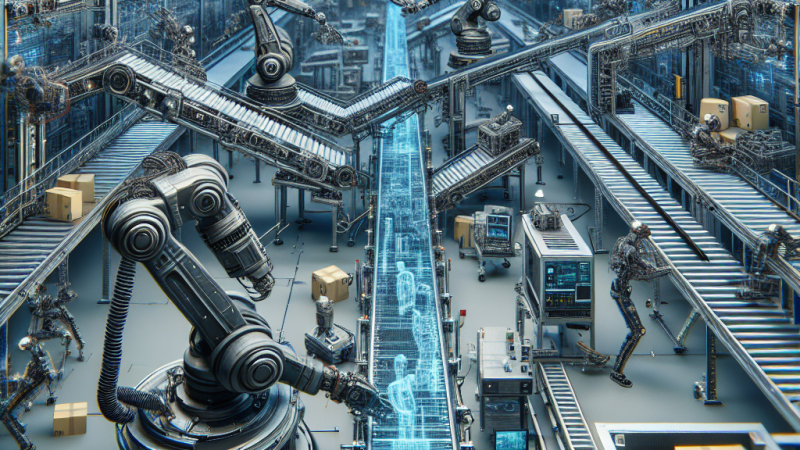
One of the most significant applications of mechatronics is in industrial automation. Mechatronic systems are used to automate manufacturing processes, improve efficiency, and reduce human error. Examples include robotic arms for assembly lines, automated guided vehicles (AGVs) for material handling, and programmable logic controllers (PLCs) for process control.
Automotive Industry
The automotive industry relies heavily on mechatronics for the development of advanced driver-assistance systems (ADAS), electric and hybrid vehicles, and autonomous driving technologies. Mechatronic systems enhance vehicle safety, performance, and fuel efficiency.
Medical Devices
Mechatronics plays a crucial role in the design and development of medical devices, such as surgical robots, prosthetics, and diagnostic equipment. These devices improve patient outcomes and enable minimally invasive procedures.
Consumer Electronics
Many consumer electronics, such as smartphones, smart home devices, and wearable technology, incorporate mechatronic principles. These devices offer enhanced functionality, user experience, and connectivity.
Case Studies
- Robotic Surgery: The da Vinci Surgical System is a prime example of a mechatronic device used in minimally invasive surgery. It combines robotic arms, high-definition cameras, and precise control systems to assist surgeons in performing complex procedures.
- Autonomous Vehicles: Companies like Tesla and Waymo are at the forefront of developing autonomous vehicles that rely on mechatronic systems for navigation, obstacle detection, and decision-making.
Advanced Topics
Recent Research and Innovations
Recent research in mechatronics focuses on areas such as artificial intelligence, machine learning, and advanced control algorithms. Innovations include:
- Soft Robotics: The development of robots made from flexible materials that can adapt to their environment and perform delicate tasks.
- Human-Robot Interaction: Enhancing the collaboration between humans and robots through intuitive interfaces and adaptive control systems.
- Smart Materials: The use of materials that can change their properties in response to external stimuli, such as shape-memory alloys and piezoelectric materials.
Future Trends
The future of mechatronics is likely to be shaped by advancements in AI, IoT, and 5G connectivity. Emerging trends include:
- Autonomous Systems: The continued development of autonomous vehicles, drones, and robots for various applications.
- Smart Manufacturing: The integration of IoT and AI in manufacturing processes to create smart factories with real-time monitoring and optimization.
- Wearable Technology: The growth of wearable devices that monitor health, enhance human capabilities, and provide real-time feedback.
Challenges and Considerations
Technical Challenges
Despite the advancements in mechatronics, several technical challenges remain:
- Complexity: The integration of multiple engineering disciplines can lead to complex system designs that are difficult to manage and troubleshoot.
- Reliability: Ensuring the reliability and robustness of mechatronic systems in various operating conditions is critical.
- Cost: The development and implementation of advanced mechatronic systems can be expensive, limiting their accessibility.
Educational Considerations
Educators face several challenges in teaching mechatronics:
- Interdisciplinary Curriculum: Developing a curriculum that effectively integrates mechanical engineering, electronics, computer science, and control engineering.
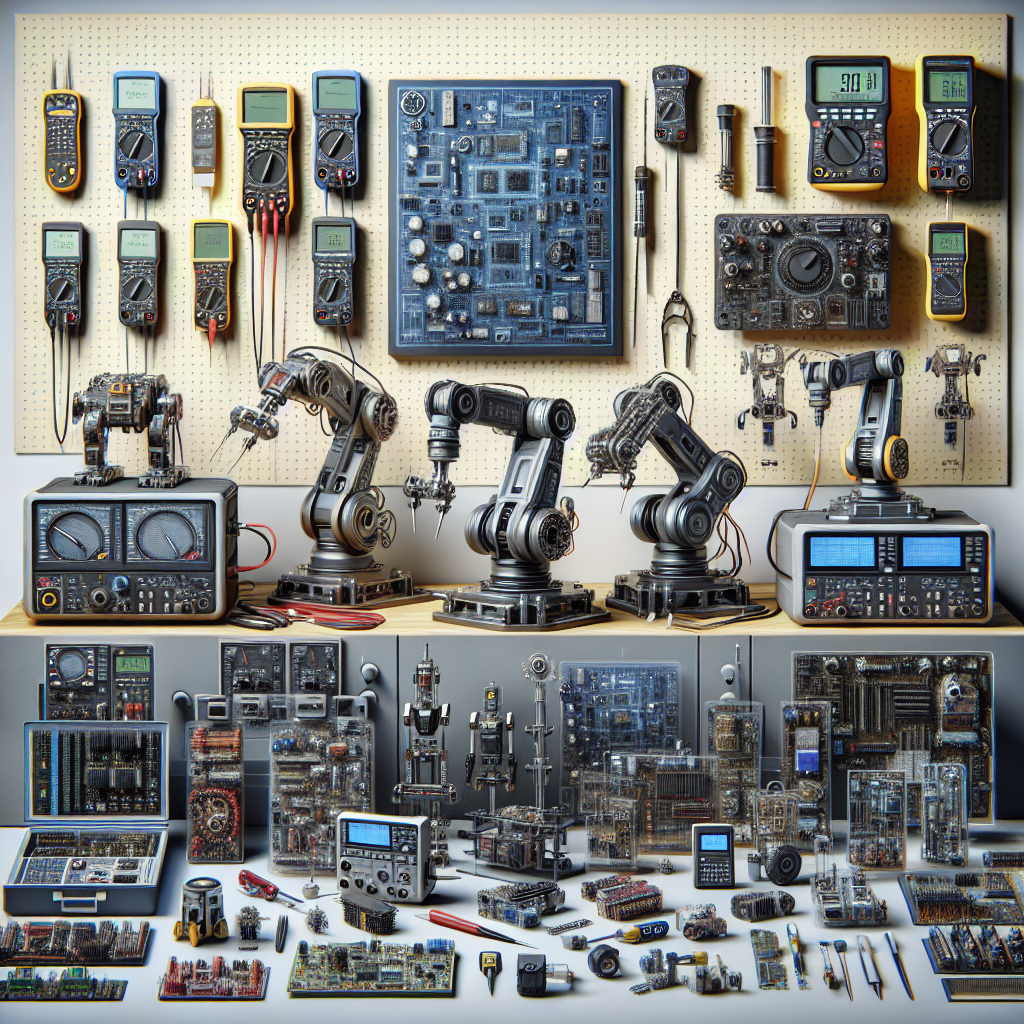
- Hands-On Experience: Providing students with practical, hands-on experience through labs, projects, and internships.
- Keeping Up with Technology: Ensuring that educational tools and resources stay up-to-date with the latest technological advancements.
Potential Solutions
To address these challenges, educational institutions can:
- Collaborate with Industry: Partner with industry leaders to provide students with real-world experience and access to cutting-edge technology.
- Invest in Resources: Allocate resources for state-of-the-art labs, equipment, and software to enhance the learning experience.
- Continuous Improvement: Regularly update the curriculum to reflect the latest trends and advancements in mechatronics.
Conclusion
Educational tools for mechatronics are essential for preparing the next generation of engineers to tackle the challenges and opportunities in this rapidly evolving field. By understanding the fundamental principles, historical development, practical applications, advanced topics, and challenges associated with mechatronics, students can develop the skills and knowledge needed to innovate and excel. As technology continues to advance, the importance of mechatronics in engineering will only grow, making it crucial for educational institutions to provide effective and up-to-date resources for learning.