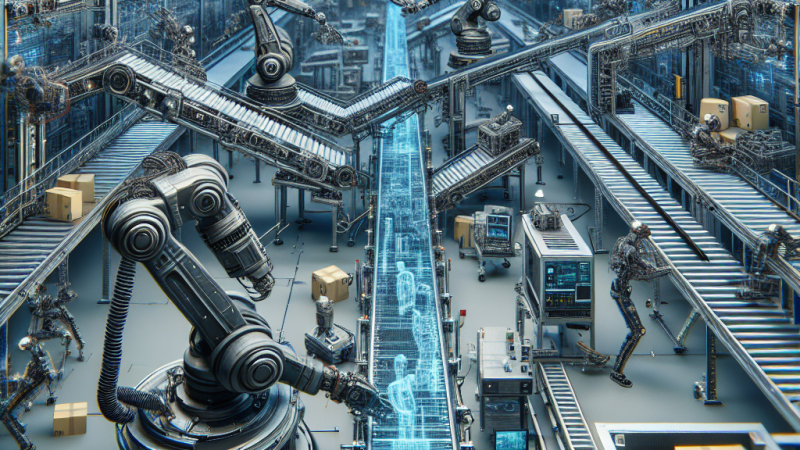
Mechatronics in Food Processing
Introduction
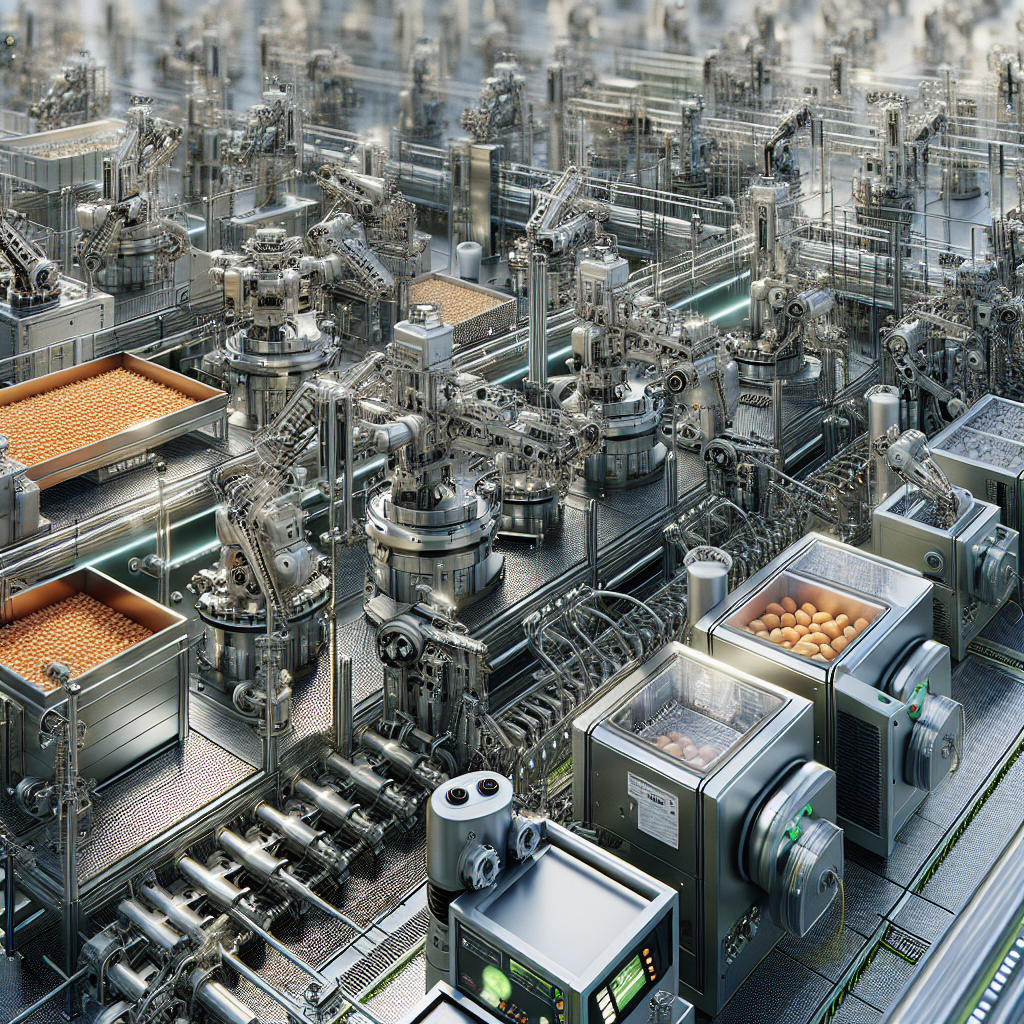
Mechatronics, an interdisciplinary field that combines mechanical engineering, electronics, computer science, and control engineering, has revolutionized various industries, including food processing. The integration of these disciplines allows for the development of sophisticated systems that enhance efficiency, precision, and automation in food production. The importance of mechatronics in food processing cannot be overstated, as it addresses the growing demand for high-quality, safe, and efficiently produced food. This article delves into the fundamentals, historical development, applications, advanced topics, challenges, and future trends of mechatronics in food processing.
Fundamentals
Basic Principles and Concepts
Mechatronics in food processing involves the application of integrated systems to automate and optimize various stages of food production. The core principles include:
- Automation: The use of control systems, such as computers or robots, to handle different processes with minimal human intervention.
- Precision: Ensuring accurate measurements and control to maintain consistency and quality in food products.
- Integration: Combining mechanical, electronic, and software components to create cohesive systems that work seamlessly together.
Key Terms
- Actuators: Devices that convert electrical signals into physical movement, essential for automation in food processing.
- Sensors: Instruments that detect changes in the environment, such as temperature, pressure, or humidity, and provide feedback to control systems.
- PLC (Programmable Logic Controller): A digital computer used for automation of industrial processes, including control of machinery on factory assembly lines.
- SCADA (Supervisory Control and Data Acquisition): A system for remote monitoring and control that operates with coded signals over communication channels.
Historical Development
Early Innovations
The concept of automation in food processing dates back to the early 20th century with the advent of mechanized equipment for tasks such as milling, canning, and packaging. However, the integration of electronics and control systems began to take shape in the mid-20th century.
Key Milestones
- 1960s: Introduction of PLCs, which revolutionized industrial automation by replacing hard-wired relay systems with programmable devices.
- 1980s: Development of SCADA systems, enabling real-time monitoring and control of industrial processes.
- 1990s: Emergence of advanced robotics and machine vision systems, enhancing precision and efficiency in food processing.
- 2000s: Integration of IoT (Internet of Things) and AI (Artificial Intelligence) in food processing, leading to smart factories and predictive maintenance.
Applications
Practical Applications in Food Processing
Mechatronics has found numerous applications in the food processing industry, enhancing various stages of production:
- Sorting and Grading: Automated systems equipped with machine vision and sensors can sort and grade food products based on size, color, and quality. For example, potato sorting machines use cameras and infrared sensors to detect defects and sort potatoes accordingly.
- Packaging: Automated packaging systems can handle tasks such as filling, sealing, labeling, and palletizing with high precision and speed. Case studies include the use of robotic arms for packaging delicate items like eggs or baked goods.
- Quality Control: Mechatronic systems ensure consistent quality by monitoring parameters such as temperature, humidity, and pH levels during production. For instance, dairy processing plants use automated systems to monitor and control pasteurization processes.
- Cooking and Baking: Automated ovens and cooking systems can precisely control cooking times and temperatures, ensuring uniformity and reducing waste. Examples include automated bread baking lines that mix, knead, proof, bake, and cool bread with minimal human intervention.
Advanced Topics
Recent Research and Innovations
Recent advancements in mechatronics have introduced several cutting-edge technologies in food processing:
- Artificial Intelligence (AI): AI algorithms are being used to optimize production processes, predict equipment failures, and improve quality control. For example, AI-driven predictive maintenance can foresee machinery breakdowns, reducing downtime and maintenance costs.
- Internet of Things (IoT): IoT devices enable real-time monitoring and data collection from various stages of food processing. This data can be analyzed to improve efficiency, traceability, and compliance with safety standards.
- Collaborative Robots (Cobots): Unlike traditional industrial robots, cobots can work alongside human operators, enhancing flexibility and safety in food processing tasks such as packaging and quality inspection.
- 3D Printing: 3D printing technology is being explored for creating customized food products, such as intricate chocolate designs or personalized nutrition solutions.
Future Trends
The future of mechatronics in food processing is likely to be shaped by several emerging trends:
- Smart Factories: The integration of AI, IoT, and advanced robotics will lead to fully automated and interconnected production facilities, capable of self-optimizing and adapting to changing demands.
- Sustainable Practices: Mechatronic systems will play a crucial role in reducing waste, conserving energy, and promoting sustainable practices in food production.
- Personalized Nutrition: Advances in mechatronics will enable the production of personalized food products tailored to individual dietary needs and preferences.
Challenges and Considerations
Challenges
Despite the numerous benefits, the implementation of mechatronics in food processing faces several challenges:
- High Initial Costs: The development and deployment of advanced mechatronic systems require significant investment, which can be a barrier for small and medium-sized enterprises.
- Complexity: Integrating multiple disciplines and technologies can be complex and requires specialized knowledge and skills.
- Maintenance and Reliability: Ensuring the reliability and maintenance of sophisticated mechatronic systems can be challenging, especially in harsh food processing environments.
- Regulatory Compliance: Food processing systems must comply with stringent safety and hygiene regulations, which can complicate the design and implementation of automated systems.
Potential Solutions
Addressing these challenges requires a multifaceted approach:
- Collaboration: Collaboration between industry, academia, and government can facilitate the development of cost-effective and reliable mechatronic solutions.
- Training and Education: Investing in training and education programs can equip the workforce with the necessary skills to design, implement, and maintain advanced mechatronic systems.
- Research and Development: Continued research and development can lead to innovations that reduce costs, enhance reliability, and simplify the integration of mechatronic systems.
Conclusion
Mechatronics has become an indispensable part of the food processing industry, offering numerous benefits in terms of efficiency, precision, and automation. From sorting and grading to packaging and quality control, mechatronic systems have transformed various stages of food production. Recent advancements in AI, IoT, and robotics are paving the way for smart factories and personalized nutrition solutions. However, challenges such as high initial costs, complexity, and regulatory compliance must be addressed to fully realize the potential of mechatronics in food processing. By fostering collaboration, investing in education, and promoting research and development, the industry can overcome these challenges and continue to innovate, ensuring a sustainable and efficient future for food production.