Mechatronics in Disaster Management
Introduction
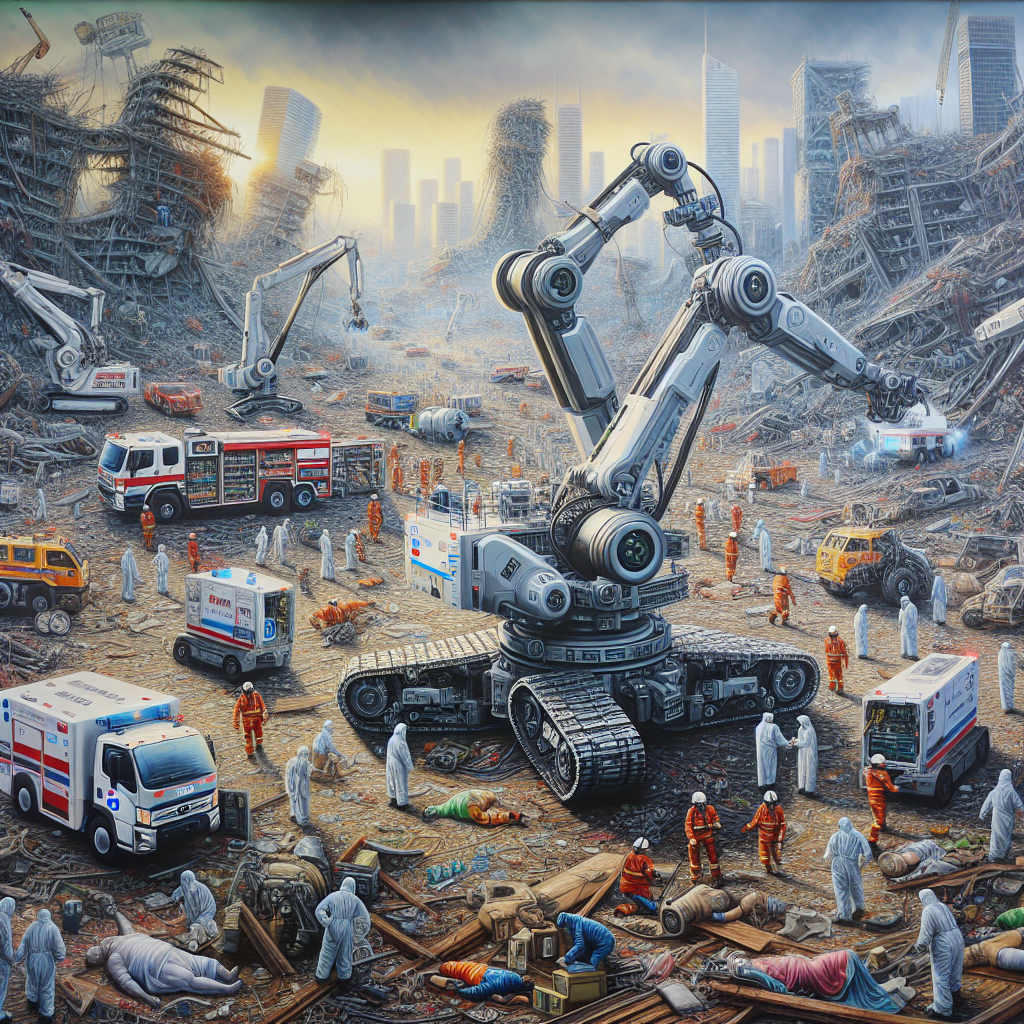
In the rapidly evolving field of engineering, mechatronics stands out as a multidisciplinary domain that integrates mechanical engineering, electronics, computer science, and control engineering. One of the most compelling and impactful applications of mechatronics is in disaster management. The importance of this application cannot be overstated, as it has the potential to save lives, mitigate damage, and expedite recovery efforts in the wake of natural and man-made disasters. This article delves into the role of mechatronics in disaster management, exploring its fundamental principles, historical development, practical applications, advanced topics, challenges, and future prospects.
Fundamentals
Basic Principles and Concepts
Mechatronics is a synergistic combination of mechanical engineering, electronics, computer science, and control systems. The primary goal is to design and create intelligent systems and products that can perform complex tasks with high efficiency and precision. In the context of disaster management, mechatronics involves the development of automated systems, robots, and sensors that can operate in hazardous environments, collect data, and perform rescue operations.
Key Terms
- Automation: The use of control systems to operate equipment with minimal or no human intervention.
- Robotics: The branch of technology that deals with the design, construction, operation, and application of robots.
- Sensors: Devices that detect and respond to changes in the environment, such as temperature, pressure, or motion.
- Control Systems: Systems that manage, command, direct, or regulate the behavior of other devices or systems.
Historical Development
Early Innovations
The concept of mechatronics emerged in the 1960s in Japan, primarily driven by the need for advanced manufacturing technologies. The term itself is a portmanteau of “mechanics” and “electronics.” Early applications were focused on industrial automation and robotics, which laid the groundwork for more complex systems.
Key Milestones
- 1970s: The development of microprocessors and microcontrollers revolutionized control systems, making them more efficient and versatile.
- 1980s: The integration of computer-aided design (CAD) and computer-aided manufacturing (CAM) systems streamlined the design and production processes.
- 1990s: The advent of advanced sensors and actuators enabled more precise and reliable robotic systems.
- 2000s: The rise of artificial intelligence (AI) and machine learning (ML) further enhanced the capabilities of mechatronic systems, making them more adaptive and intelligent.
Applications
Search and Rescue Operations
One of the most critical applications of mechatronics in disaster management is in search and rescue operations. Robots equipped with advanced sensors and cameras can navigate through rubble and debris to locate survivors. For example, the use of drones in the aftermath of earthquakes has proven invaluable in surveying affected areas and identifying trapped individuals.
Disaster Monitoring and Early Warning Systems
Mechatronic systems play a crucial role in disaster monitoring and early warning. Sensors can detect seismic activity, changes in weather patterns, or rising water levels, providing real-time data that can be used to issue timely warnings. For instance, tsunami warning systems rely on a network of sensors and buoys to detect underwater earthquakes and predict potential tsunamis.
Infrastructure Inspection and Maintenance
After a disaster, it is essential to assess the structural integrity of buildings, bridges, and other infrastructure. Mechatronic systems, such as robotic inspection devices, can perform these tasks more safely and efficiently than human inspectors. These robots can access hard-to-reach areas and provide detailed data on structural damage.
Case Studies
- Fukushima Daiichi Nuclear Disaster (2011): Robots were deployed to assess the damage and radiation levels in areas that were too dangerous for humans.
- Hurricane Harvey (2017): Drones were used extensively for aerial surveys, helping to coordinate rescue efforts and assess flood damage.
Advanced Topics
Artificial Intelligence and Machine Learning
Recent advancements in AI and ML have significantly enhanced the capabilities of mechatronic systems in disaster management. These technologies enable robots to learn from their environment, adapt to new situations, and make decisions autonomously. For example, AI algorithms can analyze data from multiple sensors to identify patterns and predict potential hazards.
Swarm Robotics
Swarm robotics involves the use of multiple robots that work together to perform complex tasks. This approach is particularly useful in disaster scenarios where a single robot may not be sufficient. Swarm robots can cover larger areas, share information, and coordinate their actions to achieve common goals.
Internet of Things (IoT)
The integration of IoT with mechatronic systems has opened new avenues for disaster management. IoT devices can collect and transmit data in real-time, providing a comprehensive view of the disaster scenario. This data can be used to make informed decisions and coordinate response efforts more effectively.
Challenges and Considerations
Technical Challenges
Despite the advancements, several technical challenges remain. These include the development of robust and reliable sensors, the need for real-time data processing, and the creation of autonomous systems that can operate in unpredictable environments. Additionally, ensuring the durability and resilience of mechatronic systems in harsh conditions is a significant concern.
Ethical and Social Considerations
The deployment of mechatronic systems in disaster management also raises ethical and social considerations. Issues such as data privacy, the potential loss of jobs, and the ethical implications of autonomous decision-making need to be addressed. Public acceptance and trust in these technologies are crucial for their successful implementation.
Potential Solutions
- Research and Development: Continued investment in R&D is essential to overcome technical challenges and develop more advanced mechatronic systems.
- Regulations and Standards: Establishing clear regulations and standards can help address ethical and social concerns, ensuring the responsible use of these technologies.
- Public Awareness: Educating the public about the benefits and limitations of mechatronic systems in disaster management can foster acceptance and trust.
Conclusion
Mechatronics has emerged as a vital field in disaster management, offering innovative solutions that can save lives, reduce damage, and expedite recovery efforts. From search and rescue operations to disaster monitoring and infrastructure inspection, the applications of mechatronics are diverse and impactful. While there are challenges to overcome, the continued advancement of technologies such as AI, swarm robotics, and IoT holds great promise for the future. As we move forward, it is essential to address technical, ethical, and social considerations to fully harness the potential of mechatronics in disaster management. In doing so, we can create a safer and more resilient world, better equipped to handle the challenges posed by natural and man-made disasters.