Future Trends in Mechatronics
Introduction
Mechatronics, an interdisciplinary field that combines mechanical engineering, electronics, computer science, and control engineering, has become a cornerstone of modern engineering. Its importance lies in its ability to create smarter, more efficient systems that can perform complex tasks with high precision. From robotics and automation to advanced manufacturing and smart systems, mechatronics is driving innovation across various industries. As technology continues to evolve, understanding the future trends in mechatronics is crucial for engineers, researchers, and industry professionals who aim to stay ahead in this dynamic field.
Fundamentals
At its core, mechatronics integrates multiple engineering disciplines to design and create intelligent systems. The basic principles of mechatronics include:
- Mechanical Systems: The physical components and structures that form the backbone of any mechatronic system.
- Electronics: The circuitry and electronic components that control and power the mechanical systems.
- Control Systems: Algorithms and software that manage the behavior of the system, ensuring it operates as intended.
- Computer Science: The programming and data processing capabilities that enable advanced functionalities and decision-making processes.
Key terms in mechatronics include:
- Actuators: Devices that convert electrical signals into physical movement.
- Sensors: Components that detect changes in the environment and provide feedback to the control system.
- Microcontrollers: Small computing devices that manage the operations of the mechatronic system.
- Embedded Systems: Specialized computing systems that are integrated into larger mechanical or electronic systems.
Historical Development
The concept of mechatronics dates back to the 1960s when the term was first coined by the Japanese company Yaskawa Electric Corporation. Initially, it referred to the integration of mechanical and electronic systems. Over the decades, the field has expanded to include computer science and control engineering, leading to the development of more sophisticated and intelligent systems.
Key milestones in the development of mechatronics include:
- 1960s: The term “mechatronics” is coined, and early applications focus on simple automation and control systems.
- 1980s: The advent of microprocessors and microcontrollers revolutionizes mechatronics, enabling more complex and precise control systems.
- 1990s: The rise of computer-aided design (CAD) and computer-aided manufacturing (CAM) enhances the design and production of mechatronic systems.
- 2000s: Advances in robotics, artificial intelligence (AI), and machine learning (ML) further expand the capabilities of mechatronic systems.
- 2010s: The integration of the Internet of Things (IoT) and smart technologies leads to the development of interconnected and autonomous systems.
Notable figures in the field of mechatronics include:
- Masahiro Mori: A pioneer in robotics and mechatronics, known for his work on the “uncanny valley” theory.
- Hiroshi Ishiguro: A leading researcher in humanoid robotics and intelligent systems.
- Rodney Brooks: A prominent figure in AI and robotics, known for his work on behavior-based robotics.
Applications
Mechatronics has a wide range of practical applications across various industries, including:
Manufacturing
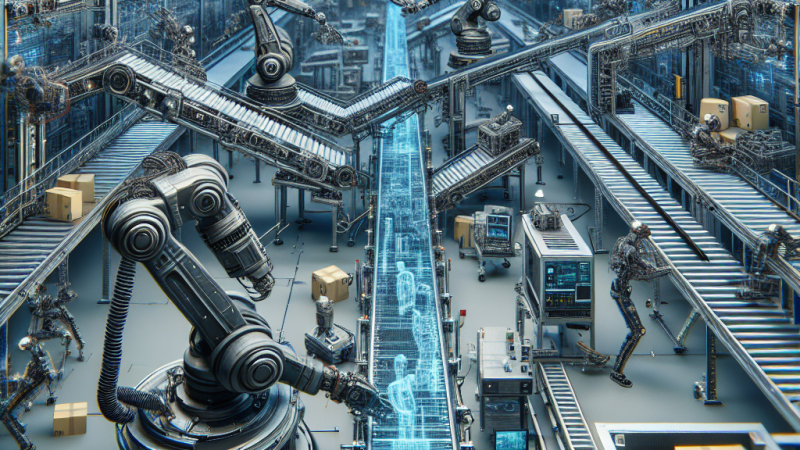
In the manufacturing sector, mechatronics plays a crucial role in automation and process optimization. Examples include:
- Robotic Arms: Used for tasks such as welding, painting, and assembly, robotic arms enhance precision and efficiency.
- Automated Guided Vehicles (AGVs): These vehicles transport materials within factories, reducing the need for manual labor and increasing productivity.
- Smart Factories: Integrating IoT and AI, smart factories use mechatronic systems to monitor and optimize production processes in real-time.
Healthcare
In healthcare, mechatronics is transforming medical devices and procedures. Examples include:
- Surgical Robots: Systems like the da Vinci Surgical System enable minimally invasive surgeries with high precision.
- Prosthetics: Advanced prosthetic limbs use sensors and actuators to mimic natural movement, improving the quality of life for amputees.
- Medical Imaging: Mechatronic systems enhance the accuracy and capabilities of imaging technologies such as MRI and CT scans.
Automotive
The automotive industry leverages mechatronics for various applications, including:
- Autonomous Vehicles: Self-driving cars use a combination of sensors, control systems, and AI to navigate and operate without human intervention.
- Advanced Driver Assistance Systems (ADAS): Features like adaptive cruise control, lane-keeping assist, and automatic emergency braking enhance vehicle safety and performance.
- Electric Vehicles (EVs): Mechatronic systems manage the powertrain, battery management, and regenerative braking in EVs.
Advanced Topics
As mechatronics continues to evolve, several advanced concepts and trends are shaping the future of the field:
Artificial Intelligence and Machine Learning
AI and ML are increasingly being integrated into mechatronic systems to enhance their capabilities. Examples include:
- Predictive Maintenance: Using AI algorithms, mechatronic systems can predict when maintenance is needed, reducing downtime and costs.
- Adaptive Control Systems: ML enables control systems to learn and adapt to changing conditions, improving performance and efficiency.
- Autonomous Decision-Making: AI-powered systems can make real-time decisions based on sensor data, enabling greater autonomy and flexibility.
Internet of Things (IoT)
The IoT is revolutionizing mechatronics by enabling interconnected systems that communicate and collaborate. Examples include:
- Smart Grids: IoT-enabled mechatronic systems optimize energy distribution and consumption in power grids.
- Connected Vehicles: Vehicles equipped with IoT devices can communicate with each other and infrastructure, enhancing safety and traffic management.
- Industrial IoT (IIoT): In manufacturing, IIoT connects machines and systems, enabling real-time monitoring and optimization of production processes.
Human-Robot Interaction (HRI)
Advances in HRI are making it possible for humans and robots to work together more effectively. Examples include:
- Collaborative Robots (Cobots): Designed to work alongside humans, cobots enhance productivity and safety in various industries.
- Wearable Robotics: Exoskeletons and other wearable devices assist workers in performing physically demanding tasks, reducing fatigue and injury.
- Social Robots: Robots designed for social interaction are being used in healthcare, education, and customer service to provide assistance and companionship.
Challenges and Considerations
Despite its many advantages, mechatronics faces several challenges and considerations:
Complexity and Integration
The integration of multiple engineering disciplines can lead to complex systems that are difficult to design, implement, and maintain. Solutions include:
- Standardization: Developing standardized protocols and interfaces can simplify integration and improve compatibility between components.
- Modular Design: Using modular components allows for easier upgrades and maintenance, reducing complexity.
Cost and Accessibility
The development and implementation of advanced mechatronic systems can be expensive, limiting accessibility for smaller companies and developing regions. Solutions include:
- Open-Source Platforms: Leveraging open-source hardware and software can reduce costs and promote innovation.
- Collaborative Research: Partnerships between academia, industry, and government can pool resources and expertise to drive advancements in mechatronics.
Ethical and Social Implications
The increasing autonomy and capabilities of mechatronic systems raise ethical and social concerns, such as job displacement and privacy issues. Solutions include:
- Regulation and Policy: Developing regulations and policies that address ethical concerns and promote responsible use of mechatronic technologies.
- Public Engagement: Engaging with the public to raise awareness and address concerns about the impact of mechatronics on society.
Conclusion
Mechatronics is a rapidly evolving field that is driving innovation across various industries. By integrating mechanical engineering, electronics, computer science, and control engineering, mechatronics creates intelligent systems that enhance efficiency, precision, and functionality. Understanding the future trends in mechatronics, such as AI, IoT, and HRI, is crucial for staying ahead in this dynamic field. While challenges such as complexity, cost, and ethical considerations exist, ongoing research and collaboration are paving the way for continued advancements in mechatronics. As technology continues to evolve, the importance of mechatronics in engineering will only grow, making it a vital area of study and application for future engineers and industry professionals.