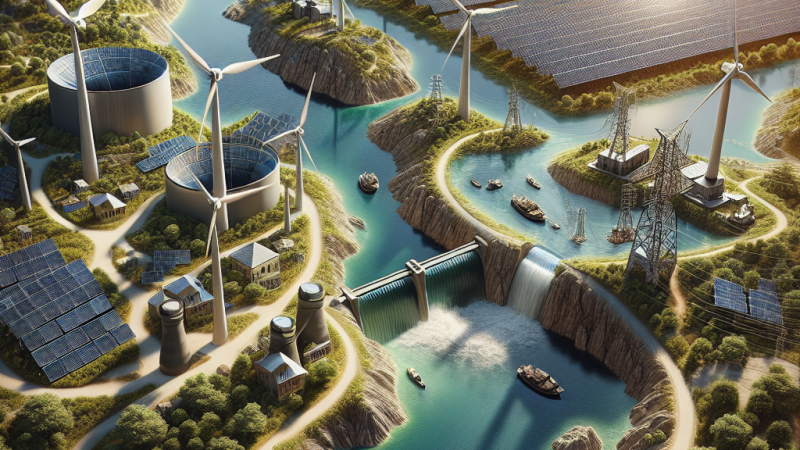
Innovations in Renewable Energy
Introduction
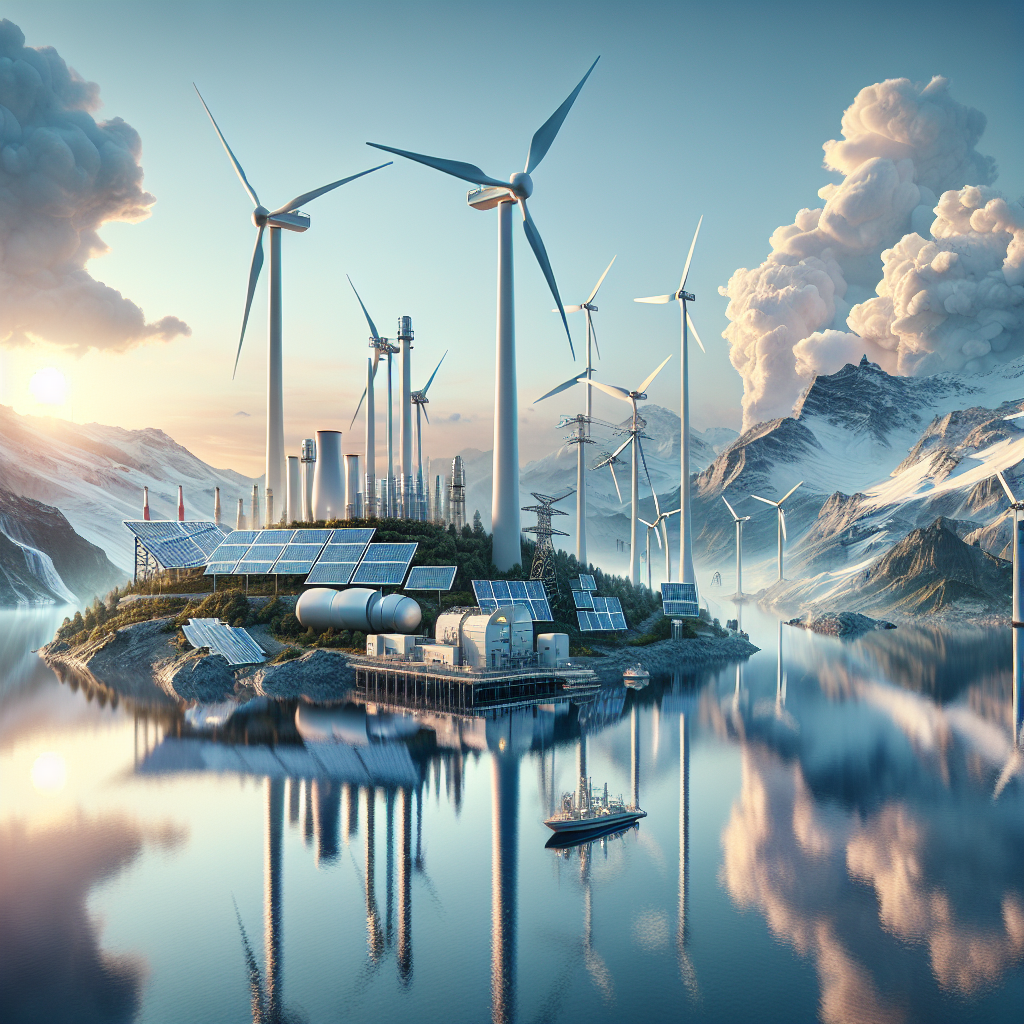
Renewable energy has emerged as a cornerstone in the quest for sustainable development and environmental conservation. As the world grapples with the adverse effects of climate change and the depletion of fossil fuels, the importance of renewable energy in engineering cannot be overstated. This field encompasses a variety of technologies designed to harness energy from natural, inexhaustible sources such as the sun, wind, and water. Innovations in renewable energy are not only crucial for reducing greenhouse gas emissions but also for ensuring energy security and creating economic opportunities. This article delves into the various aspects of renewable energy innovations, exploring their fundamentals, historical development, applications, advanced topics, challenges, and future prospects.
Fundamentals
Basic Principles and Concepts
Renewable energy refers to energy derived from natural processes that are replenished constantly. Unlike fossil fuels, which are finite and contribute to environmental degradation, renewable energy sources are sustainable and have a minimal environmental impact. The primary sources of renewable energy include:
- Solar Energy: Energy harnessed from the sun using photovoltaic cells or solar thermal systems.
- Wind Energy: Energy generated from wind using turbines.
- Hydropower: Energy produced from the movement of water, typically through dams.
- Biomass: Energy derived from organic materials such as plant and animal waste.
- Geothermal Energy: Energy harnessed from the heat within the Earth.
Key Terms and Theories
Several key terms and theories are fundamental to understanding renewable energy:
- Photovoltaic Effect: The process by which solar cells convert sunlight into electricity.
- Betz’s Law: A theory that describes the maximum possible energy that can be extracted from wind, which is approximately 59.3% of the wind’s kinetic energy.
- Energy Payback Time (EPBT): The time required for a renewable energy system to generate the amount of energy that was used to produce it.
- Levelized Cost of Energy (LCOE): A measure of the average cost per unit of electricity generated, accounting for the total lifecycle costs of the energy system.
Historical Development
Early Innovations
The use of renewable energy dates back centuries, with early civilizations harnessing wind and water for mechanical tasks such as grinding grain and pumping water. The development of the first windmills in Persia around 500-900 AD and water wheels in ancient Greece and Rome are notable early milestones.
Modern Era
The modern era of renewable energy began in the late 19th and early 20th centuries. Key milestones include:
- 1887: James Blyth, a Scottish professor, built the first wind turbine to generate electricity.
- 1954: Bell Labs developed the first practical photovoltaic cell, marking a significant advancement in solar energy technology.
- 1970s: The oil crisis spurred interest in alternative energy sources, leading to increased research and development in renewable energy technologies.
- 1990s: The Kyoto Protocol highlighted the need for reducing greenhouse gas emissions, further accelerating the adoption of renewable energy.
Notable Figures
Several individuals have made significant contributions to the field of renewable energy:
- Albert Einstein: Awarded the Nobel Prize in Physics in 1921 for his discovery of the photoelectric effect, which is fundamental to photovoltaic technology.
- James Blyth: Pioneer in wind energy, built the first wind turbine for electricity generation.
- Frank Shuman: An American inventor who built one of the first solar thermal power stations in Egypt in 1913.
Applications
Industrial Applications
Renewable energy technologies have found widespread applications across various industries:
- Manufacturing: Solar panels and wind turbines are increasingly used to power manufacturing plants, reducing reliance on fossil fuels and lowering carbon footprints.
- Agriculture: Solar-powered irrigation systems and biomass energy are used to enhance agricultural productivity and sustainability.
- Transportation: Electric vehicles (EVs) powered by renewable energy sources are gaining popularity as a means to reduce emissions and dependence on oil.
Case Studies
Several case studies highlight the successful implementation of renewable energy technologies:
- Denmark: Denmark is a global leader in wind energy, with wind turbines supplying over 40% of the country’s electricity needs.
- Germany: Germany’s Energiewende (energy transition) policy has led to significant investments in solar and wind energy, making the country a pioneer in renewable energy adoption.
- California, USA: California has implemented ambitious renewable energy targets, with solar power playing a crucial role in meeting the state’s energy demands.
Advanced Topics
Recent Research and Innovations
Recent advancements in renewable energy technologies are paving the way for more efficient and cost-effective solutions:
- Perovskite Solar Cells: These next-generation solar cells offer higher efficiency and lower production costs compared to traditional silicon-based cells.
- Floating Wind Turbines: Innovations in floating wind turbine technology are enabling the harnessing of wind energy in deep-water locations, where traditional turbines are not feasible.
- Energy Storage: Advances in battery technology, such as lithium-ion and solid-state batteries, are addressing the intermittency issues associated with renewable energy sources.
Future Trends
The future of renewable energy is promising, with several emerging trends set to shape the industry:
- Green Hydrogen: Produced using renewable energy, green hydrogen is poised to become a key player in decarbonizing sectors such as heavy industry and transportation.
- Smart Grids: The integration of smart grid technology will enhance the efficiency and reliability of renewable energy systems, enabling better management of energy supply and demand.
- Artificial Intelligence (AI): AI and machine learning are being used to optimize the performance and maintenance of renewable energy systems, leading to increased efficiency and reduced costs.
Challenges and Considerations
Technical Challenges
Despite the numerous benefits, renewable energy technologies face several technical challenges:
- Intermittency: The variable nature of solar and wind energy necessitates the development of efficient energy storage solutions.
- Grid Integration: Integrating renewable energy into existing power grids requires significant upgrades and investments in infrastructure.
- Resource Availability: The availability of renewable resources varies by location, affecting the feasibility and efficiency of certain technologies.
Economic and Policy Considerations
Economic and policy factors also play a crucial role in the adoption of renewable energy:
- Cost: While the cost of renewable energy technologies has decreased significantly, initial investment costs can still be a barrier for widespread adoption.
- Policy Support: Government policies and incentives are essential for promoting renewable energy development and addressing market barriers.
- Public Acceptance: Gaining public support for renewable energy projects is crucial, particularly in cases where land use and environmental impacts are concerns.
Potential Solutions
Several strategies can help address these challenges:
- Research and Development: Continued investment in R&D is essential for advancing renewable energy technologies and reducing costs.
- Policy Frameworks: Implementing supportive policies, such as subsidies, tax incentives, and renewable energy mandates, can drive adoption and investment.
- Public Engagement: Educating and involving communities in renewable energy projects can enhance public acceptance and support.
Conclusion
Innovations in renewable energy are transforming the landscape of energy production and consumption, offering sustainable solutions to some of the world’s most pressing challenges. From the early use of windmills and water wheels to the development of advanced solar cells and floating wind turbines, the field has come a long way. The practical applications of renewable energy span various industries, contributing to economic growth, environmental conservation, and energy security. While challenges remain, ongoing research, supportive policies, and public engagement are paving the way for a renewable energy future. As engineers and innovators continue to push the boundaries of what is possible, the importance of renewable energy in engineering will only grow, driving us towards a more sustainable and resilient world.