Advanced Technologies in Renewable Energy
Introduction
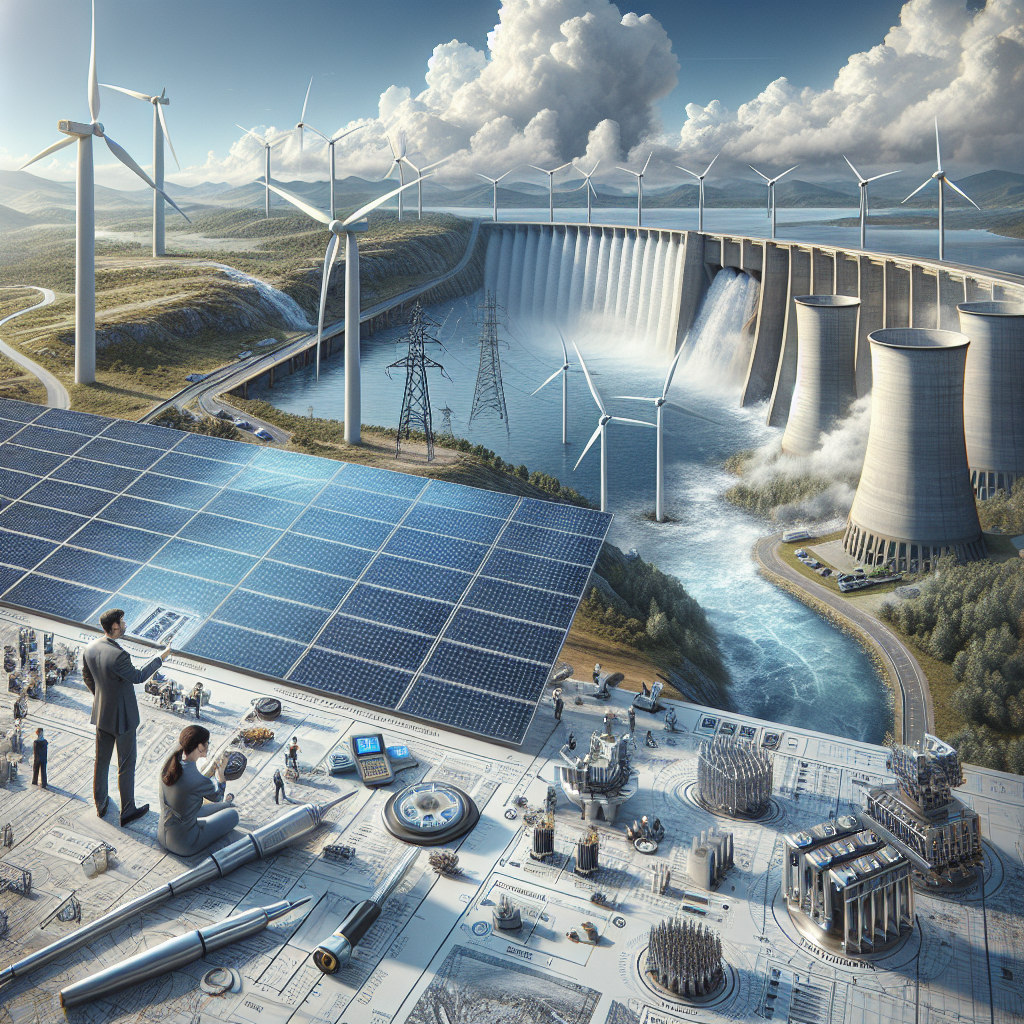
Renewable energy has emerged as a cornerstone in the quest for sustainable development and environmental preservation. As the world grapples with the adverse effects of climate change and the depletion of fossil fuels, the importance of renewable energy technologies cannot be overstated. In the field of engineering, advanced technologies in renewable energy are pivotal for creating efficient, cost-effective, and scalable solutions to meet the growing energy demands. This article delves into the various aspects of advanced technologies in renewable energy, highlighting their significance, underlying principles, historical development, practical applications, advanced topics, challenges, and future prospects.
Fundamentals
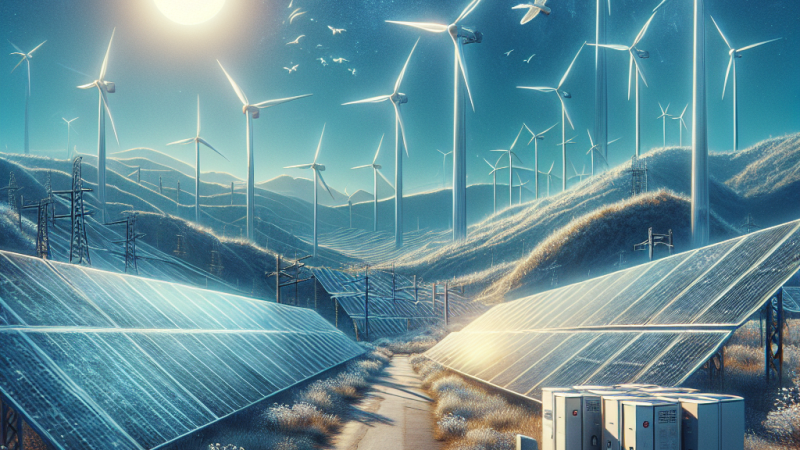
Renewable energy refers to energy derived from natural sources that are replenished on a human timescale, such as sunlight, wind, rain, tides, waves, and geothermal heat. The basic principles of renewable energy technologies revolve around harnessing these natural resources to generate electricity, heat, or mechanical power.
Key Terms and Definitions
- Photovoltaics (PV): A method of converting sunlight directly into electricity using semiconductor materials.
- Wind Turbines: Devices that convert the kinetic energy of wind into mechanical power, which can then be converted into electricity.
- Biomass: Organic material that comes from plants and animals, and it is a renewable source of energy when used for fuel.
- Geothermal Energy: Heat derived from the earth’s internal heat sources, used for electricity generation and direct heating applications.
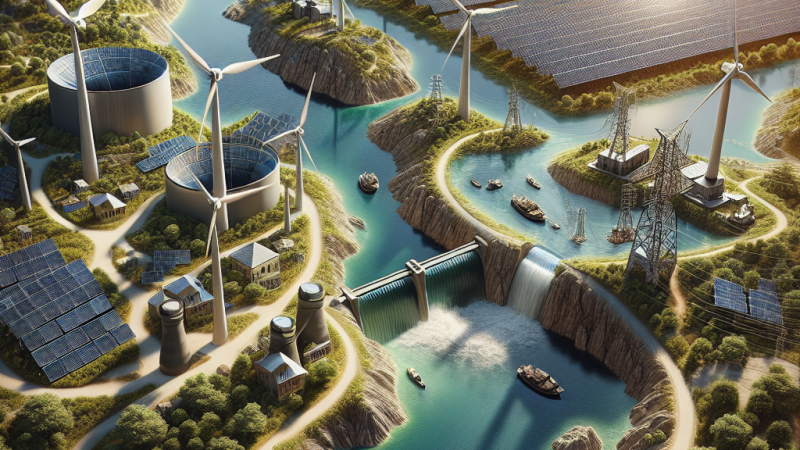
- Hydropower: The use of water flow to generate electricity, typically through dams or run-of-the-river systems.
Theories and Concepts
Several theories underpin the development and optimization of renewable energy technologies:
- Energy Conversion Efficiency: The ratio of useful energy output to the total energy input, crucial for evaluating the performance of renewable energy systems.
- Maximum Power Point Tracking (MPPT): A technique used in photovoltaic systems to maximize the power output by adjusting the electrical operating point of the modules.
- Betz’s Law: A principle that defines the maximum possible energy that can be extracted from the wind by a wind turbine, which is approximately 59.3% of the total kinetic energy.
Historical Development
The journey of renewable energy technologies has been marked by significant milestones and contributions from various pioneers in the field.
Early Innovations
The use of renewable energy dates back to ancient civilizations. For instance, windmills were used in Persia as early as 500-900 AD for grinding grain and pumping water. Similarly, water wheels were employed by the Greeks and Romans for mechanical tasks.
20th Century Advancements
The 20th century witnessed substantial advancements in renewable energy technologies:
- 1954: The first practical photovoltaic cell was developed by Bell Labs, marking a significant breakthrough in solar energy.
- 1970s: The oil crisis spurred interest in alternative energy sources, leading to increased research and development in wind and solar technologies.
- 1980s: The first large-scale wind farms were established in California, demonstrating the commercial viability of wind energy.
Recent Developments
In recent decades, advancements in materials science, engineering, and digital technologies have propelled renewable energy technologies to new heights. Innovations such as perovskite solar cells, floating wind turbines, and advanced biofuels have significantly enhanced the efficiency and scalability of renewable energy systems.
Applications
Renewable energy technologies have found applications across various industries and sectors, contributing to sustainable development and energy security.
Residential and Commercial Buildings
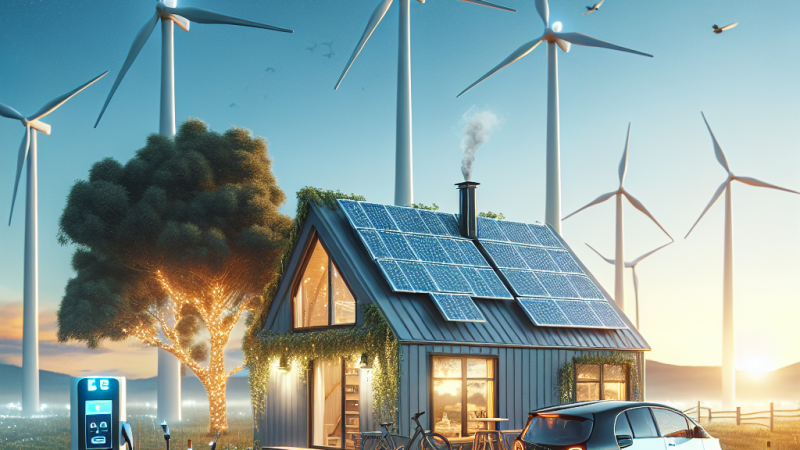
Solar panels and small wind turbines are increasingly being installed on residential and commercial buildings to provide clean, renewable electricity. Solar water heaters and geothermal heat pumps are also used for space heating and cooling.
Industrial Applications
Industries are adopting renewable energy technologies to reduce their carbon footprint and energy costs. For example, biomass is used in the paper and pulp industry for cogeneration, while solar thermal systems are employed in food processing and chemical manufacturing.
Transportation
Biofuels, such as ethanol and biodiesel, are being used as alternatives to conventional fossil fuels in transportation. Electric vehicles (EVs) powered by renewable energy sources are also gaining traction as a sustainable transportation solution.
Case Studies
Several case studies highlight the successful implementation of renewable energy technologies:
- Denmark: Denmark has become a global leader in wind energy, with wind turbines supplying over 40% of the country’s electricity needs.
- Germany: Germany’s Energiewende (energy transition) initiative has led to significant investments in solar and wind energy, making the country a pioneer in renewable energy adoption.
- India: The world’s largest solar park, Bhadla Solar Park, is located in India, with a capacity of over 2,245 MW, showcasing the potential of large-scale solar energy projects.
Advanced Topics
The field of renewable energy is continually evolving, with ongoing research and innovations driving the development of advanced technologies.
Perovskite Solar Cells
Perovskite solar cells have emerged as a promising alternative to traditional silicon-based solar cells. These cells offer high efficiency, low production costs, and flexibility, making them suitable for various applications, including building-integrated photovoltaics (BIPV) and portable solar devices.
Floating Wind Turbines
Floating wind turbines are designed to harness wind energy in deep-water locations where traditional fixed-bottom turbines are not feasible. These turbines are anchored to the seabed using mooring lines, allowing them to capture stronger and more consistent winds offshore.
Advanced Biofuels
Second-generation and third-generation biofuels, derived from non-food biomass and algae, respectively, offer higher energy yields and lower environmental impacts compared to traditional biofuels. These advanced biofuels have the potential to revolutionize the transportation sector by providing sustainable alternatives to fossil fuels.
Energy Storage Solutions
Energy storage technologies, such as lithium-ion batteries, flow batteries, and hydrogen storage, are critical for addressing the intermittency of renewable energy sources. These solutions enable the storage of excess energy generated during peak production periods for use during periods of low production.
Challenges and Considerations
Despite the significant advancements in renewable energy technologies, several challenges and considerations need to be addressed to ensure their widespread adoption and effectiveness.
Intermittency and Reliability
Renewable energy sources, such as solar and wind, are inherently intermittent and dependent on weather conditions. This intermittency poses challenges for grid stability and reliability. Advanced forecasting techniques, grid integration strategies, and energy storage solutions are essential to mitigate these challenges.
Cost and Economic Viability
While the costs of renewable energy technologies have decreased significantly over the years, initial capital investments can still be high. Economic incentives, subsidies, and innovative financing models are crucial to making renewable energy projects financially viable.
Environmental and Social Impacts
The deployment of renewable energy technologies can have environmental and social impacts. For example, large-scale wind farms may affect bird populations, while hydropower projects can disrupt aquatic ecosystems. Comprehensive environmental impact assessments and community engagement are necessary to address these concerns.
Policy and Regulatory Frameworks
Supportive policy and regulatory frameworks are essential for the growth of renewable energy technologies. Governments need to implement policies that promote research and development, provide incentives for renewable energy adoption, and ensure fair market access for renewable energy producers.
Conclusion
Advanced technologies in renewable energy are at the forefront of the global transition towards a sustainable and low-carbon future. From solar and wind to biofuels and geothermal energy, these technologies offer viable solutions to meet the world’s growing energy demands while mitigating the impacts of climate change. Despite the challenges, ongoing research, innovation, and supportive policies are driving the development and adoption of renewable energy technologies. As engineers and researchers continue to push the boundaries of what is possible, the future of renewable energy looks promising, with the potential to transform the way we generate, store, and consume energy.