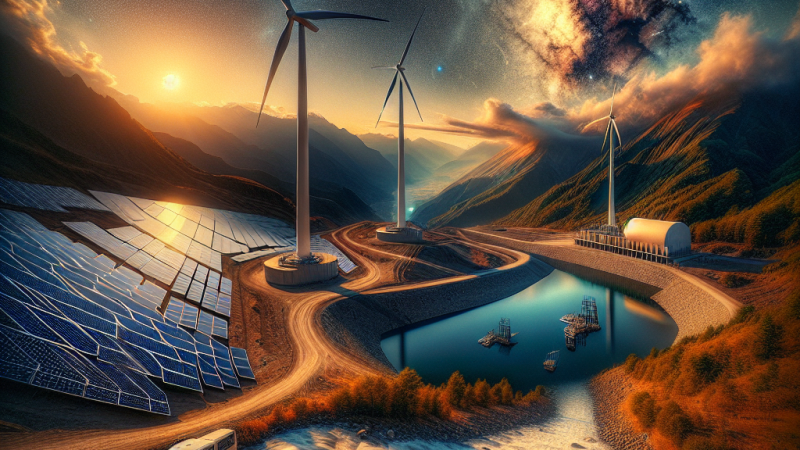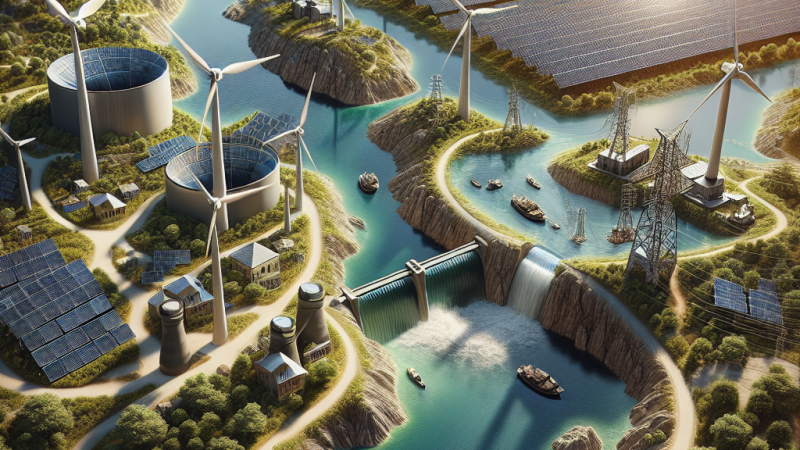
Renewable Energy in Smart Grids
Introduction
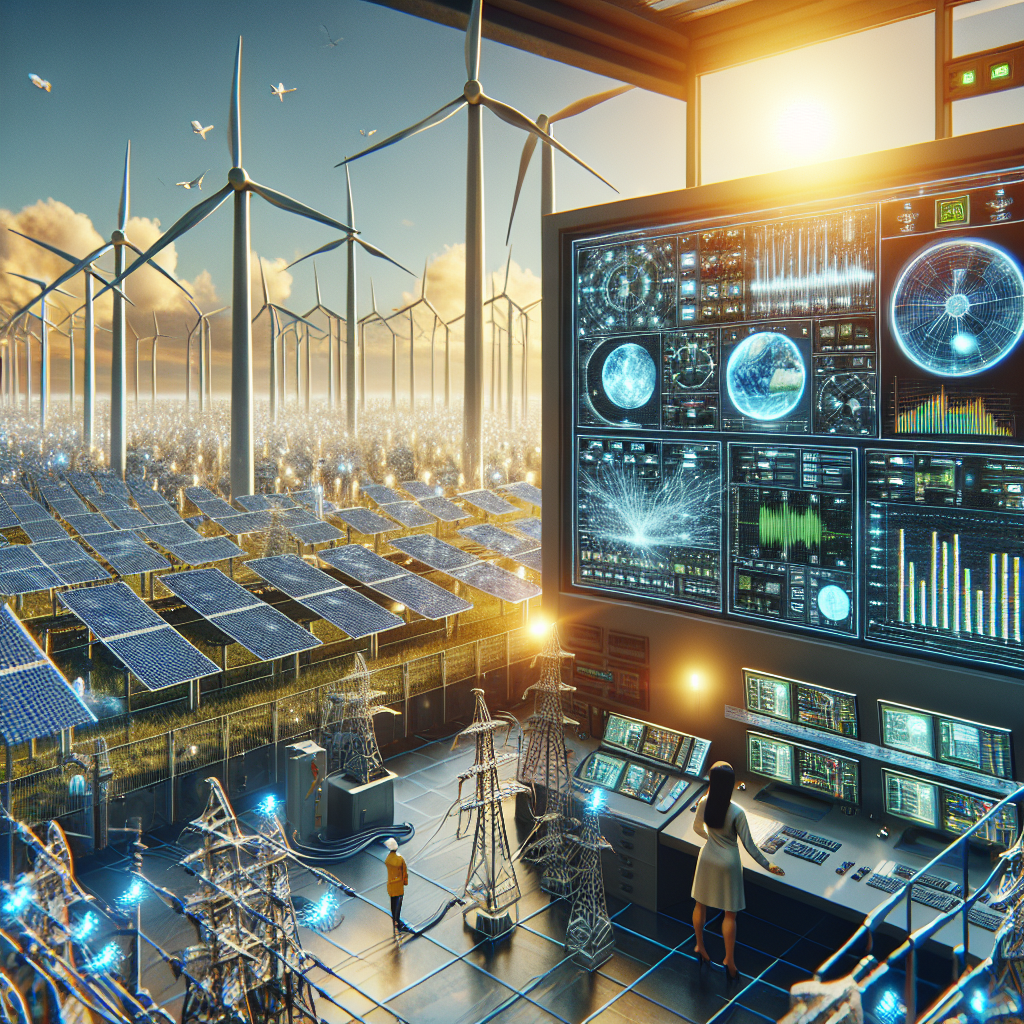
Renewable energy has become a cornerstone in the quest for sustainable development, driven by the urgent need to mitigate climate change and reduce dependency on fossil fuels. In this context, smart grids have emerged as a revolutionary concept in the field of engineering, offering a sophisticated and efficient way to manage and distribute renewable energy. Smart grids integrate advanced communication, control, and automation technologies to enhance the reliability, efficiency, and sustainability of electricity networks. This article delves into the importance and relevance of renewable energy in smart grids, exploring its fundamental principles, historical development, practical applications, advanced topics, challenges, and future prospects.
Fundamentals
Basic Principles and Concepts
At its core, a smart grid is an electricity network that uses digital technology to monitor and manage the transport of electricity from all generation sources to meet the varying electricity demands of end-users. The integration of renewable energy sources such as solar, wind, hydro, and biomass into smart grids is a key aspect of modern energy systems.
Key Terms
- Distributed Generation (DG): The production of electricity from many small energy sources close to the point of use, rather than centralized generation.
- Demand Response (DR): Mechanisms to adjust the demand for power instead of adjusting the supply.
- Microgrid: A localized group of electricity sources and loads that can operate independently from the traditional grid.
- Energy Storage Systems (ESS): Technologies that store energy for later use, crucial for balancing supply and demand in renewable energy systems.
- Advanced Metering Infrastructure (AMI): Systems that measure, collect, and analyze energy usage, and communicate with metering devices such as smart meters.
Historical Development
The concept of smart grids has evolved over several decades, driven by technological advancements and the growing need for sustainable energy solutions. The development of smart grids can be traced back to the late 20th century when the limitations of traditional power grids became apparent.
Key Milestones
- 1970s: The energy crisis highlighted the need for more efficient energy management and the potential of renewable energy sources.
- 1990s: The advent of digital technology and the internet paved the way for advanced communication and control systems in power grids.
- 2000s: The integration of renewable energy sources gained momentum, and the term “smart grid” became widely recognized.
- 2010s: Significant investments in smart grid technologies and pilot projects demonstrated the feasibility and benefits of smart grids.
- 2020s: Ongoing innovations and research continue to enhance the capabilities and adoption of smart grids worldwide.
Notable Figures
- Nikola Tesla: Pioneered alternating current (AC) power systems, which are fundamental to modern electricity grids.
- Thomas Edison: Developed direct current (DC) power systems and contributed to the early development of electricity distribution.
- Amory Lovins: An advocate for energy efficiency and renewable energy, contributing to the conceptualization of smart grids.
Applications
Smart grids have a wide range of applications across various industries and fields, enhancing the efficiency, reliability, and sustainability of energy systems.
Residential Sector
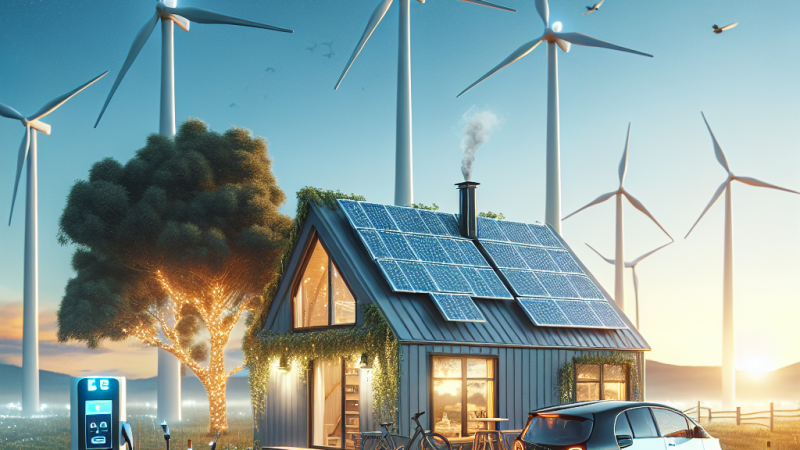
In residential areas, smart grids enable homeowners to monitor and manage their energy consumption through smart meters and home energy management systems. This not only reduces energy bills but also promotes energy conservation.
Commercial and Industrial Sectors
Businesses and industries benefit from smart grids through improved energy efficiency, reduced operational costs, and enhanced reliability. Demand response programs allow companies to adjust their energy usage during peak periods, contributing to grid stability.
Renewable Energy Integration
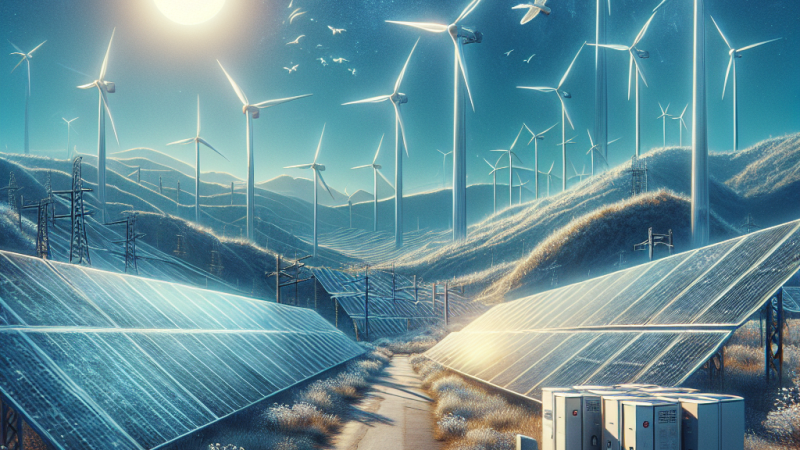
Smart grids facilitate the integration of renewable energy sources by managing the variability and intermittency of solar and wind power. Energy storage systems and advanced forecasting techniques play a crucial role in balancing supply and demand.
Electric Vehicles (EVs)
The rise of electric vehicles presents both challenges and opportunities for smart grids. Smart charging infrastructure can optimize the charging process, reduce grid strain, and even provide energy back to the grid through vehicle-to-grid (V2G) technology.
Case Studies
- California, USA: The state has implemented various smart grid projects to integrate renewable energy, enhance grid reliability, and promote energy efficiency.
- Germany: Known for its Energiewende (energy transition) policy, Germany has invested heavily in smart grid technologies to support its ambitious renewable energy targets.
- China: As the world’s largest energy consumer, China is rapidly developing smart grid infrastructure to manage its growing energy demands and integrate renewable sources.
Advanced Topics
The field of smart grids is continuously evolving, with ongoing research and innovations driving new advancements.
Artificial Intelligence (AI) and Machine Learning (ML)
AI and ML algorithms are being used to optimize grid operations, predict energy demand, and enhance the integration of renewable energy sources. These technologies enable real-time decision-making and adaptive control systems.
Blockchain Technology
Blockchain offers a decentralized and secure way to manage energy transactions, enabling peer-to-peer energy trading and enhancing transparency in the energy market.
Internet of Things (IoT)
IoT devices and sensors provide real-time data on energy consumption, grid conditions, and equipment performance. This data is crucial for predictive maintenance, fault detection, and efficient grid management.
Future Trends
- Decentralized Energy Systems: The shift towards decentralized energy systems, including microgrids and community energy projects, is expected to grow.
- Advanced Energy Storage: Innovations in energy storage technologies, such as solid-state batteries and flow batteries, will enhance the reliability and flexibility of smart grids.
- Grid Modernization: Ongoing investments in grid modernization will improve the resilience and efficiency of electricity networks.
Challenges and Considerations
Despite the numerous benefits, the implementation of smart grids faces several challenges and considerations.
Technical Challenges
- Interoperability: Ensuring compatibility between different technologies and systems is crucial for seamless grid operations.
- Cybersecurity: Protecting smart grids from cyber threats is a major concern, given the increasing reliance on digital technologies.
- Data Management: Handling the vast amounts of data generated by smart grids requires robust data management and analytics capabilities.
Economic and Regulatory Challenges
- Investment Costs: The initial investment required for smart grid infrastructure can be substantial, posing a barrier for some regions.
- Regulatory Frameworks: Developing appropriate regulatory frameworks to support smart grid deployment and operation is essential.
- Market Dynamics: The transition to smart grids may disrupt traditional energy markets, requiring new business models and market structures.
Potential Solutions
- Standardization: Developing industry standards for smart grid technologies can enhance interoperability and reduce costs.
- Public-Private Partnerships: Collaborations between governments, utilities, and private companies can facilitate investment and innovation.
- Research and Development: Continued research and development efforts are needed to address technical challenges and drive advancements in smart grid technologies.
Conclusion
Renewable energy in smart grids represents a transformative approach to modern energy systems, offering numerous benefits in terms of efficiency, reliability, and sustainability. By integrating advanced technologies and renewable energy sources, smart grids have the potential to revolutionize the way we generate, distribute, and consume electricity. However, realizing this potential requires addressing various technical, economic, and regulatory challenges. Continued research, innovation, and collaboration are essential to overcome these challenges and unlock the full potential of smart grids. As we move towards a more sustainable future, the role of renewable energy in smart grids will undoubtedly become increasingly important in the field of Renewable Energy in Engineering.