
Fundamentals of Mechatronics
Introduction
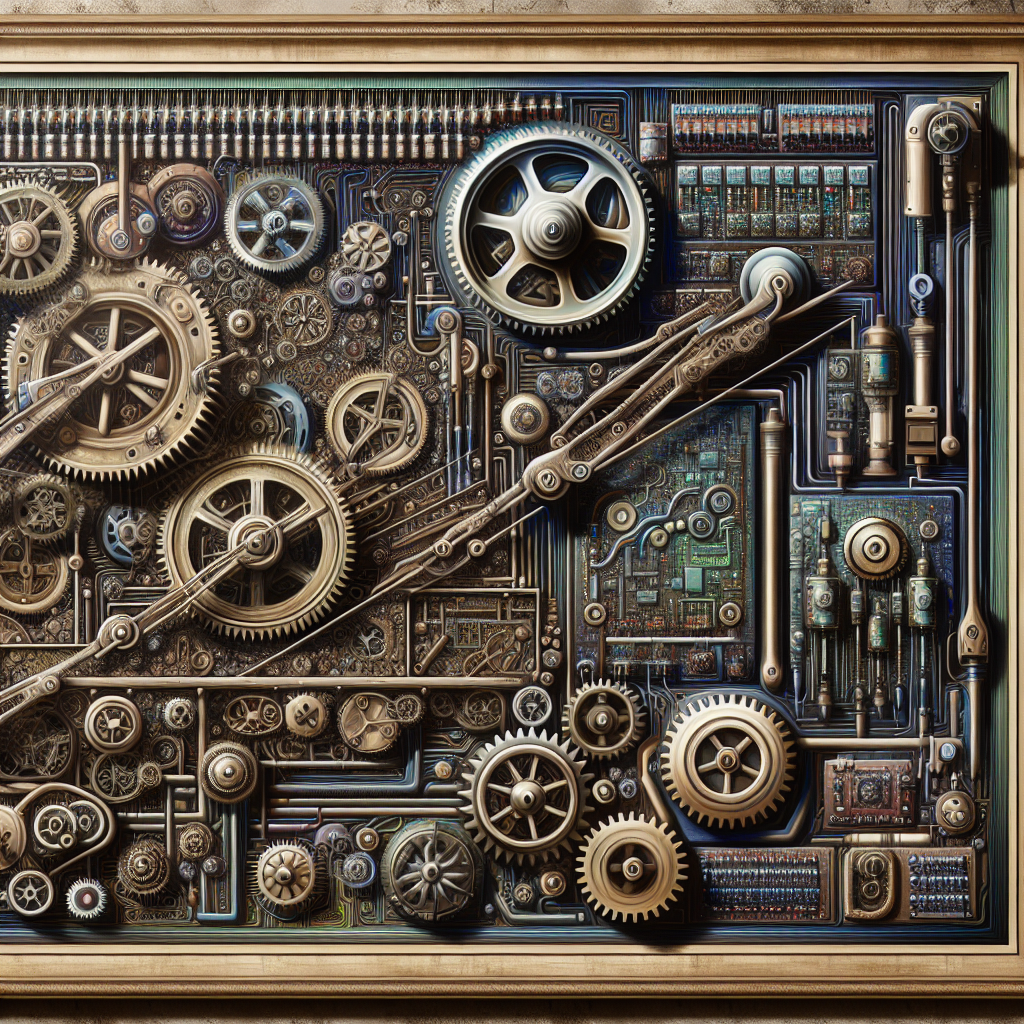
Mechatronics is an interdisciplinary field that combines mechanical engineering, electronics, computer science, and control engineering to design and create intelligent systems and products. The term “mechatronics” was first coined in Japan in the 1960s, and since then, it has become a cornerstone of modern engineering. The importance of mechatronics lies in its ability to integrate various engineering disciplines to develop innovative solutions that improve efficiency, functionality, and performance in a wide range of applications. From industrial automation to consumer electronics, mechatronics plays a crucial role in advancing technology and enhancing the quality of life.
Fundamentals
Basic Principles and Concepts
At its core, mechatronics involves the synergistic integration of mechanical systems, electronic systems, control systems, and computer systems. The goal is to create more functional and adaptable products and processes. Here are some key principles and concepts in mechatronics:
- Mechanical Systems: These include the physical components and structures that make up a device or system. Examples include gears, motors, and linkages.
- Electronic Systems: These involve the use of electronic components such as sensors, actuators, and microcontrollers to control and monitor mechanical systems.
- Control Systems: These are algorithms and methods used to manage the behavior of a system. Control systems can be open-loop or closed-loop, with feedback mechanisms to ensure desired performance.
- Computer Systems: These involve the use of software and hardware to process data, execute control algorithms, and interface with other system components.
Key Terms
- Actuator: A device that converts electrical signals into physical movement.
- Sensor: A device that detects changes in the environment and sends information to other system components.
- Microcontroller: A compact integrated circuit designed to govern a specific operation in an embedded system.
- PID Controller: A control loop mechanism employing proportional, integral, and derivative actions to maintain a desired output.
Historical Development
The development of mechatronics can be traced back to the early 20th century, with significant advancements occurring in the latter half of the century. Here are some key milestones:
- 1960s: The term “mechatronics” was coined by Tetsuro Mori, an engineer at Yaskawa Electric Corporation in Japan. The initial focus was on integrating mechanical and electronic systems.
- 1970s: The field began to expand with the advent of microprocessors and microcontrollers, enabling more sophisticated control systems.
- 1980s: The rise of computer-aided design (CAD) and computer-aided manufacturing (CAM) further propelled the integration of various engineering disciplines.
- 1990s: The development of advanced sensors and actuators, along with improvements in software and algorithms, led to more complex and capable mechatronic systems.
- 2000s and Beyond: The proliferation of the Internet of Things (IoT), artificial intelligence (AI), and machine learning has opened new frontiers for mechatronics, enabling smarter and more autonomous systems.
Applications
Mechatronics has a wide range of applications across various industries. Here are some notable examples:
Industrial Automation
In manufacturing, mechatronics is used to design and implement automated systems that improve efficiency, precision, and safety. Examples include robotic arms for assembly lines, automated guided vehicles (AGVs) for material handling, and CNC machines for precision machining.
Automotive Industry
Modern vehicles are equipped with numerous mechatronic systems, such as anti-lock braking systems (ABS), electronic stability control (ESC), and advanced driver-assistance systems (ADAS). These systems enhance vehicle performance, safety, and driver comfort.
Consumer Electronics
Mechatronics plays a crucial role in the development of consumer electronics, such as smartphones, cameras, and home appliances. These devices rely on the integration of mechanical components, electronic circuits, and software to deliver advanced functionalities.
Medical Devices
In the medical field, mechatronics is used to develop sophisticated diagnostic and therapeutic devices. Examples include robotic surgical systems, automated drug delivery systems, and advanced imaging equipment.
Aerospace and Defense
Mechatronic systems are essential in aerospace and defense applications, where precision, reliability, and performance are critical. Examples include unmanned aerial vehicles (UAVs), missile guidance systems, and advanced avionics.
Advanced Topics
Recent Research and Innovations
Recent advancements in mechatronics are driven by emerging technologies such as artificial intelligence (AI), machine learning, and the Internet of Things (IoT). These technologies enable the development of smarter and more autonomous systems. For example, AI algorithms can be used to optimize control strategies, while IoT devices can provide real-time data for predictive maintenance.
Future Trends
The future of mechatronics is likely to be shaped by several key trends:
- Increased Autonomy: The development of autonomous systems, such as self-driving cars and drones, will continue to be a major focus in mechatronics research.
- Human-Machine Interaction: Advances in human-machine interfaces (HMIs) will enable more intuitive and seamless interactions between humans and machines.
- Miniaturization: The trend towards smaller and more compact devices will drive innovations in micro-mechatronics and nano-mechatronics.
- Sustainability: There will be a growing emphasis on developing sustainable and energy-efficient mechatronic systems.
Challenges and Considerations
Technical Challenges
Developing mechatronic systems involves several technical challenges, such as:
- Integration: Ensuring seamless integration of mechanical, electronic, and software components can be complex and requires careful design and testing.
- Reliability: Mechatronic systems must be highly reliable, especially in critical applications such as medical devices and aerospace systems.
- Cost: Developing advanced mechatronic systems can be expensive, and cost-effective solutions are needed to make these technologies accessible.
Potential Solutions
Addressing these challenges requires a multidisciplinary approach and collaboration between engineers from different fields. Some potential solutions include:
- Standardization: Developing standardized protocols and interfaces can facilitate the integration of different system components.
- Modular Design: Using modular design principles can enhance the flexibility and scalability of mechatronic systems.
- Advanced Testing: Implementing advanced testing and validation techniques can improve the reliability and performance of mechatronic systems.
Conclusion
Mechatronics is a dynamic and rapidly evolving field that plays a crucial role in modern engineering. By integrating mechanical, electronic, control, and computer systems, mechatronics enables the development of innovative solutions that enhance efficiency, functionality, and performance across various industries. From industrial automation to consumer electronics, the applications of mechatronics are vast and diverse. As emerging technologies such as AI, IoT, and machine learning continue to advance, the future of mechatronics holds exciting possibilities for smarter and more autonomous systems. However, addressing the technical challenges and considerations associated with mechatronics will require ongoing research, collaboration, and innovation. Ultimately, the importance of mechatronics in engineering cannot be overstated, as it continues to drive technological progress and improve the quality of life.


