Energy Systems in Agriculture
Introduction
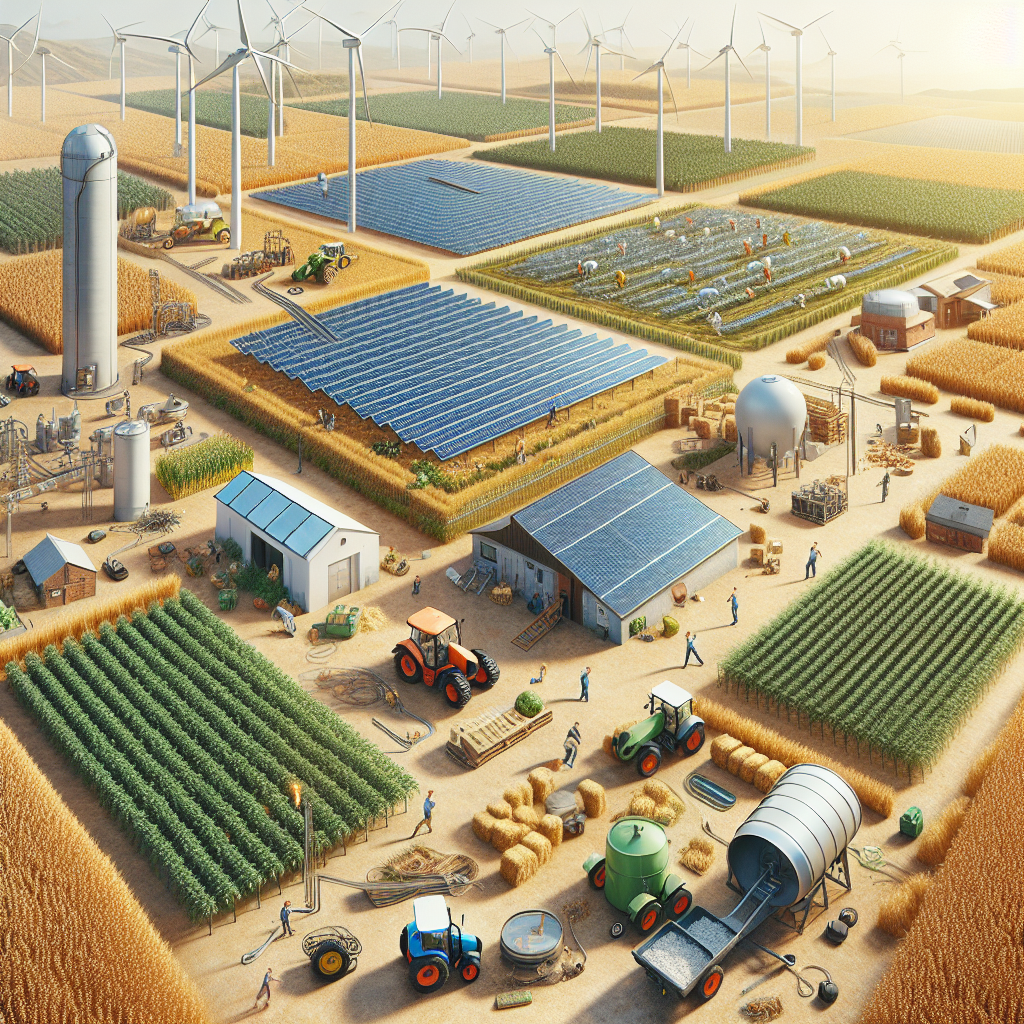
Energy systems in agriculture represent a critical intersection between two essential fields: energy systems engineering and agricultural science. As the global population continues to grow, the demand for food production increases, necessitating more efficient and sustainable agricultural practices. Energy systems in agriculture encompass a wide range of technologies and methodologies aimed at optimizing energy use, reducing waste, and enhancing productivity. This article delves into the importance and relevance of energy systems in agriculture, exploring their fundamental principles, historical development, practical applications, advanced topics, and associated challenges.
Fundamentals
Basic Principles and Concepts
Energy systems in agriculture involve the integration of various energy sources and technologies to improve the efficiency and sustainability of agricultural operations. Key principles include:
- Energy Efficiency: The goal is to maximize output while minimizing energy input. This involves optimizing machinery, irrigation systems, and other agricultural processes.
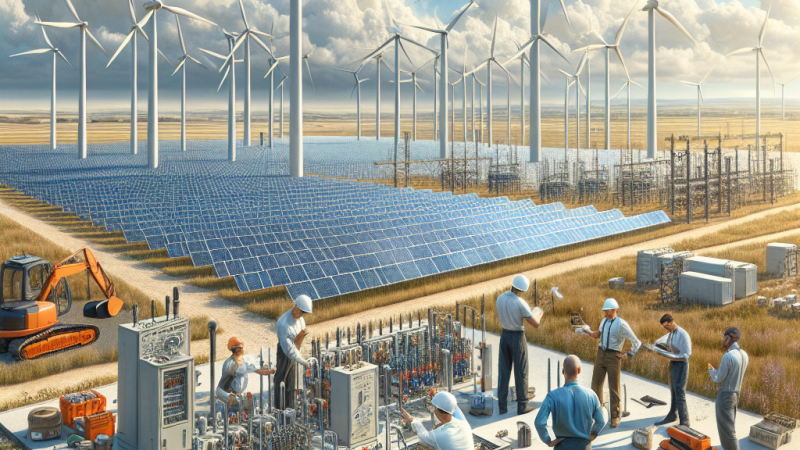
- Renewable Energy: Utilizing renewable energy sources such as solar, wind, and bioenergy to power agricultural activities.
- Energy Storage: Implementing systems to store energy for use during periods of low energy production or high demand.
- Energy Management: Monitoring and controlling energy use to ensure optimal performance and cost-effectiveness.
Key Terms
- Bioenergy: Energy derived from biological sources, such as plant and animal waste.
- Photovoltaic (PV) Systems: Solar power systems that convert sunlight into electricity.
- Microgrids: Localized energy grids that can operate independently or in conjunction with the main power grid.
- Precision Agriculture: Farming practices that use technology to monitor and manage field variability in crops.
Historical Development
Early Innovations
The use of energy in agriculture dates back to ancient times when human and animal labor were the primary sources of power. The invention of the plow and irrigation systems marked significant milestones in agricultural energy use. The Industrial Revolution brought about the mechanization of agriculture, with steam engines and later internal combustion engines revolutionizing farming practices.
20th Century Advances
The 20th century saw the widespread adoption of electricity in agriculture, enabling the use of electric pumps, lighting, and refrigeration. The Green Revolution of the mid-20th century introduced high-yield crop varieties and chemical fertilizers, further increasing agricultural productivity but also raising concerns about energy use and environmental impact.
Modern Developments
In recent decades, the focus has shifted towards sustainable energy systems in agriculture. Advances in renewable energy technologies, such as solar panels and wind turbines, have made it possible to reduce reliance on fossil fuels. The development of precision agriculture technologies, including GPS-guided equipment and remote sensing, has enabled more efficient use of resources.
Applications
Renewable Energy in Agriculture
Renewable energy sources play a crucial role in modern agricultural practices. Examples include:
- Solar Power: Solar panels can be used to power irrigation systems, greenhouses, and farm buildings. Solar water pumps are particularly beneficial in remote areas without access to the electrical grid.
- Wind Energy: Wind turbines can generate electricity for farm operations, reducing dependence on external power sources.
- Bioenergy: Agricultural waste, such as crop residues and animal manure, can be converted into biogas or biofuels, providing a renewable source of energy.
Precision Agriculture
Precision agriculture involves the use of technology to optimize farming practices. Applications include:
- GPS-Guided Equipment: Tractors and other machinery equipped with GPS can operate with high precision, reducing fuel consumption and minimizing soil compaction.
- Remote Sensing: Drones and satellites can monitor crop health, soil conditions, and water usage, enabling farmers to make data-driven decisions.
- Automated Irrigation Systems: These systems use sensors to monitor soil moisture levels and apply water only when needed, conserving energy and water.
Case Studies
Several case studies highlight the successful implementation of energy systems in agriculture:
- India’s Solar Water Pumps: In India, solar-powered water pumps have been deployed to provide reliable irrigation in rural areas, reducing the need for diesel-powered pumps and lowering greenhouse gas emissions.
- Denmark’s Biogas Plants: Denmark has established numerous biogas plants that convert agricultural waste into biogas, which is used for heating and electricity generation.
- California’s Precision Agriculture: In California, precision agriculture technologies have been adopted to optimize water use in vineyards, resulting in significant water and energy savings.
Advanced Topics
Recent Research and Innovations
Recent research in energy systems in agriculture focuses on enhancing efficiency and sustainability. Innovations include:
- Agrovoltaics: The integration of solar panels with crop production, allowing for dual land use and increased energy efficiency.
- Smart Grids: The development of smart grids that can manage energy distribution more effectively, incorporating renewable energy sources and improving reliability.
- Energy-Efficient Greenhouses: Advanced greenhouse designs that utilize renewable energy sources and energy-efficient technologies to reduce energy consumption.
Future Trends
Future trends in energy systems in agriculture include:
- Increased Automation: The use of robotics and AI to automate farming tasks, reducing labor costs and energy use.
- Integration of IoT: The Internet of Things (IoT) will enable real-time monitoring and control of agricultural processes, improving efficiency and sustainability.
- Carbon Sequestration: Techniques to capture and store carbon in agricultural soils, contributing to climate change mitigation.
Challenges and Considerations
Challenges
Despite the benefits, there are several challenges associated with energy systems in agriculture:
- High Initial Costs: The installation of renewable energy systems and precision agriculture technologies can be expensive, posing a barrier for small-scale farmers.
- Technical Complexity: The implementation and maintenance of advanced energy systems require technical expertise, which may not be readily available in all regions.
- Energy Storage: Efficient energy storage solutions are needed to ensure a reliable energy supply, especially for intermittent renewable energy sources.
Potential Solutions
Potential solutions to these challenges include:
- Government Incentives: Subsidies and grants can help offset the initial costs of renewable energy systems and precision agriculture technologies.
- Training and Education: Providing training and education to farmers and technicians can enhance the adoption and maintenance of advanced energy systems.
- Research and Development: Continued research and development can lead to more affordable and efficient energy storage solutions.
Conclusion
Energy systems in agriculture are essential for enhancing the efficiency, sustainability, and productivity of agricultural practices. By integrating renewable energy sources, precision agriculture technologies, and advanced energy management systems, the agricultural sector can reduce its environmental impact and meet the growing demand for food. While there are challenges to overcome, ongoing research and innovation hold promise for a more sustainable future. The importance of energy systems in agriculture cannot be overstated, as they play a crucial role in ensuring food security and environmental sustainability in the field of Energy Systems in Engineering.