Ocean Energy Materials and Devices
Introduction
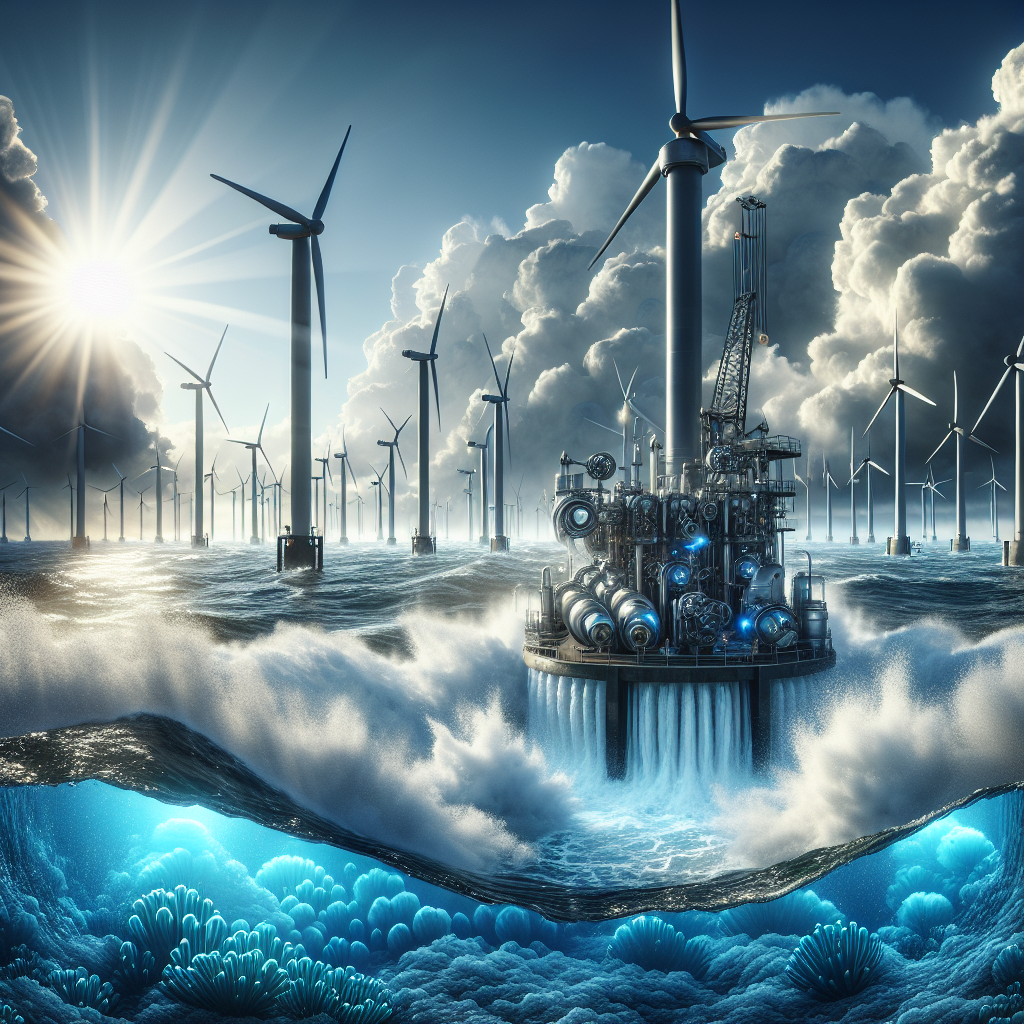
As the world grapples with the pressing need to transition from fossil fuels to renewable energy sources, ocean energy has emerged as a promising frontier. Ocean energy encompasses various forms of energy harnessed from the sea, including tidal, wave, and thermal energy. This article delves into the materials and devices used in ocean energy systems, highlighting their importance and relevance in the field of engineering. By exploring the fundamentals, historical development, applications, advanced topics, and challenges, we aim to provide a comprehensive overview of this burgeoning field.
Fundamentals
Basic Principles and Concepts
Ocean energy is derived from the kinetic and potential energy of seawater. The primary forms of ocean energy include:
- Tidal Energy: Generated from the rise and fall of sea levels due to gravitational interactions between the Earth, moon, and sun.
- Wave Energy: Harvested from the surface motion of ocean waves, driven by wind and atmospheric pressure differences.
- Ocean Thermal Energy Conversion (OTEC): Utilizes the temperature difference between warmer surface water and colder deep water to generate electricity.
Key terms in ocean energy include:
- Amplitude: The height of a wave from its mean level.
- Frequency: The number of wave cycles per unit time.
- Hydrodynamics: The study of fluids in motion, crucial for understanding wave and tidal energy systems.
Historical Development
Early Innovations
The concept of harnessing ocean energy dates back centuries. The earliest known tidal mills were built in the Middle Ages, using tidal movements to grind grain. However, significant advancements in ocean energy technology began in the 20th century.
Key Milestones
- 1966: The La Rance Tidal Power Station in France became the world’s first large-scale tidal power plant.
- 1970s: The oil crisis spurred interest in alternative energy sources, leading to increased research in ocean energy.
- 2000s: The development of advanced materials and computational models accelerated the design of efficient ocean energy devices.
Notable Figures
Several pioneers have made significant contributions to the field:
- Georges Jean Marie Darrieus: Inventor of the Darrieus wind turbine, which influenced the design of vertical-axis tidal turbines.
- Stephen Salter: Developed the “Salter’s Duck,” an early wave energy converter.
Applications
Energy Generation
Ocean energy systems are primarily used for electricity generation. Examples include:
- Tidal Power Plants: The Sihwa Lake Tidal Power Station in South Korea generates 254 MW of electricity, making it the largest tidal power plant in the world.
- Wave Energy Converters: The Pelamis Wave Energy Converter, deployed off the coast of Portugal, converts wave motion into electrical power.
- OTEC Plants: The Makai Ocean Engineering OTEC plant in Hawaii demonstrates the feasibility of using thermal gradients for power generation.
Desalination
Ocean energy can also be used for desalination, providing fresh water in arid regions. Wave-powered desalination units, such as those developed by Carnegie Clean Energy, use wave energy to drive reverse osmosis processes.
Environmental Monitoring
Ocean energy devices can be equipped with sensors to monitor marine environments. These systems provide valuable data on oceanographic conditions, aiding in climate research and marine conservation efforts.
Advanced Topics
Recent Research and Innovations
Recent advancements in materials science and engineering have led to the development of more efficient and durable ocean energy devices. Innovations include:
- Advanced Composites: Lightweight, corrosion-resistant materials that enhance the longevity and performance of ocean energy devices.
- Smart Materials: Materials that can adapt to changing environmental conditions, improving the efficiency of energy conversion.
- Artificial Intelligence: AI algorithms optimize the operation and maintenance of ocean energy systems, reducing downtime and increasing energy output.
Future Trends
The future of ocean energy looks promising, with several trends emerging:
- Hybrid Systems: Combining multiple forms of ocean energy (e.g., wave and tidal) to maximize energy capture.
- Floating Platforms: Deploying ocean energy devices on floating platforms to access deeper waters with higher energy potential.
- Grid Integration: Developing advanced grid management systems to integrate ocean energy into existing power grids seamlessly.
Challenges and Considerations
Technical Challenges
Despite its potential, ocean energy faces several technical challenges:
- Corrosion: The harsh marine environment accelerates the degradation of materials, necessitating the use of corrosion-resistant materials.
- Biofouling: The accumulation of marine organisms on devices can reduce efficiency and increase maintenance costs.
- Energy Storage: Intermittent energy generation requires efficient storage solutions to ensure a stable power supply.
Environmental Considerations
Ocean energy systems must be designed to minimize environmental impacts:
- Marine Ecosystems: Careful site selection and device design are essential to avoid disrupting marine habitats.
- Noise Pollution: Mitigating noise generated by ocean energy devices to protect marine life.
Economic Factors
The high initial costs of ocean energy systems can be a barrier to widespread adoption. However, economies of scale and technological advancements are expected to reduce costs over time.
Conclusion
Ocean energy materials and devices represent a vital component of the renewable energy landscape. By harnessing the vast energy potential of the oceans, we can reduce our reliance on fossil fuels and move towards a more sustainable future. While challenges remain, ongoing research and innovation are paving the way for more efficient and environmentally friendly ocean energy systems. As engineers and scientists continue to push the boundaries of what is possible, the future of ocean energy looks brighter than ever.