Wind Energy Systems
Introduction

Wind energy systems have emerged as a cornerstone in the field of renewable energy, offering a sustainable and environmentally friendly alternative to fossil fuels. As the world grapples with the challenges of climate change and depleting natural resources, the importance of harnessing wind energy cannot be overstated. In the realm of engineering, wind energy systems represent a confluence of mechanical, electrical, and civil engineering disciplines, making it a multifaceted and dynamic field of study. This article delves into the various aspects of wind energy systems, from their fundamental principles to advanced topics, applications, and challenges.
Fundamentals
Basic Principles
Wind energy systems convert the kinetic energy of wind into electrical energy through the use of wind turbines. The basic principle involves the movement of air masses due to atmospheric pressure differences, which is harnessed by the turbine blades. These blades are connected to a rotor, which spins a generator to produce electricity.
Key Terms and Definitions
- Wind Turbine: A device that converts kinetic energy from the wind into mechanical energy.
- Rotor: The rotating part of the turbine, which includes the blades and the hub.
- Generator: A device that converts mechanical energy from the rotor into electrical energy.
- Cut-in Wind Speed: The minimum wind speed at which a wind turbine begins to generate electricity.
- Cut-out Wind Speed: The wind speed at which a wind turbine shuts down to prevent damage.
- Betz’s Law: A theory that states the maximum possible energy that can be extracted from the wind is 59.3% of the total kinetic energy.
Historical Development
The history of wind energy dates back to ancient civilizations, where wind was used to power sailing ships and windmills for grinding grain and pumping water. However, the modern development of wind energy systems began in the late 19th and early 20th centuries.
Key Milestones
- 1887: James Blyth, a Scottish professor, built the first known wind turbine to generate electricity.
- 1941: The first megawatt-scale wind turbine, known as the Smith-Putnam turbine, was constructed in Vermont, USA.
- 1970s: The oil crisis spurred renewed interest in wind energy, leading to significant advancements in turbine technology.
- 1991: The first offshore wind farm was established in Denmark, marking a significant milestone in the utilization of wind energy.
Notable Figures
- James Blyth: Pioneer of wind energy who built the first electricity-generating wind turbine.
- Paul la Cour: Danish scientist who made significant contributions to the development of modern wind turbines.
- Henrik Stiesdal: A key figure in the development of commercial wind turbines and offshore wind farms.
Applications
Wind energy systems have a wide range of applications across various industries and fields. Their versatility and scalability make them suitable for both small-scale and large-scale energy production.
Utility-Scale Wind Farms
Utility-scale wind farms consist of multiple wind turbines connected to the electrical grid, providing large amounts of electricity to communities and industries. These farms can be located onshore or offshore, with offshore wind farms benefiting from stronger and more consistent wind speeds.
Distributed Wind Systems
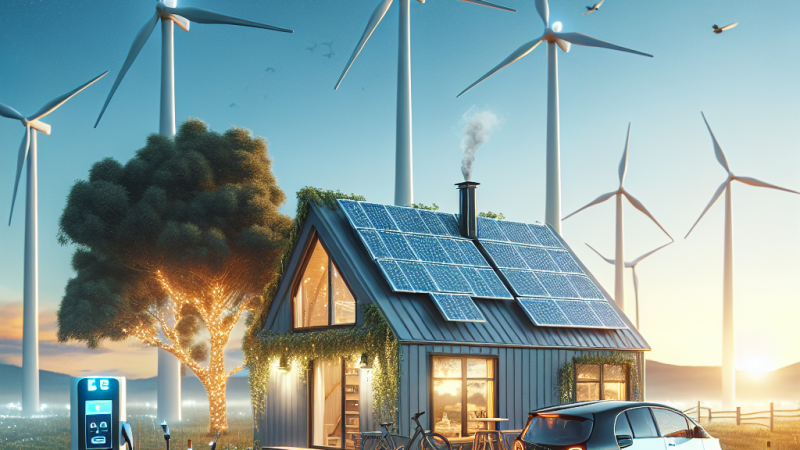
Distributed wind systems are smaller installations that provide power to local users, such as homes, farms, and small businesses. These systems can operate independently or be connected to the local grid, offering a decentralized approach to energy production.
Hybrid Systems
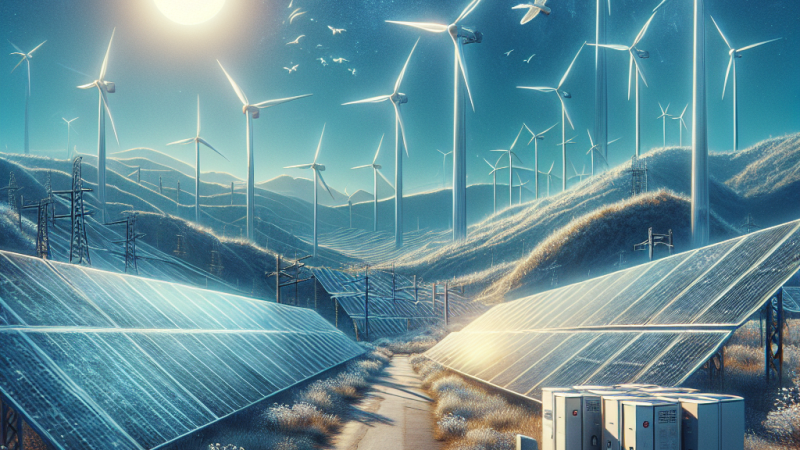
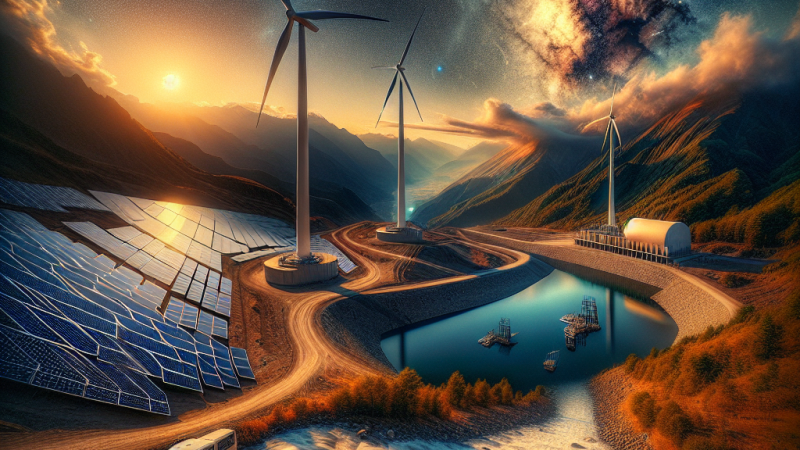
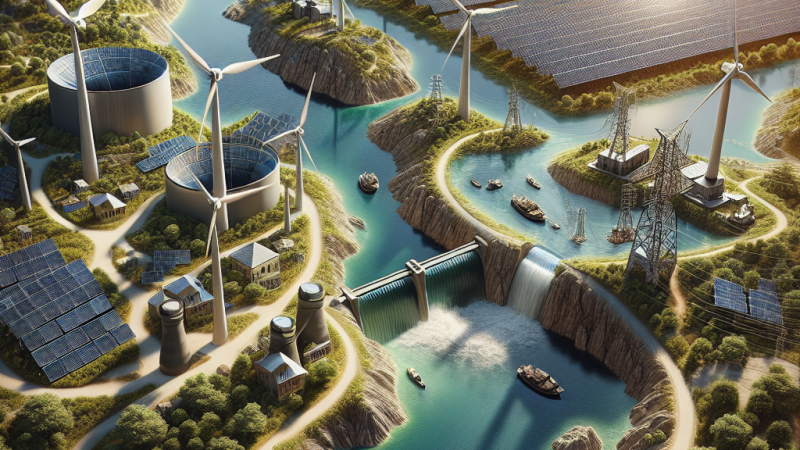
Wind energy can be integrated with other renewable energy sources, such as solar power, to create hybrid systems. These systems offer increased reliability and efficiency by leveraging the complementary nature of different energy sources.
Case Studies
- Hornsea One: Located off the coast of the UK, Hornsea One is the world’s largest offshore wind farm, with a capacity of 1.2 GW, providing power to over one million homes.
- Alta Wind Energy Center: Situated in California, USA, this onshore wind farm has a capacity of 1.5 GW, making it one of the largest in the world.
Advanced Topics
The field of wind energy systems is continually evolving, with ongoing research and innovations driving advancements in technology and efficiency.
Floating Wind Turbines
Floating wind turbines are an emerging technology that allows for the deployment of wind turbines in deep waters where traditional fixed-bottom turbines are not feasible. These turbines are anchored to the seabed using mooring lines, offering access to stronger and more consistent wind resources.
Smart Wind Turbines
Advancements in sensor technology and data analytics have led to the development of smart wind turbines. These turbines use real-time data to optimize performance, predict maintenance needs, and reduce downtime, thereby increasing overall efficiency and reliability.
Energy Storage Solutions
Integrating energy storage solutions with wind energy systems is a critical area of research. Technologies such as batteries, flywheels, and pumped hydro storage can store excess energy generated during high wind periods and release it during low wind periods, ensuring a stable and reliable power supply.
Recent Research and Innovations
- Vertical Axis Wind Turbines (VAWTs): Research is ongoing to improve the efficiency and scalability of VAWTs, which offer advantages in urban environments and areas with turbulent wind conditions.
- Advanced Materials: The development of lightweight and durable materials, such as carbon fiber composites, is enhancing the performance and lifespan of wind turbine components.
- Artificial Intelligence (AI): AI algorithms are being used to optimize turbine placement, predict wind patterns, and enhance maintenance strategies.
Challenges and Considerations
Despite the numerous benefits of wind energy systems, several challenges and considerations must be addressed to maximize their potential.
Intermittency
Wind energy is inherently intermittent, as wind speeds can vary significantly over time. This variability poses challenges for grid integration and requires the development of effective energy storage and management solutions.
Environmental Impact
While wind energy is a clean and renewable source of power, it can have environmental impacts, such as noise pollution, visual impact, and effects on wildlife, particularly birds and bats. Mitigating these impacts through careful site selection and technological innovations is essential.
Economic Considerations
The initial capital costs of wind energy systems can be high, although they are offset by low operational costs and long-term savings. Financial incentives, subsidies, and favorable policies are crucial to making wind energy economically viable.
Grid Integration
Integrating large amounts of wind energy into existing electrical grids requires upgrades to infrastructure and the development of smart grid technologies. Ensuring grid stability and reliability is a key consideration for widespread adoption.
Potential Solutions
- Hybrid Systems: Combining wind energy with other renewable sources and energy storage solutions can mitigate intermittency issues.
- Technological Innovations: Advances in turbine design, materials, and control systems can enhance efficiency and reduce environmental impacts.
- Policy Support: Government policies and incentives can drive investment and development in wind energy systems.
Conclusion
Wind energy systems represent a vital component of the global transition to renewable energy. Their ability to provide clean, sustainable, and scalable power makes them indispensable in the fight against climate change and the quest for energy security. From their historical development to modern advancements and future trends, wind energy systems continue to evolve, offering new opportunities and challenges for engineers and researchers. By addressing the associated challenges and leveraging technological innovations, wind energy systems can play a pivotal role in shaping a sustainable and resilient energy future.