Hydropower Systems
Introduction
Hydropower systems, a cornerstone of renewable energy engineering, harness the kinetic energy of flowing water to generate electricity. As one of the oldest and most established forms of renewable energy, hydropower plays a crucial role in the global energy mix. Its importance is underscored by its ability to provide a reliable, consistent, and clean source of power, contributing significantly to the reduction of greenhouse gas emissions and the mitigation of climate change. This article delves into the various aspects of hydropower systems, exploring their fundamentals, historical development, applications, advanced topics, and the challenges they face.
Fundamentals
Basic Principles and Concepts
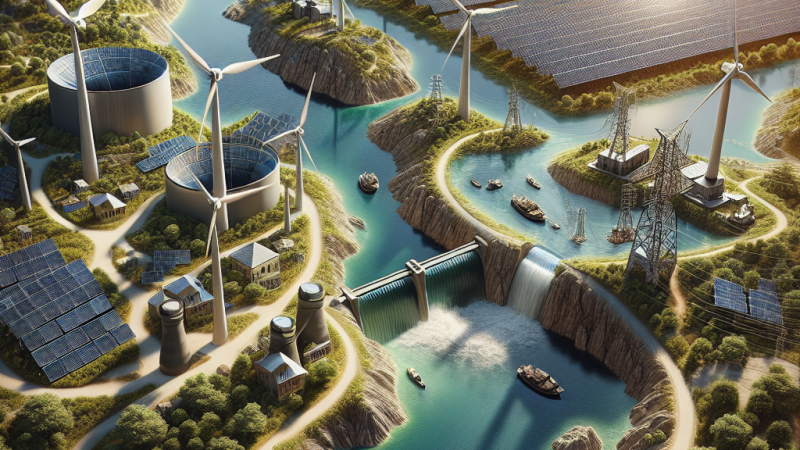
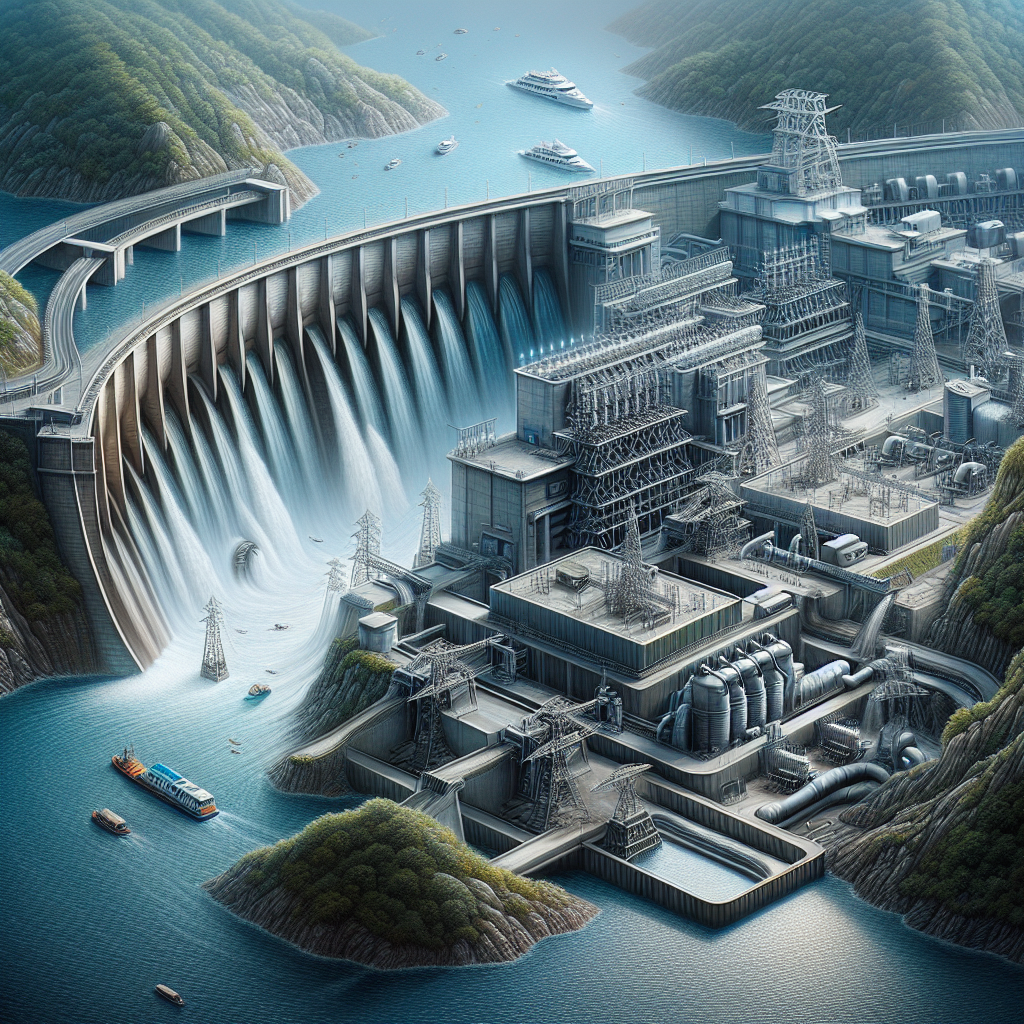
Hydropower systems operate on the principle of converting the potential energy of water stored at a height into kinetic energy as it flows down, which is then transformed into mechanical energy by turbines and subsequently into electrical energy by generators. The fundamental components of a hydropower system include:
- Reservoir: A storage area for water, usually created by damming a river.
- Dam: A structure that controls water flow and creates a height difference.
- Penstock: A conduit that directs water from the reservoir to the turbines.
- Turbine: A device that converts the kinetic energy of flowing water into mechanical energy.
- Generator: A machine that converts mechanical energy from the turbine into electrical energy.
- Powerhouse: The building that houses the turbines and generators.
Key Terms
- Head: The height difference between the water source and the turbine, which determines the potential energy available.
- Flow Rate: The volume of water passing through the system per unit time, influencing the kinetic energy.
- Efficiency: The ratio of useful energy output to the total energy input, indicating the system’s performance.
Historical Development
The history of hydropower dates back to ancient civilizations, where water wheels were used for grinding grain and other mechanical tasks. The modern era of hydropower began in the late 19th century with the advent of electricity generation. Key milestones include:
- 1882: The world’s first hydroelectric power plant began operation in Appleton, Wisconsin, USA.
- 1936: The Hoover Dam, one of the largest and most iconic hydropower projects, was completed in the USA.
- 2003: The Three Gorges Dam in China, the world’s largest hydropower station by installed capacity, was completed.
Notable figures in the development of hydropower include James Francis, who developed the Francis turbine, and Lester Allan Pelton, who invented the Pelton wheel, both of which are still widely used in modern hydropower systems.
Applications
Hydropower systems have a wide range of applications across various industries and fields. Some of the most significant applications include:
Electricity Generation
Hydropower is a major source of electricity generation worldwide, providing about 16% of the global electricity supply. Countries like Norway, Brazil, and Canada rely heavily on hydropower for their energy needs. For example, Norway generates over 95% of its electricity from hydropower.
Water Management
Hydropower dams play a crucial role in water management, including flood control, irrigation, and water supply. The Hoover Dam, for instance, provides water for agricultural and urban use in the arid regions of the southwestern USA.
Pumped Storage
Pumped storage hydropower systems act as large-scale energy storage solutions, balancing supply and demand by storing excess energy during low demand periods and releasing it during peak demand. The Dinorwig Power Station in Wales is a notable example of a pumped storage facility.
Advanced Topics
Recent Research and Innovations
Recent advancements in hydropower technology focus on improving efficiency, reducing environmental impact, and integrating with other renewable energy sources. Some notable innovations include:
- Fish-Friendly Turbines: Designed to minimize harm to aquatic life, these turbines have improved blade shapes and slower rotational speeds.
- Small and Micro Hydropower: These systems are designed for local, off-grid applications, providing sustainable energy solutions for remote communities.
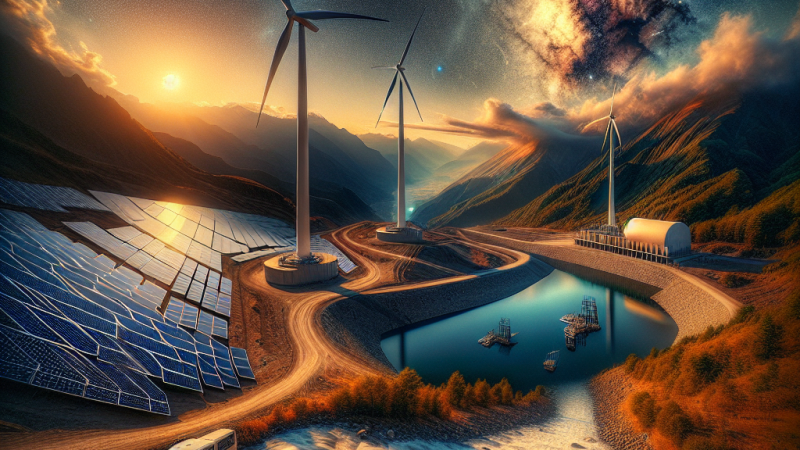
- Hybrid Systems: Combining hydropower with solar or wind energy to create more reliable and efficient renewable energy systems.
Future Trends
The future of hydropower lies in the development of more sustainable and environmentally friendly technologies. Emerging trends include:
- Floating Solar-Hydro Systems: Integrating floating solar panels on hydropower reservoirs to maximize energy production.
- Digitalization: Using advanced data analytics, machine learning, and IoT technologies to optimize hydropower operations and maintenance.
- Climate Resilience: Developing hydropower systems that can adapt to changing climate conditions and extreme weather events.
Challenges and Considerations
Despite its many advantages, hydropower faces several challenges and considerations:
Environmental Impact
Hydropower projects can have significant environmental impacts, including habitat disruption, changes in water quality, and effects on aquatic life. Mitigating these impacts requires careful planning, environmental assessments, and the implementation of fish ladders, bypass systems, and other measures.
Social and Economic Issues
Large-scale hydropower projects can lead to the displacement of communities and changes in local economies. Ensuring fair compensation, community engagement, and sustainable development practices are essential to address these issues.
Technical Challenges
Technical challenges include the maintenance of aging infrastructure, sedimentation in reservoirs, and the need for continuous innovation to improve efficiency and reduce costs. Research and development efforts are crucial to overcoming these challenges.
Regulatory and Policy Considerations
Hydropower projects are subject to complex regulatory and policy frameworks, which can vary significantly between regions. Navigating these frameworks requires a thorough understanding of local laws, environmental regulations, and stakeholder interests.
Conclusion
Hydropower systems are a vital component of the renewable energy landscape, offering a reliable and sustainable source of electricity. From their historical roots to modern advancements, hydropower has continually evolved to meet the growing energy demands of society. While challenges remain, ongoing research, innovation, and sustainable practices hold the promise of a bright future for hydropower. As the world transitions towards cleaner energy sources, hydropower will undoubtedly play a pivotal role in achieving global energy sustainability and combating climate change.