Sensors in Mechatronic Systems: Types and Applications
Introduction
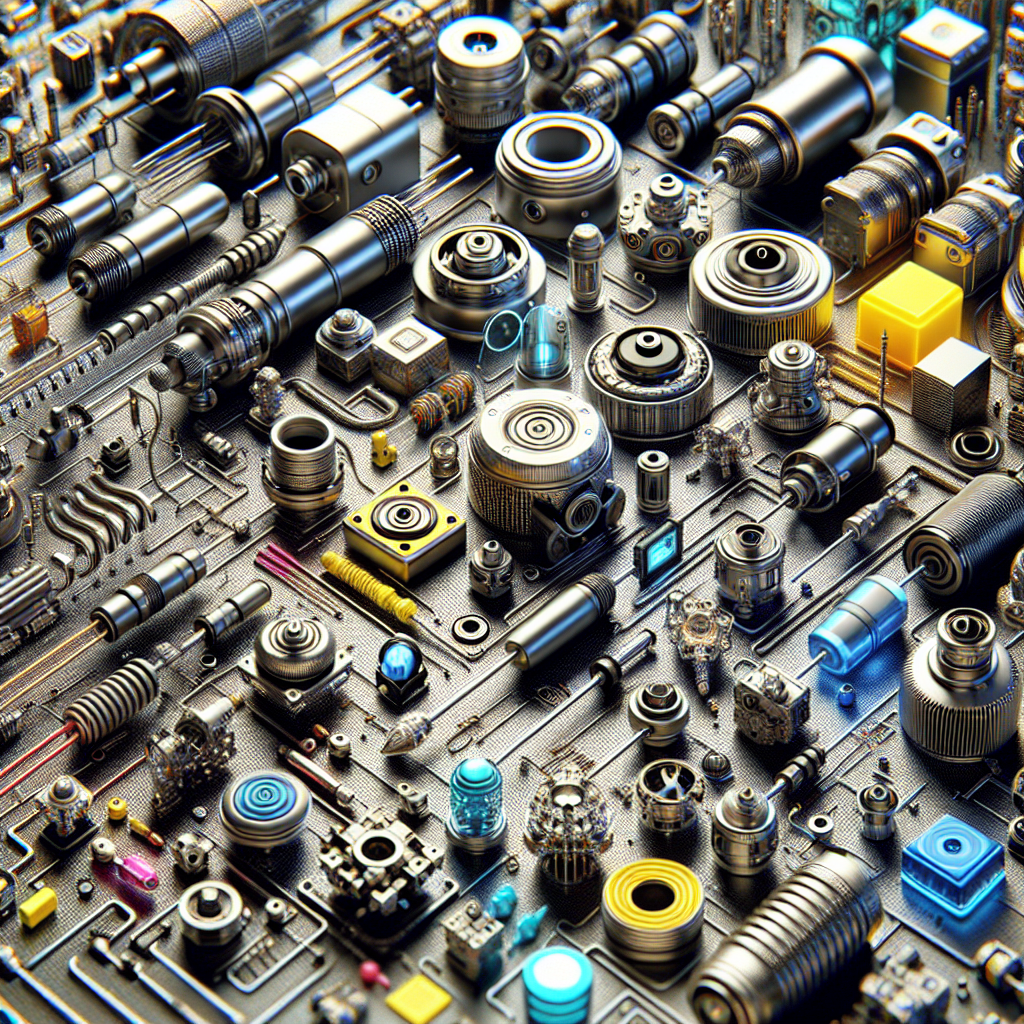
In the realm of engineering, particularly within the field of Mechanics of Machines, mechatronic systems have emerged as a cornerstone of modern technological advancements. These systems, which integrate mechanical, electronic, and computer engineering, rely heavily on sensors to function effectively. Sensors in mechatronic systems are crucial for monitoring, controlling, and optimizing machine performance. They provide the necessary data to ensure precision, efficiency, and safety in various applications. This article delves into the types and applications of sensors in mechatronic systems, highlighting their importance and relevance in engineering.
Fundamentals
Basic Principles and Concepts
Sensors are devices that detect and respond to changes in the environment. They convert physical parameters such as temperature, pressure, and motion into electrical signals that can be measured and analyzed. In mechatronic systems, sensors play a pivotal role in providing real-time data, which is essential for the system’s feedback loop. This feedback loop allows the system to adjust its operations dynamically, ensuring optimal performance.
Key Terms and Definitions
- Transducer: A device that converts one form of energy into another. In the context of sensors, it typically refers to converting physical parameters into electrical signals.
- Actuator: A component of a machine that is responsible for moving or controlling a mechanism or system, often in response to a signal from a sensor.
- Feedback Loop: A system structure that uses sensor data to adjust its operations to achieve desired outcomes.
- Signal Conditioning: The process of manipulating sensor signals to make them suitable for processing by other system components.
Historical Development
The development of sensors has a rich history, marked by significant milestones and contributions from notable figures. The early 20th century saw the advent of basic sensors such as thermocouples and strain gauges. These early sensors laid the groundwork for more sophisticated devices.
In the 1950s and 1960s, the development of semiconductor technology revolutionized sensor design, leading to the creation of more compact and reliable sensors. The integration of microelectronics in the 1970s and 1980s further advanced sensor technology, enabling the development of microelectromechanical systems (MEMS) sensors. These sensors are characterized by their small size, low cost, and high performance.
Notable figures such as Charles K. Kao, who pioneered fiber optic communication, and Richard Feynman, who envisioned the potential of nanotechnology, have significantly influenced the field. Their contributions have paved the way for the development of advanced sensors used in modern mechatronic systems.
Applications
Industrial Automation
In industrial automation, sensors are indispensable for monitoring and controlling manufacturing processes. For instance, proximity sensors detect the presence or absence of objects, ensuring precise positioning of components on assembly lines. Temperature sensors monitor and regulate the heat in processes such as welding and molding, ensuring product quality and safety.
Automotive Industry
The automotive industry extensively uses sensors to enhance vehicle performance, safety, and comfort. Oxygen sensors in exhaust systems monitor and control emissions, ensuring compliance with environmental regulations. Accelerometers and gyroscopes in electronic stability control systems help maintain vehicle stability during sudden maneuvers, reducing the risk of accidents.
Healthcare
In healthcare, sensors play a critical role in patient monitoring and diagnostics. For example, electrocardiogram (ECG) sensors measure the electrical activity of the heart, aiding in the diagnosis of cardiac conditions. Glucose sensors in continuous glucose monitoring systems provide real-time data for managing diabetes, improving patient outcomes.
Consumer Electronics
Sensors are integral to the functionality of consumer electronics. Smartphones, for instance, use accelerometers and gyroscopes to detect orientation and motion, enabling features such as screen rotation and gesture control. Ambient light sensors adjust screen brightness based on surrounding light conditions, enhancing user experience and conserving battery life.
Advanced Topics
Recent Research and Innovations
Recent advancements in sensor technology have focused on enhancing sensitivity, accuracy, and integration capabilities. One notable innovation is the development of flexible and wearable sensors. These sensors, made from materials such as graphene and flexible polymers, can conform to various surfaces, making them ideal for applications in healthcare and wearable electronics.
Another area of research is the integration of artificial intelligence (AI) with sensor systems. AI algorithms can analyze sensor data in real-time, enabling predictive maintenance and fault detection in industrial applications. This integration enhances the efficiency and reliability of mechatronic systems.
Future Trends
The future of sensor technology in mechatronic systems is promising, with trends pointing towards increased miniaturization, improved energy efficiency, and enhanced connectivity. The development of nanosensors, which operate at the molecular level, holds potential for applications in fields such as environmental monitoring and biomedical diagnostics.
Additionally, the proliferation of the Internet of Things (IoT) is driving the demand for smart sensors that can communicate wirelessly and integrate seamlessly with other devices. These smart sensors will enable more sophisticated and interconnected mechatronic systems, paving the way for advancements in automation, healthcare, and beyond.
Challenges and Considerations
Technical Challenges
Despite the advancements, several challenges remain in the development and deployment of sensors in mechatronic systems. One significant challenge is ensuring the accuracy and reliability of sensor data in harsh environments. Factors such as temperature fluctuations, electromagnetic interference, and mechanical vibrations can affect sensor performance.
Cost and Scalability
The cost of sensor technology can also be a limiting factor, particularly for applications requiring large-scale deployment. Developing cost-effective manufacturing processes and materials is essential to make advanced sensors more accessible.
Data Security and Privacy
As sensors become more integrated with IoT and AI systems, concerns about data security and privacy arise. Ensuring that sensor data is protected from unauthorized access and tampering is crucial, especially in applications involving sensitive information such as healthcare and industrial control systems.
Potential Solutions
Addressing these challenges requires a multidisciplinary approach, involving advancements in materials science, electronics, and data analytics. Developing robust sensor designs that can withstand harsh conditions, implementing cost-effective manufacturing techniques, and enhancing cybersecurity measures are essential steps towards overcoming these challenges.
Conclusion
Sensors are the backbone of mechatronic systems, providing the critical data needed for monitoring, control, and optimization. Their applications span across various industries, from industrial automation and automotive to healthcare and consumer electronics. The continuous advancements in sensor technology, driven by research and innovation, promise to enhance the capabilities and efficiency of mechatronic systems further.
However, challenges such as ensuring accuracy in harsh environments, managing costs, and addressing data security concerns must be addressed to fully realize the potential of sensors in mechatronic systems. By overcoming these challenges, engineers can develop more sophisticated, reliable, and interconnected systems that will drive future technological advancements in the field of Mechanics of Machines in Engineering.