Mechatronics: Integration of Mechanics and Electronics
Introduction
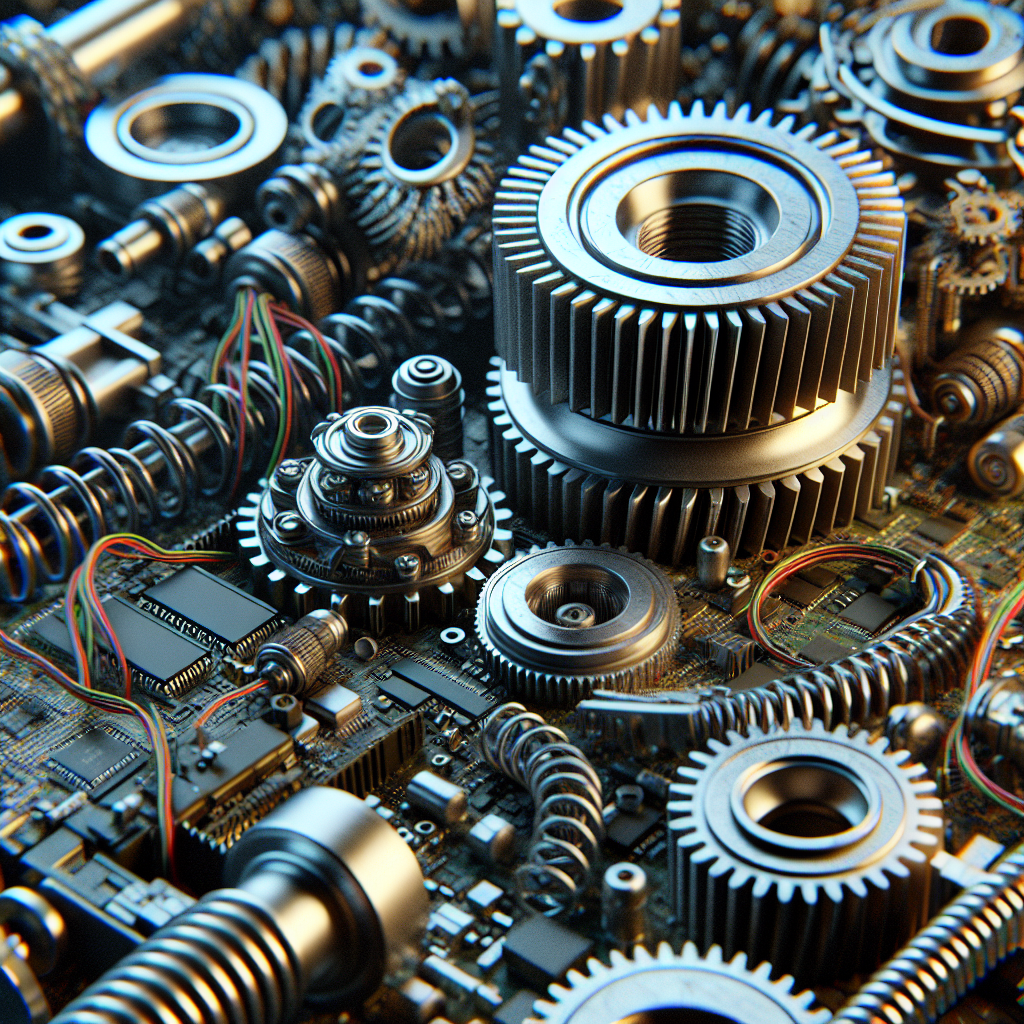
In the ever-evolving field of engineering, the integration of mechanics and electronics has given rise to a multidisciplinary domain known as mechatronics. This field combines principles from mechanical engineering, electrical engineering, computer science, and control engineering to design and create intelligent systems and products. Mechatronics is pivotal in the development of modern machinery and automation systems, making it a cornerstone in the field of Mechanics of Machines in Engineering. This article delves into the fundamentals, historical development, applications, advanced topics, challenges, and future trends of mechatronics, highlighting its significance and impact on various industries.
Fundamentals
Basic Principles and Concepts
Mechatronics is defined as the synergistic integration of mechanical engineering, electronics, control systems, and computer science to create more functional and adaptable products. The core idea is to enhance the performance and capabilities of mechanical systems by embedding electronic control and computational intelligence.
Key Terms and Definitions
- Actuators: Devices that convert electrical signals into physical movement, such as motors and hydraulic cylinders.
- Sensors: Components that detect changes in the environment and send information to the control system, such as temperature sensors and accelerometers.
- Microcontrollers: Small computing devices that control the operation of mechatronic systems by processing input from sensors and sending commands to actuators.
- Control Systems: Algorithms and hardware that manage the behavior of a system to achieve desired performance, often using feedback loops.
- Embedded Systems: Specialized computing systems that perform dedicated functions within larger mechanical or electrical systems.
Historical Development
Early Beginnings
The concept of integrating mechanics and electronics dates back to the early 20th century with the advent of electromechanical systems. Early examples include automatic control systems in industrial machinery and the development of servomechanisms during World War II.
Key Milestones
- 1969: The term “mechatronics” was coined by Tetsuro Mori, an engineer at Yaskawa Electric Corporation, to describe the integration of mechanical and electronic systems.
- 1980s: The rise of microprocessors and microcontrollers revolutionized mechatronics, enabling more sophisticated control and automation.
- 1990s: The development of advanced sensors and actuators, along with improvements in software and control algorithms, expanded the capabilities of mechatronic systems.
- 2000s: The proliferation of embedded systems and the Internet of Things (IoT) further enhanced the connectivity and intelligence of mechatronic devices.
Notable Figures
- Tetsuro Mori: Credited with coining the term “mechatronics” and pioneering its early development.
- Rolf Isermann: A leading researcher in the field of mechatronics and control engineering, known for his contributions to the development of intelligent control systems.
- Hiroshi Mizutani: An influential figure in the advancement of robotics and mechatronics, particularly in the development of humanoid robots.
Applications
Industrial Automation
Mechatronics plays a crucial role in industrial automation, where it is used to design and control automated manufacturing systems. Examples include robotic arms for assembly lines, automated guided vehicles (AGVs) for material handling, and CNC machines for precision machining.
Automotive Industry
The automotive industry heavily relies on mechatronics for the development of advanced driver-assistance systems (ADAS), electronic stability control, and automated braking systems. Mechatronic systems are also integral to the functioning of electric and hybrid vehicles.
Medical Devices
In the medical field, mechatronics is used to create sophisticated diagnostic and therapeutic devices. Examples include robotic surgical systems, automated drug delivery systems, and advanced prosthetics that mimic natural limb movements.
Consumer Electronics
Mechatronics is at the heart of many consumer electronics, such as smartphones, smart home devices, and wearable technology. These devices integrate sensors, actuators, and microcontrollers to provide enhanced functionality and user experience.
Case Studies
- Robotic Surgery: The da Vinci Surgical System is a prime example of a mechatronic device that allows surgeons to perform minimally invasive procedures with high precision and control.
- Automated Warehousing: Amazon’s use of Kiva robots in their fulfillment centers showcases the application of mechatronics in optimizing logistics and inventory management.
Advanced Topics
Recent Research and Innovations
Recent advancements in mechatronics include the development of soft robotics, which uses flexible materials to create robots that can safely interact with humans and adapt to complex environments. Another area of innovation is the integration of artificial intelligence (AI) and machine learning with mechatronic systems, enabling more autonomous and adaptive behavior.
Future Trends
The future of mechatronics is likely to be shaped by several emerging trends, including the continued growth of IoT, the development of more advanced AI algorithms, and the increasing use of additive manufacturing (3D printing) to create custom mechatronic components. Additionally, the push towards sustainability is driving research into energy-efficient mechatronic systems and renewable energy applications.
Challenges and Considerations
Technical Challenges
One of the primary challenges in mechatronics is the complexity of integrating multiple disciplines into a cohesive system. This requires a deep understanding of mechanical design, electronics, software development, and control theory. Additionally, ensuring the reliability and robustness of mechatronic systems in real-world conditions can be challenging.
Economic and Ethical Considerations
The development and deployment of mechatronic systems can be costly, particularly for small and medium-sized enterprises. There are also ethical considerations related to the impact of automation on employment and the need to ensure that mechatronic systems are safe and secure from cyber threats.
Potential Solutions
To address these challenges, interdisciplinary education and training programs are essential to equip engineers with the necessary skills. Collaborative research and development efforts can also help to share knowledge and resources. Additionally, the adoption of standardized protocols and best practices can enhance the reliability and security of mechatronic systems.
Conclusion
Mechatronics represents a transformative approach in the field of Mechanics of Machines in Engineering, offering innovative solutions that enhance the functionality, efficiency, and adaptability of mechanical systems. From industrial automation to medical devices and consumer electronics, the applications of mechatronics are vast and varied. As technology continues to advance, the integration of mechanics and electronics will play an increasingly important role in shaping the future of engineering. By addressing the challenges and embracing the opportunities presented by this multidisciplinary field, engineers can continue to drive progress and innovation in a wide range of industries.