
Mechatronic System Design
Introduction
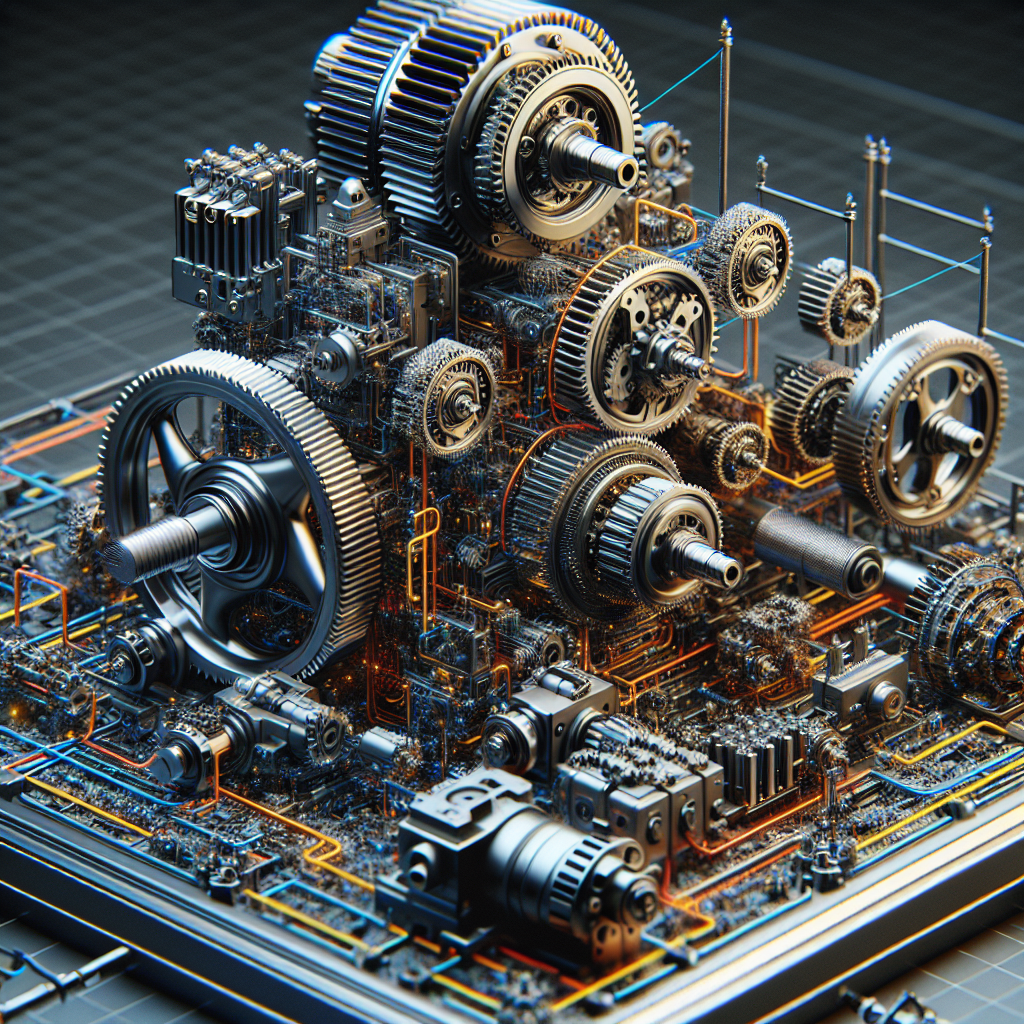
Mechatronic System Design is a multidisciplinary field that integrates mechanical engineering, electronics, computer science, and control engineering to design and create intelligent systems and products. This approach is essential in modern engineering as it allows for the development of complex systems that are more efficient, reliable, and capable of performing sophisticated tasks. The importance of Mechatronic System Design lies in its ability to innovate and improve various industries, from manufacturing and automotive to healthcare and consumer electronics. By combining different engineering disciplines, mechatronics enables the creation of smarter, more adaptable, and more efficient systems.
Fundamentals
Basic Principles and Concepts
Mechatronic System Design revolves around the integration of mechanical, electronic, and computational elements to create cohesive and functional systems. The fundamental principles include:
- Mechanical Systems: These are the physical components that perform the primary functions of the system, such as actuators, gears, and linkages.
- Electronic Systems: These include sensors, microcontrollers, and other electronic components that control and monitor the mechanical systems.
- Control Systems: These are algorithms and software that manage the behavior of the mechanical and electronic systems to achieve desired outcomes.
- Computer Systems: These involve the use of software and hardware to process data, execute control algorithms, and interface with other system components.
Key Terms
- Actuators: Devices that convert electrical signals into physical movement.
- Sensors: Devices that detect changes in the environment and send information to the control system.
- Microcontrollers: Small computers on a single integrated circuit that control the functions of the system.
- Feedback Loop: A system where the output is fed back into the input to maintain desired performance.
Historical Development
The concept of mechatronics emerged in the late 1960s in Japan, where engineers began to integrate mechanical and electronic systems to improve automation and efficiency. The term “mechatronics” was coined by Tetsuro Mori, an engineer at Yaskawa Electric Corporation, in 1969. The field has since evolved significantly, with several key milestones:
- 1970s: The development of microprocessors and microcontrollers enabled more sophisticated control systems.
- 1980s: The rise of computer-aided design (CAD) and computer-aided manufacturing (CAM) revolutionized the design and production processes.
- 1990s: Advances in robotics and automation led to the widespread adoption of mechatronic systems in manufacturing.
- 2000s: The integration of artificial intelligence (AI) and machine learning (ML) began to enhance the capabilities of mechatronic systems.
- 2010s: The Internet of Things (IoT) and Industry 4.0 concepts further expanded the scope and applications of mechatronics.
Notable figures in the field include Tetsuro Mori, who coined the term, and Hiroshi Makino, who made significant contributions to the development of intelligent manufacturing systems.
Applications
Mechatronic System Design has a wide range of applications across various industries:
Manufacturing
In manufacturing, mechatronic systems are used to automate production lines, improve precision, and increase efficiency. Examples include robotic arms for assembly, CNC machines for precision machining, and automated guided vehicles (AGVs) for material handling.
Automotive
The automotive industry relies heavily on mechatronics for the development of advanced driver-assistance systems (ADAS), electric and hybrid vehicles, and autonomous driving technologies. Examples include adaptive cruise control, lane-keeping assist, and electric power steering.
Healthcare
In healthcare, mechatronic systems are used in medical devices and equipment, such as robotic surgical systems, prosthetics, and diagnostic machines. Examples include the da Vinci Surgical System, which allows for minimally invasive surgeries, and advanced prosthetic limbs that provide greater mobility and functionality.
Consumer Electronics
Mechatronics plays a crucial role in the development of consumer electronics, such as smartphones, smart home devices, and wearable technology. Examples include smart thermostats, robotic vacuum cleaners, and fitness trackers.
Case Studies
One notable case study is the development of the Mars Rover by NASA. The rover is a complex mechatronic system that integrates mechanical components, electronic sensors, and advanced control algorithms to explore the Martian surface autonomously.
Advanced Topics
Recent Research and Innovations
Recent research in mechatronics focuses on enhancing system intelligence, adaptability, and efficiency. Key areas of innovation include:
- Artificial Intelligence (AI) and Machine Learning (ML): These technologies are being integrated into mechatronic systems to enable predictive maintenance, adaptive control, and autonomous decision-making.
- Internet of Things (IoT): IoT enables the connectivity of mechatronic systems, allowing for real-time monitoring, data analysis, and remote control.
- Human-Robot Interaction (HRI): Research in HRI aims to improve the collaboration between humans and robots, making systems more intuitive and user-friendly.
- Soft Robotics: This emerging field focuses on creating robots with flexible and adaptive materials, enhancing their ability to interact with complex environments.
Future Trends
The future of mechatronics is likely to be shaped by several trends:
- Increased Autonomy: Mechatronic systems will become more autonomous, capable of making decisions and performing tasks without human intervention.
- Enhanced Connectivity: The integration of IoT will enable greater connectivity and data sharing between systems, leading to more efficient and coordinated operations.
- Advanced Materials: The use of advanced materials, such as smart materials and nanomaterials, will enhance the performance and capabilities of mechatronic systems.
- Sustainability: There will be a growing focus on developing sustainable mechatronic systems that minimize environmental impact and conserve resources.
Challenges and Considerations
Despite its many advantages, Mechatronic System Design also presents several challenges and considerations:
Complexity
The integration of multiple engineering disciplines can lead to complex system designs that are difficult to manage and optimize. Ensuring seamless communication and coordination between mechanical, electronic, and computational components is a significant challenge.
Cost
The development and implementation of mechatronic systems can be expensive, particularly for small and medium-sized enterprises. The cost of advanced sensors, actuators, and control systems can be prohibitive.
Reliability
Ensuring the reliability and robustness of mechatronic systems is crucial, especially in critical applications such as healthcare and automotive. Failures in any component can lead to system-wide issues.
Interdisciplinary Collaboration
Effective mechatronic system design requires collaboration between engineers from different disciplines. This can be challenging due to differences in terminology, methodologies, and perspectives.
Potential Solutions
To address these challenges, several strategies can be employed:
- Standardization: Developing standardized protocols and interfaces can simplify the integration of different system components.
- Modular Design: Using modular design principles can make systems more flexible and easier to manage.
- Training and Education: Providing interdisciplinary training and education can help engineers develop the skills needed for effective collaboration.
- Research and Development: Continued research and development can lead to more cost-effective and reliable components and systems.
Conclusion
Mechatronic System Design is a vital and rapidly evolving field in engineering that combines mechanical, electronic, and computational elements to create intelligent and efficient systems. Its importance is evident in its wide range of applications, from manufacturing and automotive to healthcare and consumer electronics. The field has a rich history of innovation and continues to advance with the integration of AI, IoT, and other emerging technologies. Despite the challenges associated with complexity, cost, and reliability, the future of mechatronics is promising, with trends pointing towards increased autonomy, connectivity, and sustainability. As such, Mechatronic System Design will continue to play a crucial role in shaping the future of engineering and technology.


