Mechanics of Machines in Renewable Energy Systems
Introduction
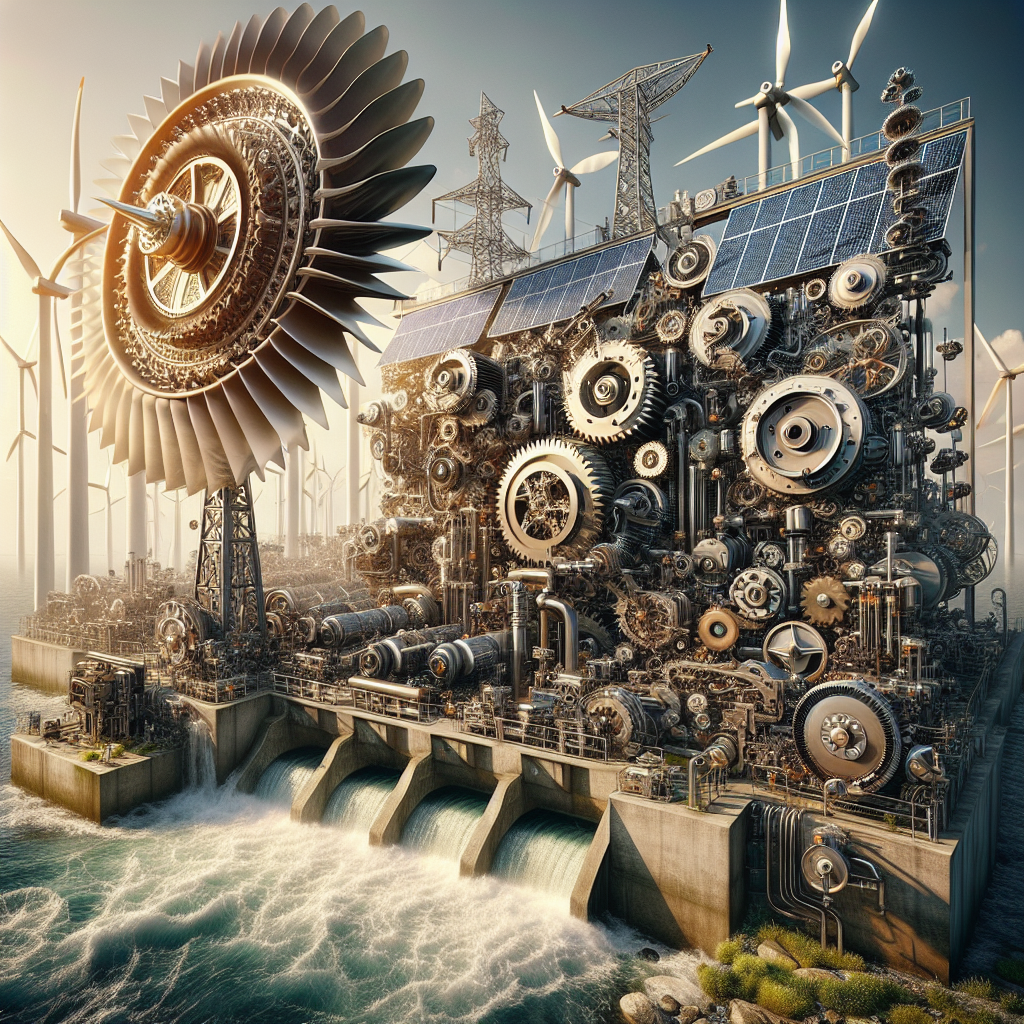
The field of Mechanics of Machines in Engineering is a cornerstone of modern technological advancements, playing a pivotal role in the design, analysis, and optimization of mechanical systems. One of the most promising and rapidly evolving areas within this field is the application of machine mechanics in renewable energy systems. As the world grapples with the pressing need to transition from fossil fuels to sustainable energy sources, the mechanics of machines in renewable energy systems has emerged as a critical area of research and development. This article delves into the importance, principles, historical development, applications, advanced topics, challenges, and future prospects of this fascinating subject.
Fundamentals
Basic Principles and Concepts
The mechanics of machines involves the study of forces and motion in mechanical systems. In the context of renewable energy systems, this encompasses the design and analysis of machinery used to harness energy from natural sources such as wind, solar, hydro, and geothermal. Key principles include:
- Dynamics: The study of forces and torques and their effect on motion.
- Kinematics: The study of motion without considering the forces that cause it.
- Statics: The study of forces in systems that are in equilibrium.
- Energy Conversion: The process of converting energy from one form to another, such as kinetic energy to electrical energy.
Key Terms
- Torque: A measure of the force that can cause an object to rotate about an axis.
- Efficiency: The ratio of useful energy output to the total energy input.
- Load: The external force or weight supported by a machine or structure.
- Gear Ratio: The ratio of the rotational speeds of two or more interconnected gears.
Historical Development
The application of mechanics in renewable energy systems has a rich history, marked by significant milestones and contributions from notable figures.
Early Innovations
The use of wind and water to generate mechanical power dates back to ancient civilizations. The Greeks and Romans used water wheels for grinding grain, while windmills were first developed in Persia around the 9th century. These early machines laid the groundwork for modern renewable energy systems.
Industrial Revolution
The Industrial Revolution brought about significant advancements in machine mechanics. James Watt’s improvements to the steam engine in the 18th century revolutionized energy conversion and paved the way for more efficient mechanical systems. This period also saw the development of more sophisticated windmills and water turbines.
20th Century and Beyond
The 20th century witnessed rapid advancements in renewable energy technologies. The development of photovoltaic cells in the 1950s enabled the direct conversion of sunlight into electricity. The 1970s energy crisis spurred further research into alternative energy sources, leading to significant improvements in wind and solar power technologies. Notable figures such as Danish engineer Poul la Cour and American inventor Charles F. Brush made significant contributions to wind energy technology.
Applications
The mechanics of machines in renewable energy systems has a wide range of practical applications across various industries.
Wind Energy
Wind turbines are a prime example of the application of machine mechanics in renewable energy. These machines convert the kinetic energy of wind into electrical energy through the use of rotor blades, a gearbox, and a generator. Modern wind turbines are highly efficient and can generate significant amounts of electricity, making them a key component of the global renewable energy mix.
Solar Energy
Solar tracking systems use mechanical principles to optimize the orientation of solar panels, maximizing their exposure to sunlight. These systems can significantly increase the efficiency of solar power generation. Additionally, solar thermal power plants use mirrors and lenses to concentrate sunlight onto a small area, generating heat that is then converted into electricity using turbines and generators.
Hydropower
Hydropower plants use the potential energy of stored water to generate electricity. The mechanics of machines in these systems involve the design and optimization of turbines, which convert the kinetic energy of flowing water into mechanical energy. This mechanical energy is then converted into electrical energy using generators.
Geothermal Energy
Geothermal power plants use the heat from the Earth’s interior to generate electricity. The mechanics of machines in these systems involve the design of turbines and heat exchangers that can efficiently convert thermal energy into mechanical and electrical energy.
Advanced Topics
Recent research and innovations have led to the development of advanced concepts and techniques in the mechanics of machines in renewable energy systems.
Smart Grids
Smart grids use advanced communication and control technologies to optimize the distribution and consumption of electricity. The integration of renewable energy sources into smart grids requires sophisticated mechanical systems that can efficiently manage the variability and intermittency of these sources.
Energy Storage
Energy storage systems, such as batteries and flywheels, are essential for balancing supply and demand in renewable energy systems. The mechanics of machines in these systems involve the design of efficient and reliable storage devices that can store and release energy as needed.
Advanced Materials
The development of advanced materials, such as high-strength composites and lightweight alloys, has led to significant improvements in the performance and efficiency of renewable energy machines. These materials enable the design of more efficient and durable components, such as rotor blades and turbine housings.
Future Trends
Future trends in the mechanics of machines in renewable energy systems include the development of more efficient and cost-effective technologies, the integration of artificial intelligence and machine learning for optimized control and operation, and the exploration of new energy sources, such as tidal and wave energy.
Challenges and Considerations
Despite the significant advancements in the field, there are several challenges and considerations associated with the mechanics of machines in renewable energy systems.
Intermittency and Variability
Renewable energy sources, such as wind and solar, are inherently intermittent and variable. This poses challenges for the design and operation of mechanical systems that must efficiently manage these fluctuations.
Cost and Efficiency
The cost and efficiency of renewable energy machines are critical factors that influence their adoption and deployment. Ongoing research and development are focused on reducing costs and improving efficiency through the use of advanced materials, innovative designs, and optimized control strategies.
Environmental Impact
While renewable energy systems have a lower environmental impact compared to fossil fuels, there are still considerations related to the manufacturing, installation, and disposal of mechanical components. Sustainable practices and recycling technologies are essential for minimizing the environmental footprint of these systems.
Maintenance and Reliability
The maintenance and reliability of renewable energy machines are crucial for ensuring their long-term performance and cost-effectiveness. Advanced monitoring and diagnostic techniques, such as predictive maintenance and condition-based monitoring, are being developed to address these challenges.
Conclusion
The mechanics of machines in renewable energy systems is a dynamic and rapidly evolving field that plays a crucial role in the transition to sustainable energy sources. From wind turbines and solar tracking systems to hydropower plants and geothermal power stations, the application of mechanical principles and advanced technologies is driving significant advancements in renewable energy. While there are challenges and considerations to address, ongoing research and innovation are paving the way for more efficient, cost-effective, and environmentally friendly energy solutions. As the world continues to prioritize sustainability, the importance of the mechanics of machines in renewable energy systems will only continue to grow, making it a vital area of focus for engineers and researchers alike.