Mechanics of Machines in Marine Engineering
Introduction
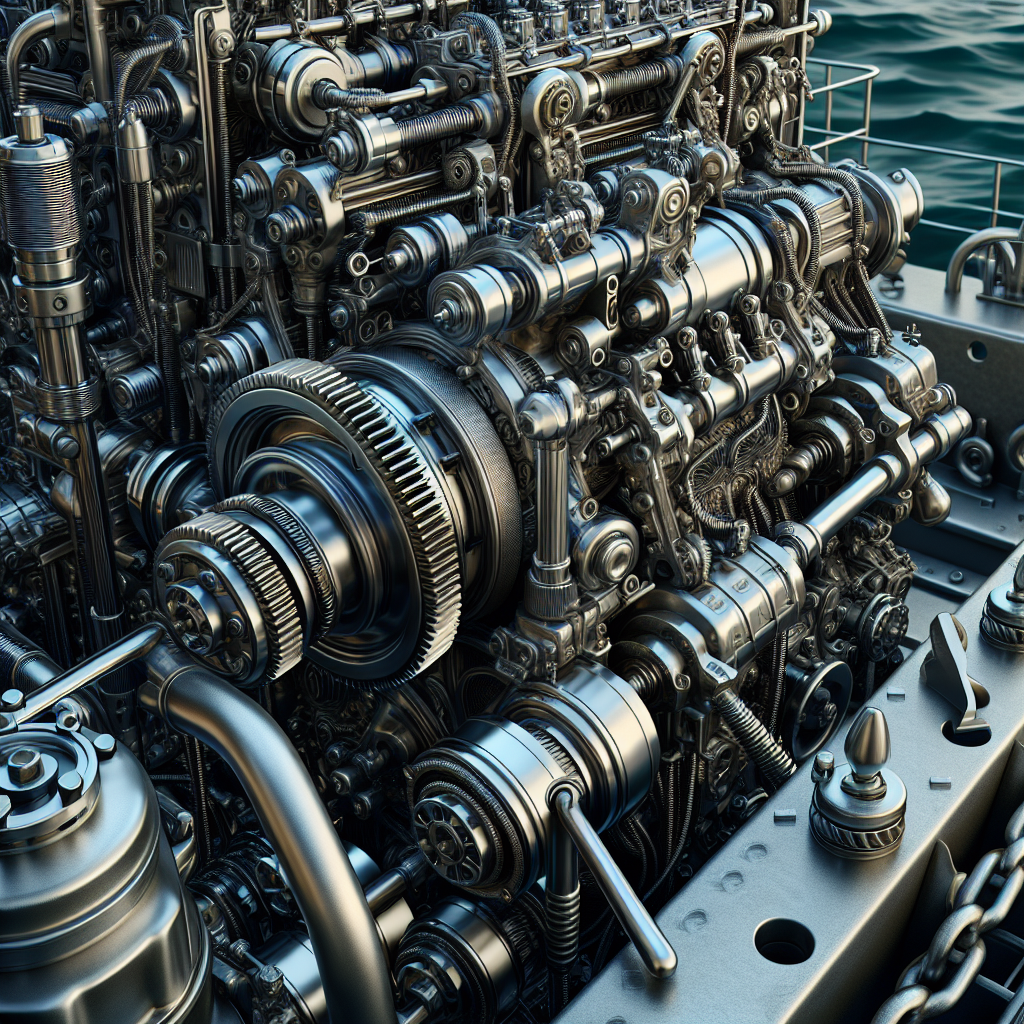
The field of Mechanics of Machines in Marine Engineering is a critical area of study that combines principles of mechanical engineering with the unique challenges posed by marine environments. This discipline focuses on the design, analysis, and maintenance of machinery used in marine vessels, including ships, submarines, and offshore platforms. The importance of this field cannot be overstated, as it ensures the safe and efficient operation of marine vessels, which are vital for global trade, defense, and exploration. This article delves into the various aspects of Mechanics of Machines in Marine Engineering, providing a comprehensive overview of its fundamentals, historical development, applications, advanced topics, and challenges.
Fundamentals
Basic Principles and Concepts
At its core, the Mechanics of Machines in Marine Engineering involves the study of forces and motions in mechanical systems. Key principles include:
- Statics: The study of forces in systems that are in equilibrium.
- Dynamics: The study of forces and torques and their effect on motion.
- Kinematics: The study of motion without considering the forces that cause it.
- Kinetics: The study of the relationship between motion and its causes.
Key Terms
- Torque: A measure of the force that can cause an object to rotate about an axis.
- Hydrodynamics: The study of fluids in motion, particularly important in understanding how water interacts with marine vessels.
- Propulsion: The means by which a vessel is moved through water, typically involving engines and propellers.
- Hull: The main body of a ship or other vessel.
Historical Development
The development of Mechanics of Machines in Marine Engineering has a rich history, marked by significant milestones and contributions from notable figures.
Early Innovations
In ancient times, the earliest forms of marine engineering were rudimentary, involving simple rafts and boats. The invention of the sail and the development of oars allowed for more efficient navigation and control.
Industrial Revolution
The Industrial Revolution brought about significant advancements in marine engineering. The introduction of steam engines revolutionized marine propulsion, allowing ships to travel faster and more reliably. Notable figures such as James Watt and Isambard Kingdom Brunel made significant contributions during this period.
Modern Era
In the 20th century, the advent of diesel engines and nuclear propulsion further advanced marine engineering. The development of sophisticated control systems and materials technology has enabled the construction of larger, more efficient, and safer vessels.
Applications
The principles of Mechanics of Machines in Marine Engineering are applied in various industries and fields. Here are some notable examples:
Commercial Shipping
Commercial shipping relies heavily on marine engineering to design and maintain vessels that can transport goods across the globe. The efficiency and reliability of these vessels are crucial for global trade.
Naval Engineering
Naval engineering involves the design and maintenance of military vessels, including aircraft carriers, submarines, and destroyers. Advanced propulsion systems, stealth technology, and weapon systems are key areas of focus.
Offshore Engineering
Offshore engineering involves the design and maintenance of structures used in the exploration and extraction of oil and gas. This includes offshore platforms, drilling rigs, and support vessels.
Recreational Boating
Marine engineering also plays a role in the design and maintenance of recreational boats and yachts. This includes ensuring safety, performance, and comfort for leisure activities.
Advanced Topics
As technology advances, so too does the field of Mechanics of Machines in Marine Engineering. Here are some of the latest trends and innovations:
Autonomous Vessels
The development of autonomous vessels is a significant trend in marine engineering. These vessels use advanced sensors, artificial intelligence, and control systems to navigate and operate without human intervention. Research in this area focuses on improving reliability, safety, and efficiency.
Green Propulsion Systems
Environmental concerns have led to the development of green propulsion systems, such as electric and hybrid engines, as well as the use of alternative fuels like LNG (liquefied natural gas) and hydrogen. These technologies aim to reduce emissions and improve fuel efficiency.
Advanced Materials
The use of advanced materials, such as composites and high-strength alloys, is becoming more prevalent in marine engineering. These materials offer improved strength-to-weight ratios, corrosion resistance, and durability, leading to more efficient and longer-lasting vessels.
Challenges and Considerations
Despite the advancements in Mechanics of Machines in Marine Engineering, several challenges and considerations remain:
Environmental Impact
The environmental impact of marine vessels, including emissions and pollution, is a significant concern. Regulations and standards are continually evolving to address these issues, and engineers must design vessels that comply with these requirements.
Maintenance and Reliability
Ensuring the reliability and longevity of marine machinery is crucial. Regular maintenance and the use of advanced diagnostic tools are essential to prevent failures and extend the lifespan of equipment.
Cost and Efficiency
The cost of developing and maintaining advanced marine machinery can be high. Engineers must balance the need for cutting-edge technology with cost-effectiveness to ensure the economic viability of marine operations.
Safety
Safety is paramount in marine engineering. Engineers must design systems that can withstand harsh marine environments and ensure the safety of crew and passengers. This includes addressing issues such as stability, fire safety, and emergency response.
Conclusion
The field of Mechanics of Machines in Marine Engineering is a dynamic and essential area of study that plays a crucial role in the design, operation, and maintenance of marine vessels. From its historical roots to modern advancements, this discipline continues to evolve, driven by technological innovations and the need to address environmental and safety concerns. As we look to the future, the continued development of autonomous vessels, green propulsion systems, and advanced materials will shape the next generation of marine engineering. Despite the challenges, the importance of this field in ensuring the safe, efficient, and sustainable operation of marine vessels cannot be overstated.