Automotive Powertrains
Introduction
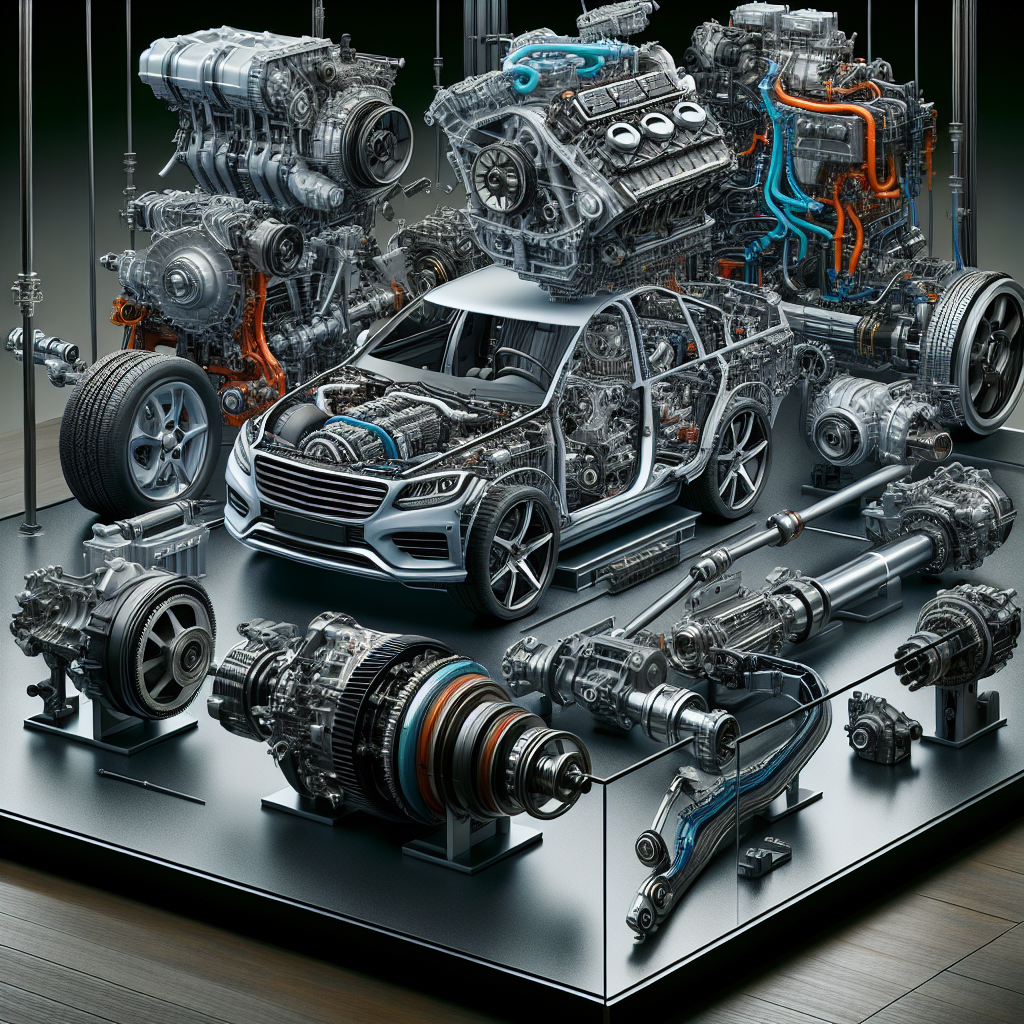
In the realm of automotive engineering, the powertrain is a critical component that significantly influences the performance, efficiency, and overall driving experience of a vehicle. The term “powertrain” encompasses all the components that generate power and deliver it to the road surface, including the engine, transmission, driveshafts, differentials, and the final drive. Understanding automotive powertrains is essential for engineers, as it involves a complex interplay of mechanical, electrical, and control systems. This article delves into the fundamentals, historical development, applications, advanced topics, and challenges associated with automotive powertrains, providing a comprehensive overview of this pivotal subject in automotive engineering.
Fundamentals
Basic Principles and Concepts
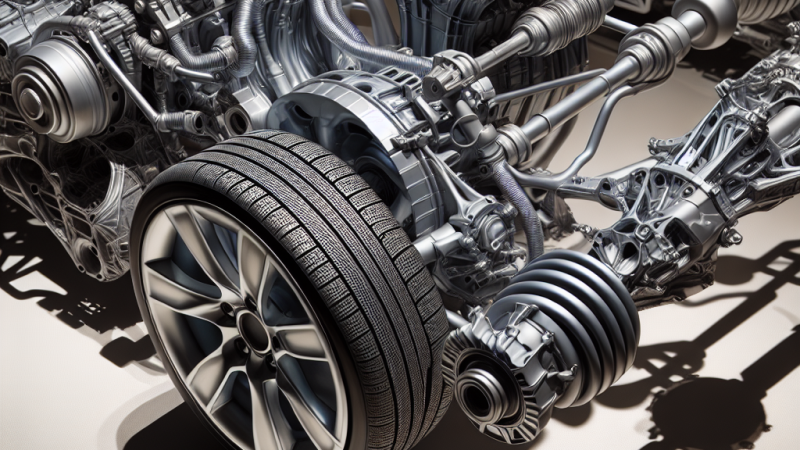
The powertrain is the heart of any vehicle, responsible for converting fuel into motion. The primary components of a powertrain include:
- Engine: The engine is the power source, converting fuel into mechanical energy through internal combustion or electric motors in the case of electric vehicles (EVs).
- Transmission: The transmission adjusts the engine’s output to the drive wheels, allowing the vehicle to operate efficiently at various speeds.
- Driveshaft: The driveshaft transmits torque from the transmission to the differential.
- Differential: The differential distributes power to the drive wheels while allowing them to rotate at different speeds, essential for cornering.
- Final Drive: The final drive is the last stage in the powertrain, reducing the speed and increasing the torque before it reaches the wheels.
Key terms in powertrain engineering include:
- Torque: A measure of rotational force produced by the engine.
- Horsepower: A measure of the engine’s power output.
- Efficiency: The ratio of useful power output to the total power input.
- Drivetrain: Often used interchangeably with powertrain, though it typically excludes the engine.
Historical Development
Early Innovations
The development of automotive powertrains dates back to the late 19th century with the invention of the internal combustion engine by Nikolaus Otto and the subsequent creation of the first practical automobile by Karl Benz in 1885. These early vehicles featured simple, single-speed transmissions and rudimentary drivetrains.
20th Century Advancements
The 20th century saw significant advancements in powertrain technology. The introduction of multi-speed transmissions, such as the planetary gearset by Henry Ford in the Model T, revolutionized vehicle performance and efficiency. The development of automatic transmissions in the 1940s further enhanced driving convenience.
Modern Era
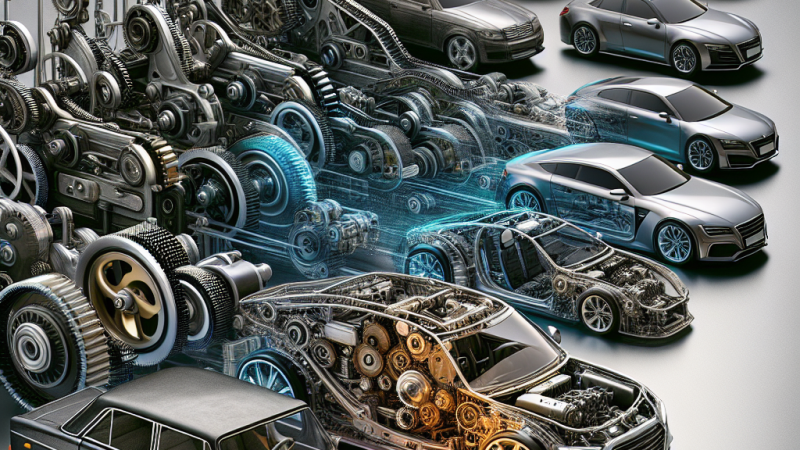
In recent decades, the focus has shifted towards improving fuel efficiency and reducing emissions. The advent of hybrid powertrains, combining internal combustion engines with electric motors, marked a significant milestone. The rise of electric vehicles (EVs) and advancements in battery technology have further transformed the landscape of automotive powertrains.
Applications
Passenger Vehicles
In passenger vehicles, powertrains are designed to balance performance, fuel efficiency, and comfort. Modern cars often feature advanced technologies such as turbocharging, direct fuel injection, and continuously variable transmissions (CVTs) to optimize these parameters.
Commercial Vehicles
Commercial vehicles, including trucks and buses, require robust powertrains capable of handling heavy loads and long distances. Diesel engines are commonly used due to their high torque output and fuel efficiency. Recent trends include the adoption of hybrid and electric powertrains to reduce operational costs and emissions.
High-Performance Vehicles
In high-performance vehicles, powertrains are engineered for maximum power and speed. Technologies such as dual-clutch transmissions (DCTs), all-wheel drive (AWD) systems, and advanced aerodynamics are employed to achieve superior performance.
Case Studies
One notable example is the Toyota Prius, which popularized hybrid powertrains by combining a gasoline engine with an electric motor, significantly improving fuel efficiency and reducing emissions. Another example is the Tesla Model S, an all-electric vehicle that showcases the potential of electric powertrains in delivering high performance and long-range capabilities.
Advanced Topics
Electric Powertrains
Electric powertrains are at the forefront of automotive innovation. They consist of electric motors, battery packs, and power electronics. Recent advancements include solid-state batteries, which promise higher energy density and faster charging times, and the development of more efficient electric motors.
Hybrid Powertrains
Hybrid powertrains combine internal combustion engines with electric motors to optimize fuel efficiency and performance. Plug-in hybrids (PHEVs) offer the flexibility of running on electric power for short distances while retaining the range of conventional vehicles.
Autonomous Vehicles
Autonomous vehicles rely on advanced powertrains integrated with sophisticated control systems. These powertrains must be highly efficient and reliable to support the extensive computational requirements of autonomous driving systems.
Recent Research and Innovations
Recent research in powertrain technology focuses on improving energy efficiency, reducing emissions, and enhancing performance. Innovations include the development of advanced combustion techniques, lightweight materials, and integrated powertrain control systems.
Challenges and Considerations
Environmental Impact
One of the primary challenges in powertrain engineering is reducing the environmental impact of vehicles. This includes minimizing greenhouse gas emissions, reducing fuel consumption, and managing the lifecycle impact of batteries in electric vehicles.
Cost and Complexity
Advanced powertrain technologies often come with increased cost and complexity. Balancing performance, efficiency, and affordability is a significant challenge for engineers and manufacturers.
Infrastructure
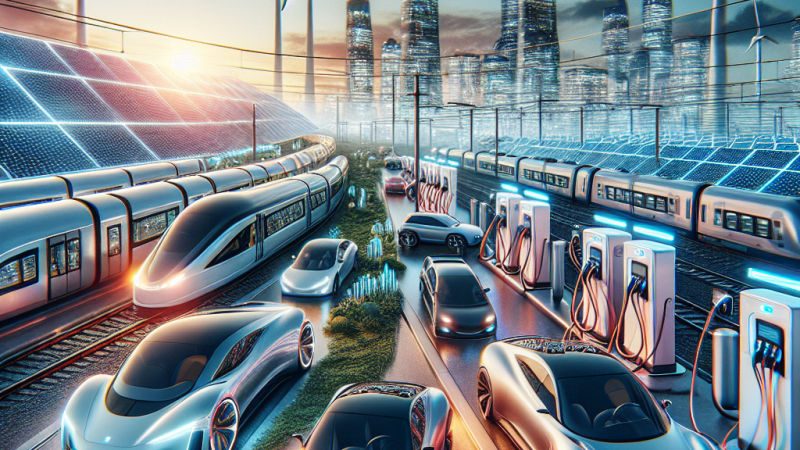
The widespread adoption of electric and hybrid vehicles requires substantial infrastructure development, including charging stations and grid capacity. Ensuring the availability and reliability of this infrastructure is crucial for the success of these technologies.
Potential Solutions
Potential solutions to these challenges include continued research and development in alternative fuels, such as hydrogen, and the implementation of smart grid technologies to support electric vehicle charging. Additionally, advancements in materials science and manufacturing processes can help reduce costs and improve the performance of powertrain components.
Conclusion
Automotive powertrains are a cornerstone of vehicle engineering, encompassing a wide range of technologies and systems that work together to deliver power and motion. From the early days of internal combustion engines to the modern era of electric and hybrid powertrains, the evolution of powertrain technology has been marked by significant advancements and innovations. As the automotive industry continues to evolve, addressing challenges such as environmental impact, cost, and infrastructure will be crucial for the development of efficient, sustainable, and high-performance powertrains. Understanding the complexities and potential of automotive powertrains is essential for engineers and industry professionals, as it plays a vital role in shaping the future of transportation.