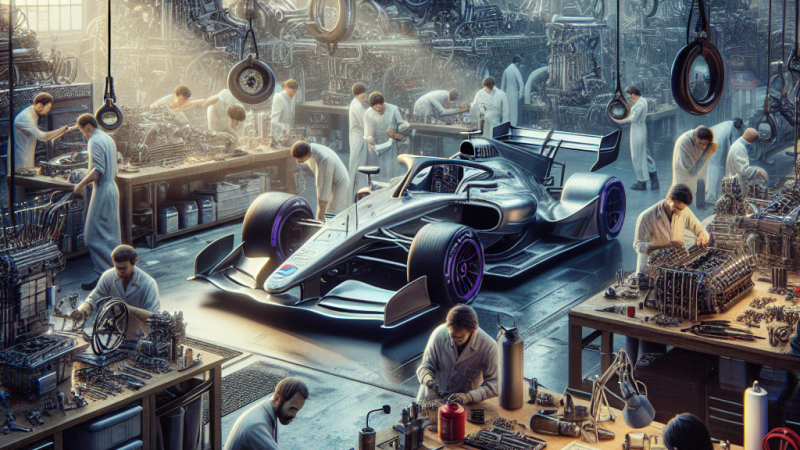
Innovations in Automotive Engineering
Introduction
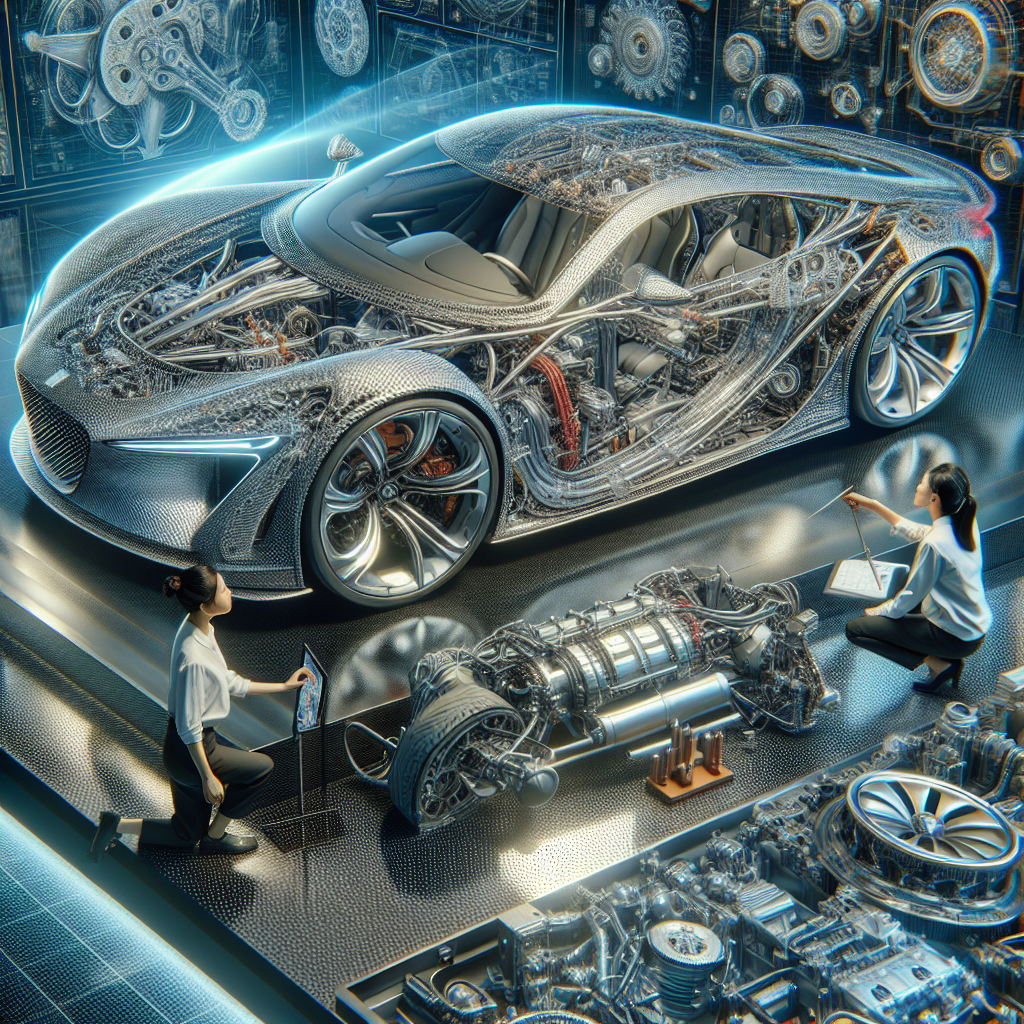
Innovations in automotive engineering have revolutionized the way we perceive and interact with vehicles. From the advent of the internal combustion engine to the rise of electric and autonomous vehicles, the field of automotive engineering has consistently pushed the boundaries of technology and design. This article delves into the importance and relevance of these innovations, exploring their impact on the automotive industry and society at large.
Fundamentals
Basic Principles and Concepts
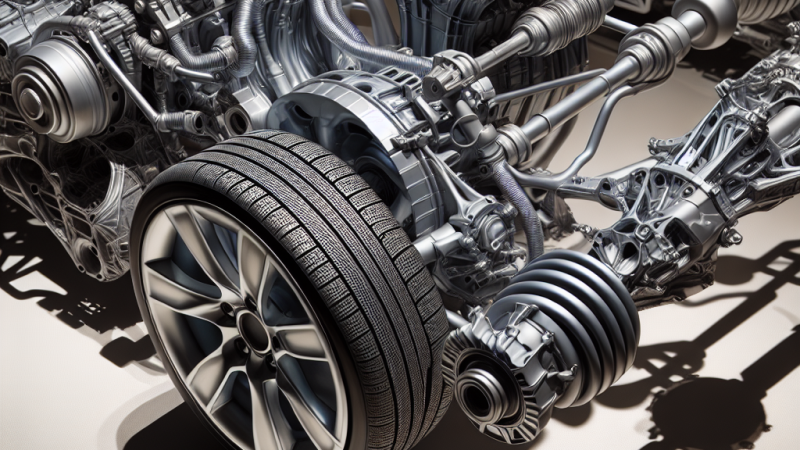
Automotive engineering is a branch of vehicle engineering that incorporates elements of mechanical, electrical, electronic, software, and safety engineering. The primary goal is to design, develop, manufacture, and test vehicles and their subsystems. Key principles include:
- Internal Combustion Engine (ICE): A heat engine where the combustion of fuel occurs with an oxidizer in a combustion chamber.
- Electric Vehicles (EVs): Vehicles powered by electric motors using energy stored in batteries.
- Hybrid Vehicles: Vehicles that use a combination of internal combustion engines and electric propulsion systems.
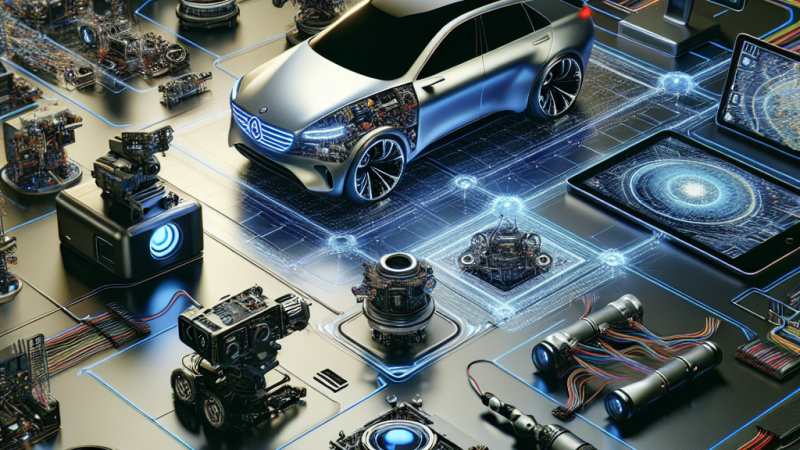
- Autonomous Vehicles: Self-driving cars that use sensors, cameras, and artificial intelligence to navigate without human intervention.
Key Terms
- Torque: A measure of the rotational force applied to an object.
- Horsepower: A unit of measurement for power, indicating the rate at which work is done.
- Regenerative Braking: A mechanism in electric and hybrid vehicles that recovers energy during braking and stores it in the battery.
- Telematics: The integration of telecommunications and informatics to provide vehicle data and connectivity.
Historical Development
Early Innovations
The history of automotive engineering dates back to the late 19th century with the invention of the internal combustion engine by Nikolaus Otto. Karl Benz is credited with creating the first practical automobile in 1885, which laid the foundation for modern automotive engineering.
Key Milestones
- 1908: Henry Ford introduced the Model T, revolutionizing mass production techniques with the assembly line.
- 1930s: The development of independent suspension systems improved vehicle handling and comfort.
- 1970s: The oil crisis spurred innovations in fuel efficiency and the development of smaller, more economical cars.
- 1997: Toyota launched the Prius, the first mass-produced hybrid vehicle, marking a significant shift towards sustainable automotive technologies.
- 2010s: The rise of electric vehicles, led by companies like Tesla, and advancements in autonomous driving technologies.
Applications
Automotive Industry
Innovations in automotive engineering have far-reaching applications in the automotive industry. These include:
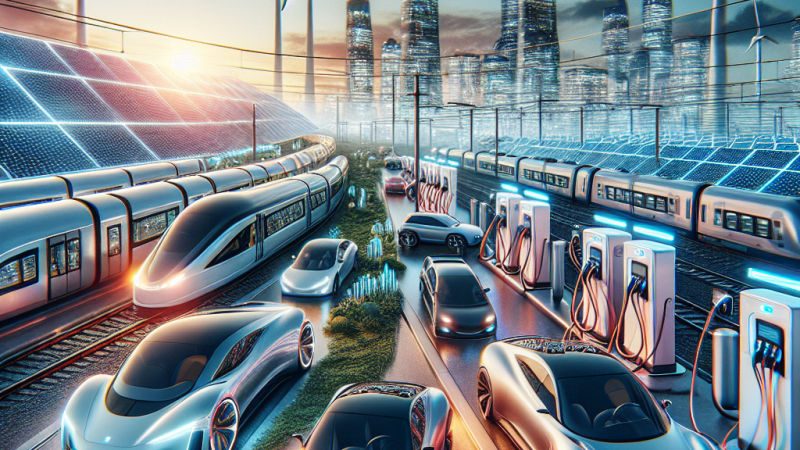
- Electric Vehicles (EVs): Companies like Tesla, Nissan, and Chevrolet have developed electric cars that offer zero emissions and reduced operating costs.
- Autonomous Vehicles: Companies such as Waymo and Uber are pioneering self-driving technology, aiming to reduce accidents and improve traffic efficiency.
- Advanced Driver Assistance Systems (ADAS): Features like adaptive cruise control, lane-keeping assist, and automatic emergency braking enhance safety and convenience.
Other Industries
Beyond the automotive industry, innovations in automotive engineering have applications in various fields:
- Aerospace: Lightweight materials and aerodynamic designs developed for cars are also used in aircraft manufacturing.
- Renewable Energy: Battery technology advancements for electric vehicles contribute to energy storage solutions for renewable energy systems.
- Telecommunications: Telematics systems developed for vehicles are used in fleet management and logistics.
Advanced Topics
Recent Research and Innovations
Recent advancements in automotive engineering include:
- Solid-State Batteries: Offering higher energy density and faster charging times compared to traditional lithium-ion batteries.
- Vehicle-to-Everything (V2X) Communication: Enabling vehicles to communicate with each other and infrastructure to improve safety and traffic management.
- Artificial Intelligence (AI): Enhancing autonomous driving capabilities through machine learning and computer vision.
Future Trends
The future of automotive engineering is poised to be shaped by several key trends:
- Electrification: The shift towards electric vehicles is expected to continue, driven by environmental concerns and regulatory pressures.
- Autonomy: Advances in AI and sensor technology will bring fully autonomous vehicles closer to reality.
- Connectivity: The integration of 5G technology will enable more sophisticated vehicle-to-vehicle and vehicle-to-infrastructure communication.
Challenges and Considerations
Technical Challenges
Despite the advancements, several technical challenges remain:
- Battery Technology: Improving energy density, reducing charging times, and extending battery life are ongoing challenges for electric vehicles.
- Autonomous Driving: Ensuring the safety and reliability of self-driving cars in diverse and unpredictable environments.
- Cybersecurity: Protecting connected vehicles from hacking and data breaches.
Regulatory and Ethical Considerations
Regulatory and ethical considerations also play a crucial role:
- Regulations: Governments need to establish clear regulations for autonomous vehicles and electric vehicle infrastructure.
- Ethics: Addressing ethical dilemmas in autonomous driving, such as decision-making in accident scenarios.
Potential Solutions
Potential solutions to these challenges include:
- Research and Development: Continued investment in R&D to overcome technical barriers and improve existing technologies.
- Collaboration: Collaboration between industry, academia, and government to develop standards and regulations.
- Public Awareness: Educating the public about the benefits and limitations of new automotive technologies.
Conclusion
Innovations in automotive engineering have transformed the automotive industry and have far-reaching implications for various other fields. From the development of electric and autonomous vehicles to advancements in battery technology and AI, the field continues to evolve at a rapid pace. While challenges remain, ongoing research and collaboration hold the promise of overcoming these obstacles and driving further advancements. The importance of these innovations cannot be overstated, as they pave the way for a more sustainable, efficient, and safer future in transportation.