Electrification of Transportation
Introduction
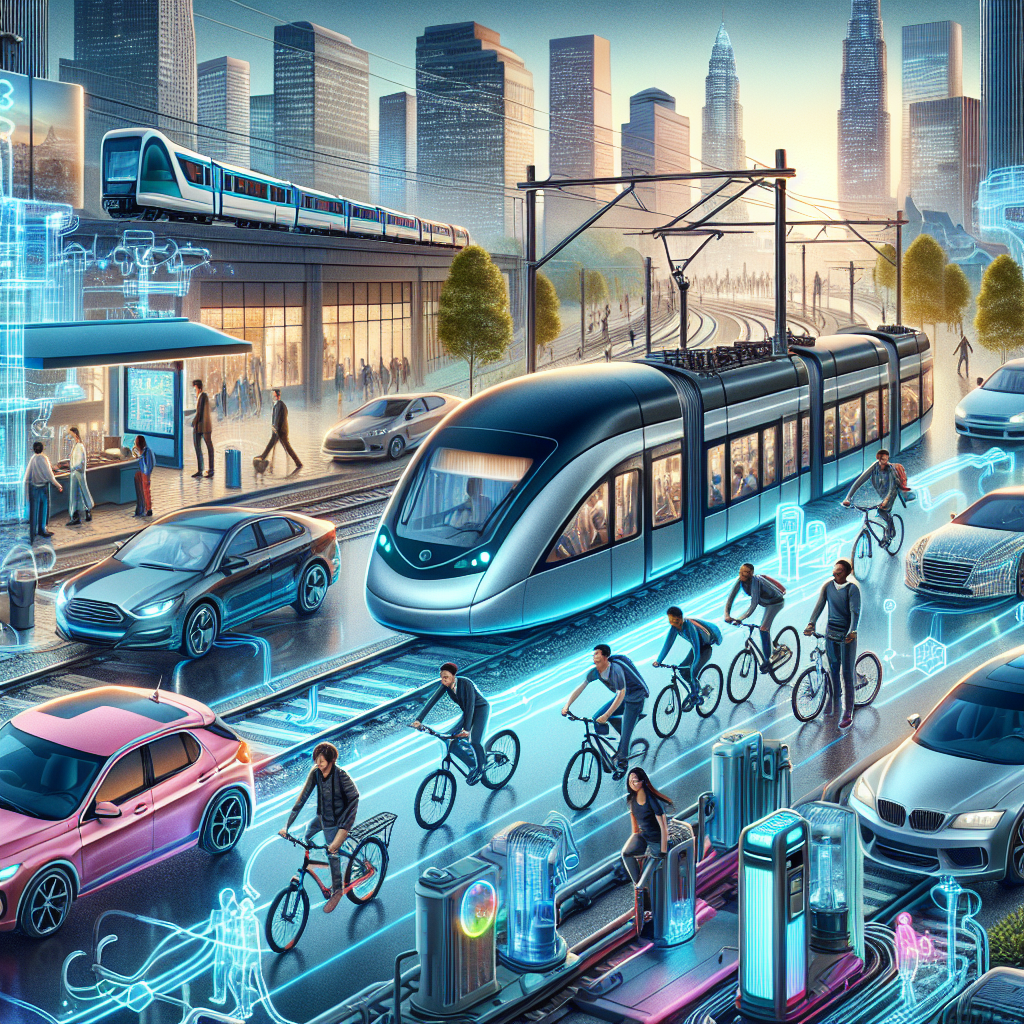
The electrification of transportation is a transformative trend in the field of automotive engineering, driven by the need for sustainable and efficient mobility solutions. As the world grapples with the adverse effects of climate change and the depletion of fossil fuels, the shift towards electric vehicles (EVs) and other forms of electrified transportation has gained significant momentum. This article delves into the various aspects of electrification in transportation, highlighting its importance, fundamental principles, historical development, practical applications, advanced topics, challenges, and future prospects.
Fundamentals
Basic Principles and Concepts
Electrification of transportation involves replacing traditional internal combustion engine (ICE) vehicles with electric-powered alternatives. The core components of an electric vehicle include:
- Electric Motor: Converts electrical energy into mechanical energy to drive the vehicle.
- Battery Pack: Stores electrical energy to power the motor.
- Power Electronics: Manages the flow of electrical energy between the battery and the motor.
- Charging System: Replenishes the battery’s energy from an external power source.
Key terms in this field include:
- Range: The distance an EV can travel on a single charge.
- Regenerative Braking: A system that recovers energy during braking and stores it in the battery.
- Plug-in Hybrid Electric Vehicle (PHEV): A vehicle that combines an ICE with an electric motor and can be charged via an external power source.
- Battery Electric Vehicle (BEV): A vehicle powered solely by an electric battery.
Historical Development
Early Innovations
The concept of electric vehicles dates back to the 19th century. In 1828, Hungarian engineer Ányos Jedlik created a small-scale model of a vehicle powered by a simple electric motor. By the late 1800s, inventors like Thomas Davenport and Robert Anderson had developed rudimentary electric carriages.
20th Century Developments
Despite early innovations, the mass adoption of electric vehicles was hindered by the advent of gasoline-powered cars, which offered greater range and convenience. However, the oil crises of the 1970s rekindled interest in electric transportation. Notable figures like Victor Wouk and Ferdinand Porsche made significant contributions during this period, with Wouk developing one of the first hybrid electric vehicles and Porsche designing an early electric car.
Modern Era
The 21st century has witnessed a resurgence in electric vehicle development, driven by advancements in battery technology, environmental concerns, and government incentives. Companies like Tesla, Nissan, and Chevrolet have played pivotal roles in popularizing EVs, with Tesla’s Model S and Nissan’s Leaf becoming iconic models in the industry.
Applications
Automotive Industry
The most prominent application of electrification is in the automotive industry. Electric cars, buses, and trucks are becoming increasingly common on roads worldwide. For instance, the Tesla Model 3 has set new standards for electric sedans, while companies like Rivian and Nikola are pioneering electric trucks and commercial vehicles.
Public Transportation
Electrification is also transforming public transportation. Electric buses, such as those produced by BYD and Proterra, offer zero-emission alternatives to traditional diesel buses. Cities like Shenzhen in China have fully electrified their bus fleets, significantly reducing urban air pollution.
Rail and Aviation
Electrification extends beyond road vehicles. Electric trains have been in use for decades, offering efficient and reliable transportation. More recently, the aviation industry is exploring electric aircraft, with companies like Eviation and Ampaire developing electric planes for short-haul flights.
Marine Transportation
The maritime industry is also embracing electrification. Electric ferries and cargo ships are being developed to reduce emissions and operational costs. For example, Norway’s Ampere ferry operates entirely on electric power, showcasing the potential for sustainable marine transportation.
Advanced Topics
Battery Technology
Advancements in battery technology are crucial for the future of electrified transportation. Research is focused on developing batteries with higher energy densities, faster charging times, and longer lifespans. Solid-state batteries, which replace liquid electrolytes with solid materials, are a promising innovation in this field.
Autonomous Electric Vehicles
The integration of autonomous driving technology with electric vehicles is another exciting development. Companies like Waymo and Tesla are working on self-driving electric cars that could revolutionize transportation by enhancing safety, reducing traffic congestion, and providing mobility solutions for the elderly and disabled.
Wireless Charging
Wireless charging technology aims to simplify the charging process for electric vehicles. By using electromagnetic fields to transfer energy between a charging pad and the vehicle, this technology could eliminate the need for physical connectors and make charging more convenient.
Vehicle-to-Grid (V2G) Technology
V2G technology allows electric vehicles to interact with the power grid, providing energy storage and grid stabilization services. This technology can help balance supply and demand, integrate renewable energy sources, and reduce electricity costs for consumers.
Challenges and Considerations
Infrastructure Development
The widespread adoption of electric vehicles requires a robust charging infrastructure. While urban areas are seeing rapid growth in charging stations, rural and remote regions still face significant challenges. Governments and private companies must collaborate to expand charging networks and ensure accessibility for all users.
Battery Recycling and Disposal
The environmental impact of battery production and disposal is a critical concern. Developing efficient recycling methods and sustainable materials for batteries is essential to minimize the ecological footprint of electric vehicles. Companies like Redwood Materials are pioneering efforts in battery recycling to address this issue.
Range Anxiety
Range anxiety, or the fear of running out of battery power before reaching a charging station, remains a significant barrier to EV adoption. Improving battery technology, expanding charging infrastructure, and providing accurate range estimates can help alleviate this concern.
Cost and Affordability
While the cost of electric vehicles has decreased over the years, they still tend to be more expensive than their ICE counterparts. Government incentives, economies of scale, and advancements in manufacturing processes are essential to making EVs more affordable for the average consumer.
Conclusion
The electrification of transportation is a pivotal development in automotive engineering, offering a sustainable and efficient alternative to traditional fossil fuel-powered vehicles. From early innovations to modern advancements, the journey of electrification has been marked by significant milestones and contributions from visionary engineers and companies. As we look to the future, continued research and innovation in battery technology, autonomous driving, wireless charging, and V2G technology will shape the next generation of electric vehicles.
Despite the challenges, the benefits of electrified transportation—reduced emissions, lower operational costs, and enhanced energy efficiency—underscore its importance in addressing global environmental and energy concerns. By overcoming these challenges and embracing the potential of electrification, we can pave the way for a cleaner, greener, and more sustainable future in transportation.