Automotive Electrical Systems
Introduction
Automotive electrical systems are a cornerstone of modern vehicle design and functionality. These systems encompass a wide range of components and technologies that work together to power, control, and enhance the performance of vehicles. From the basic ignition system to advanced driver-assistance systems (ADAS), automotive electrical systems are integral to the safety, efficiency, and comfort of contemporary automobiles. In the field of Automotive Engineering, understanding these systems is crucial for designing and maintaining vehicles that meet the demands of today’s consumers and regulatory standards.
Fundamentals
Basic Principles and Concepts
Automotive electrical systems operate on the principles of electricity and electronics. At their core, these systems involve the generation, storage, and distribution of electrical energy to various components within the vehicle. Key concepts include:
- Voltage (V): The potential difference that drives the flow of electric current.
- Current (I): The flow of electric charge, measured in amperes (A).
- Resistance (R): The opposition to the flow of current, measured in ohms (Ω).
- Power (P): The rate at which electrical energy is consumed or generated, measured in watts (W).
Key Components
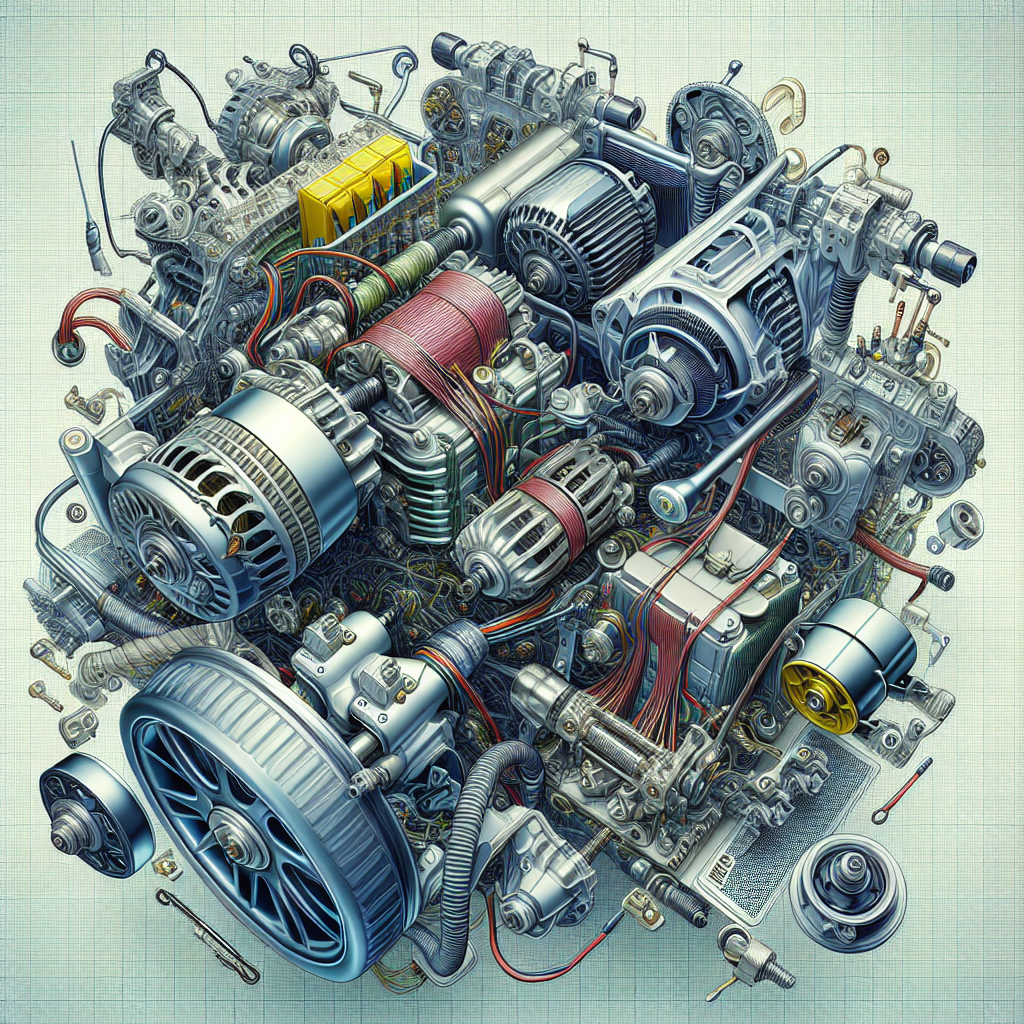
Several key components make up automotive electrical systems:
- Battery: Stores electrical energy and provides power to start the engine and run electrical accessories.
- Alternator: Generates electrical power while the engine is running and charges the battery.
- Starter Motor: Uses electrical energy from the battery to start the engine.
- Fuses and Relays: Protect electrical circuits from overload and control the flow of electricity.
- Wiring Harness: A network of wires that distribute electrical power and signals throughout the vehicle.
Historical Development
Early Innovations
The development of automotive electrical systems dates back to the early 20th century. The introduction of the electric starter motor by Charles Kettering in 1912 was a significant milestone, eliminating the need for hand-cranking engines. This innovation made vehicles more accessible and user-friendly.
Mid-20th Century Advances
During the mid-20th century, automotive electrical systems saw significant advancements. The introduction of alternators in the 1960s replaced generators, providing more reliable and efficient power generation. The development of electronic ignition systems in the 1970s improved engine performance and fuel efficiency.
Modern Developments
In recent decades, the integration of microprocessors and digital electronics has revolutionized automotive electrical systems. Modern vehicles feature complex electronic control units (ECUs) that manage everything from engine performance to infotainment systems. The advent of hybrid and electric vehicles has further expanded the scope and complexity of automotive electrical systems.
Applications
Engine Management Systems
Engine management systems (EMS) are critical for optimizing engine performance, fuel efficiency, and emissions. These systems use sensors to monitor engine parameters and adjust fuel injection, ignition timing, and other variables in real-time.
Safety Systems
Automotive electrical systems play a vital role in vehicle safety. Anti-lock braking systems (ABS), electronic stability control (ESC), and airbag systems rely on sophisticated electrical and electronic components to function effectively.
Comfort and Convenience
Modern vehicles are equipped with numerous electrical systems designed to enhance comfort and convenience. These include climate control systems, power windows and seats, and advanced infotainment systems.
Advanced Driver-Assistance Systems (ADAS)
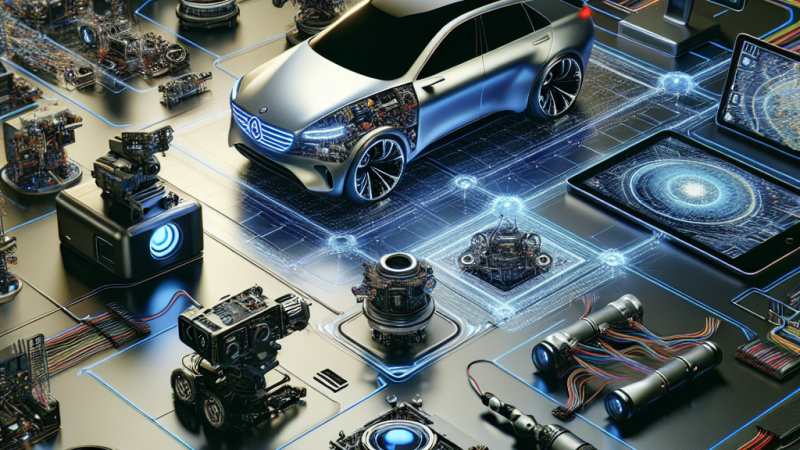
ADAS technologies, such as adaptive cruise control, lane-keeping assist, and automatic emergency braking, rely heavily on automotive electrical systems. These systems use sensors, cameras, and radar to monitor the vehicle’s surroundings and assist the driver in making safer decisions.
Advanced Topics
Electric and Hybrid Vehicles
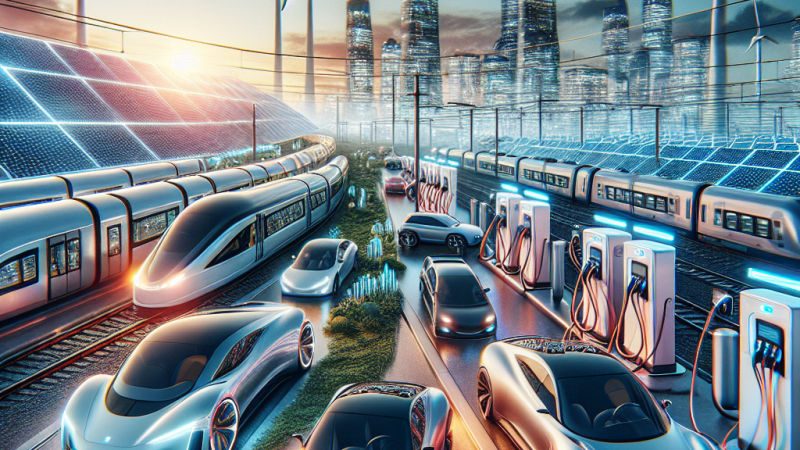
The rise of electric and hybrid vehicles has introduced new challenges and opportunities in automotive electrical systems. These vehicles require high-voltage battery packs, electric motors, and sophisticated power management systems. Recent research focuses on improving battery technology, increasing energy efficiency, and developing advanced charging infrastructure.
Vehicle-to-Everything (V2X) Communication
V2X communication is an emerging technology that enables vehicles to communicate with each other and with infrastructure. This technology has the potential to improve traffic flow, reduce accidents, and enhance the overall driving experience. V2X systems rely on advanced electrical and electronic components to transmit and receive data in real-time.
Autonomous Vehicles
Autonomous vehicles represent the future of automotive technology. These vehicles rely on a complex network of sensors, cameras, and ECUs to navigate and make decisions without human intervention. The development of reliable and efficient electrical systems is crucial for the success of autonomous vehicles.
Challenges and Considerations
Complexity and Integration
The increasing complexity of automotive electrical systems presents significant challenges for engineers. Integrating multiple systems and ensuring they work seamlessly together requires advanced design and testing methodologies.
Reliability and Durability
Automotive electrical systems must be highly reliable and durable to withstand the harsh conditions of the automotive environment. Engineers must consider factors such as temperature extremes, vibration, and electromagnetic interference when designing these systems.
Cost and Weight
The cost and weight of electrical components are critical considerations in automotive design. Engineers must balance the need for advanced features with the constraints of cost and weight to ensure vehicles remain affordable and efficient.
Cybersecurity
As vehicles become more connected, cybersecurity has become a major concern. Protecting automotive electrical systems from cyberattacks is essential to ensure the safety and privacy of vehicle occupants.
Conclusion
Automotive electrical systems are a fundamental aspect of modern vehicle design and functionality. From basic components like batteries and alternators to advanced technologies like ADAS and autonomous vehicles, these systems play a crucial role in enhancing the safety, efficiency, and comfort of automobiles. Understanding the principles, historical development, and practical applications of automotive electrical systems is essential for engineers working in the field. As technology continues to evolve, addressing the challenges and exploring new opportunities in automotive electrical systems will be key to shaping the future of transportation.