Automotive Exhaust Systems
Introduction
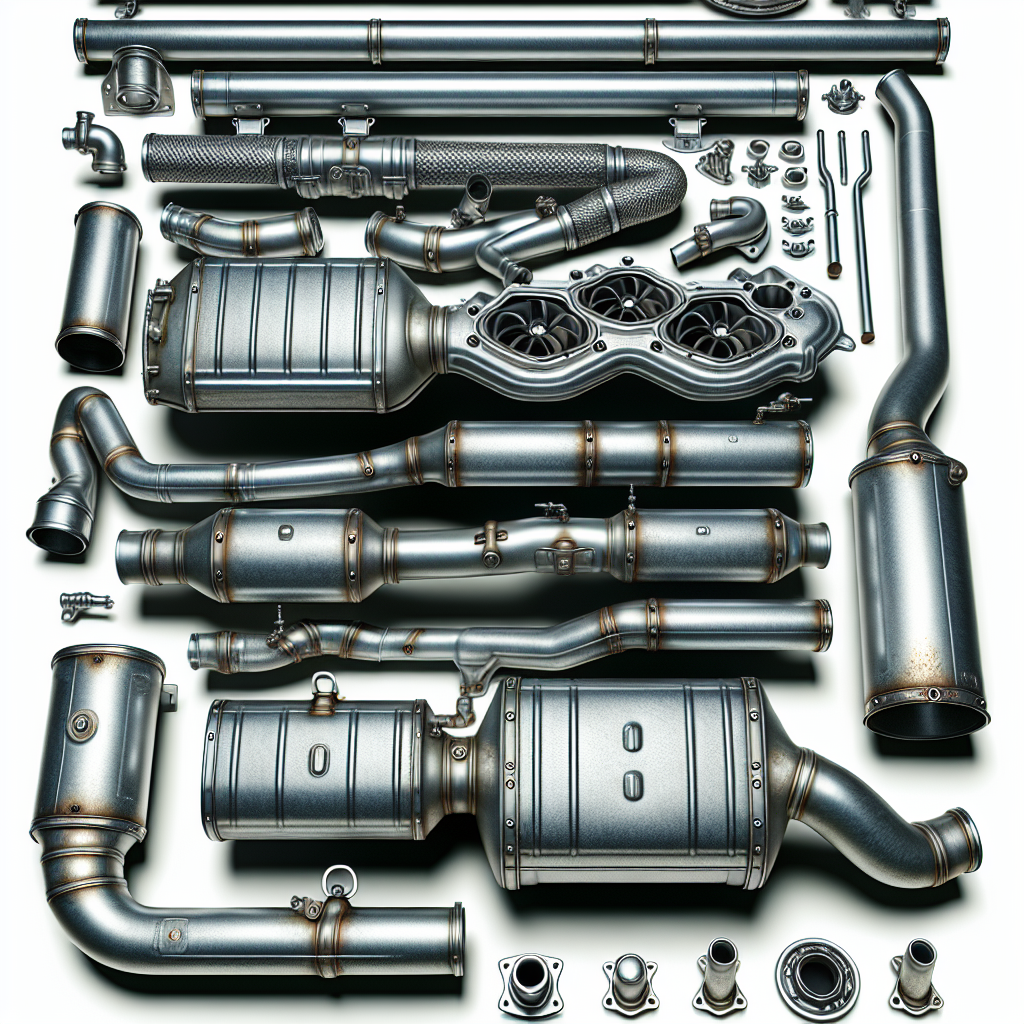
Automotive exhaust systems are a critical component of modern vehicles, playing a vital role in ensuring engine efficiency, reducing emissions, and enhancing overall vehicle performance. In the field of Automotive Engineering, the design, development, and optimization of exhaust systems are of paramount importance. These systems are responsible for directing harmful gases away from the engine and passenger compartment, converting pollutants into less harmful substances, and reducing noise. This article delves into the intricacies of automotive exhaust systems, exploring their fundamentals, historical development, applications, advanced topics, challenges, and considerations.
Fundamentals
Basic Principles and Concepts
An automotive exhaust system is designed to manage and expel the gases produced during the combustion process in an internal combustion engine. The primary components of an exhaust system include the exhaust manifold, catalytic converter, oxygen sensors, muffler, and tailpipe. Each component plays a specific role in ensuring the efficient operation of the system.
- Exhaust Manifold: Collects exhaust gases from the engine cylinders and directs them into the exhaust pipe.
- Catalytic Converter: Converts harmful pollutants (such as carbon monoxide, hydrocarbons, and nitrogen oxides) into less harmful emissions (such as carbon dioxide, water vapor, and nitrogen).
- Oxygen Sensors: Monitor the oxygen levels in the exhaust gases to ensure optimal air-fuel mixture for combustion.
- Muffler: Reduces the noise produced by the exhaust gases as they exit the vehicle.
- Tailpipe: The final component through which exhaust gases are expelled from the vehicle.
Key Terms
- Backpressure: The resistance to the flow of exhaust gases, which can affect engine performance.
- Emissions: Pollutants released into the atmosphere as a result of the combustion process.
- Aftertreatment: Technologies used to reduce emissions after the combustion process, such as catalytic converters and particulate filters.
Historical Development
The development of automotive exhaust systems has evolved significantly over the years, driven by advancements in technology and increasing environmental regulations. The early 20th century saw the introduction of basic exhaust systems designed primarily to direct gases away from the engine. However, as awareness of air pollution grew, so did the need for more sophisticated exhaust systems.
Key Milestones
- 1970s: The introduction of the catalytic converter in response to the Clean Air Act in the United States marked a significant milestone in reducing vehicle emissions.
- 1980s: The implementation of oxygen sensors and electronic fuel injection systems improved the efficiency of exhaust systems.
- 1990s: The development of advanced materials and coatings enhanced the durability and performance of exhaust components.
- 2000s: The introduction of diesel particulate filters (DPFs) and selective catalytic reduction (SCR) systems further reduced emissions from diesel engines.
Notable Figures
Several individuals have made significant contributions to the development of automotive exhaust systems. For example, Eugene Houdry, a French mechanical engineer, is credited with inventing the catalytic converter. His work laid the foundation for modern emission control technologies.
Applications
Automotive exhaust systems have a wide range of applications across various industries and fields. Their primary function is to manage and reduce emissions from internal combustion engines, but they also play a crucial role in enhancing vehicle performance and safety.
Practical Applications
- Passenger Vehicles: Exhaust systems in passenger cars are designed to minimize emissions and noise while maximizing fuel efficiency and engine performance.
- Commercial Vehicles: Trucks and buses require robust exhaust systems to handle higher volumes of exhaust gases and meet stringent emission standards.
- Off-Road Vehicles: Exhaust systems for off-road vehicles, such as construction equipment and agricultural machinery, are designed to withstand harsh operating conditions.
- Motorsports: High-performance exhaust systems are used in racing vehicles to optimize engine power and reduce weight.
Case Studies
One notable case study is the development of the Ford EcoBoost engine, which utilizes advanced exhaust technologies to achieve high performance and low emissions. The integration of turbocharging and direct fuel injection, along with optimized exhaust flow, has resulted in a highly efficient and powerful engine.
Advanced Topics
The field of automotive exhaust systems is continually evolving, with ongoing research and innovations aimed at improving efficiency, reducing emissions, and enhancing performance. Several advanced concepts and techniques are shaping the future of exhaust systems.
Recent Research and Innovations
- Electrification: The rise of electric and hybrid vehicles is driving the development of new exhaust technologies, such as electrically heated catalysts, to reduce cold-start emissions.
- Variable Valve Timing: Advanced valve timing systems can optimize exhaust flow and improve engine efficiency.
- Lightweight Materials: The use of lightweight materials, such as titanium and advanced composites, reduces the weight of exhaust systems and enhances vehicle performance.
- Active Noise Control: Technologies such as active noise cancellation are being integrated into exhaust systems to reduce noise without compromising performance.
Future Trends
Future trends in automotive exhaust systems include the development of more efficient aftertreatment technologies, integration with advanced driver-assistance systems (ADAS), and the use of artificial intelligence (AI) for real-time monitoring and optimization of exhaust performance.
Challenges and Considerations
Despite the advancements in automotive exhaust systems, several challenges and considerations remain. Addressing these issues is crucial for the continued development and optimization of exhaust technologies.
Challenges
- Emissions Regulations: Meeting increasingly stringent emission standards requires continuous innovation and investment in research and development.
- Cost: Advanced exhaust technologies can be expensive to develop and implement, impacting the overall cost of vehicles.
- Durability: Exhaust systems must withstand high temperatures, corrosive gases, and mechanical stress, necessitating the use of durable materials and coatings.
- Integration: Integrating exhaust systems with other vehicle components, such as turbochargers and hybrid powertrains, presents engineering challenges.
Potential Solutions
- Research and Development: Continued investment in R&D is essential for developing new materials, technologies, and processes to address the challenges faced by exhaust systems.
- Collaboration: Collaboration between automotive manufacturers, suppliers, and regulatory bodies can facilitate the development of innovative solutions and ensure compliance with emission standards.
- Education and Training: Providing education and training for engineers and technicians can enhance their understanding of advanced exhaust technologies and improve their ability to design and implement effective solutions.
Conclusion
Automotive exhaust systems are a critical aspect of modern vehicle design, playing a vital role in reducing emissions, enhancing performance, and ensuring safety. The development of these systems has evolved significantly over the years, driven by advancements in technology and increasing environmental regulations. As the automotive industry continues to innovate, the future of exhaust systems will be shaped by new materials, advanced technologies, and ongoing research. Addressing the challenges and considerations associated with exhaust systems is essential for the continued progress and optimization of these vital components. In the field of Automotive Engineering, the importance of exhaust systems cannot be overstated, as they contribute to the overall efficiency, sustainability, and performance of vehicles.