Automotive Infotainment Systems
Introduction
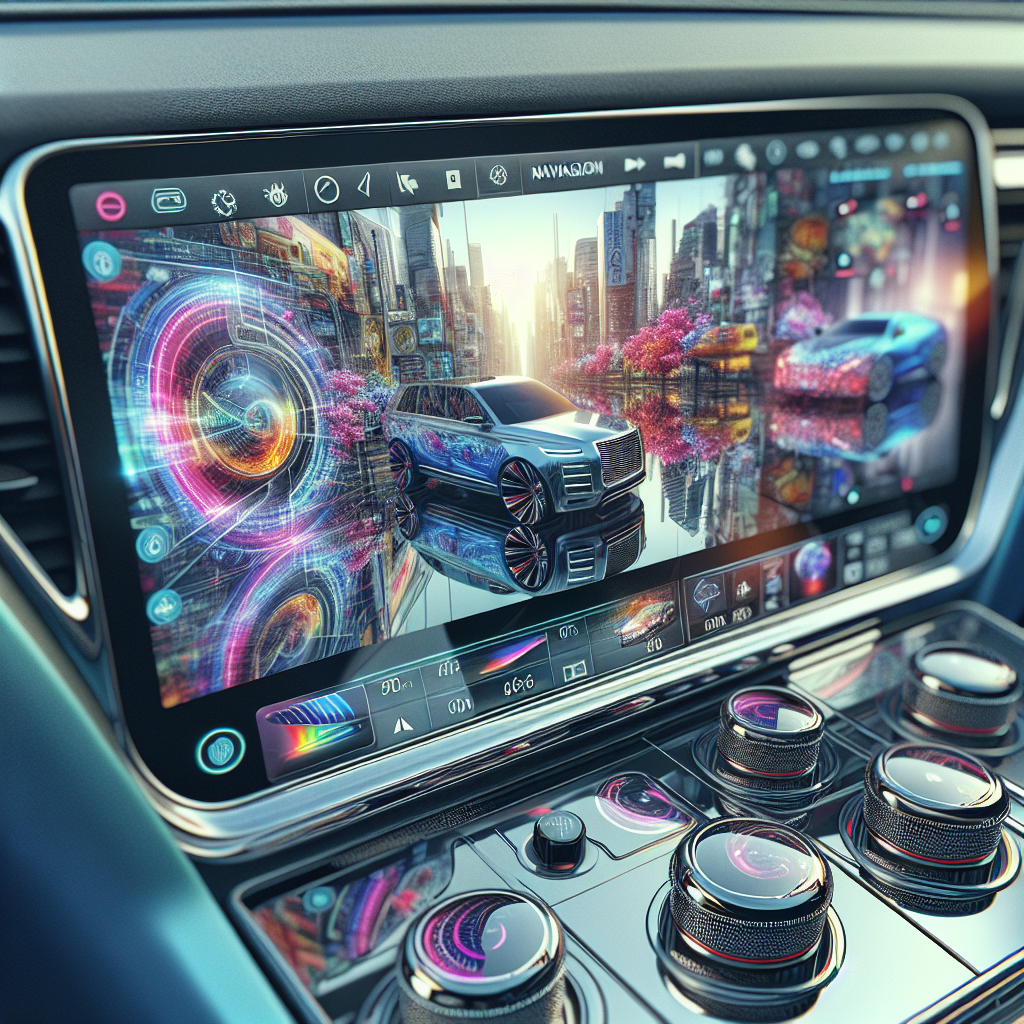
In the rapidly evolving field of automotive engineering, the integration of advanced technologies has significantly transformed the driving experience. One of the most notable advancements is the development of automotive infotainment systems. These systems, which combine information and entertainment functionalities, have become a crucial component in modern vehicles. They enhance driver and passenger experience by providing navigation, communication, entertainment, and connectivity features. This article delves into the importance and relevance of automotive infotainment systems in engineering, exploring their fundamentals, historical development, applications, advanced topics, challenges, and future trends.
Fundamentals
Basic Principles and Concepts
Automotive infotainment systems are integrated platforms that deliver a variety of services to drivers and passengers. These systems typically include:
- Navigation: GPS-based systems that provide real-time directions, traffic updates, and route planning.
- Entertainment: Audio and video playback, radio, streaming services, and gaming options.
- Communication: Hands-free calling, text messaging, and internet browsing.
- Connectivity: Integration with smartphones and other devices via Bluetooth, Wi-Fi, and USB.
- Vehicle Information: Display of critical vehicle data such as fuel levels, tire pressure, and maintenance alerts.
Key Terms
- HMI (Human-Machine Interface): The interface through which users interact with the infotainment system, including touchscreens, voice commands, and physical controls.
- Telematics: The integration of telecommunications and informatics to provide services such as navigation, emergency assistance, and remote diagnostics.
- CAN Bus (Controller Area Network): A robust vehicle bus standard that allows microcontrollers and devices to communicate with each other without a host computer.
- OTA (Over-the-Air) Updates: Wireless delivery of software updates to the infotainment system, ensuring it remains up-to-date with the latest features and security patches.
Historical Development
Early Beginnings
The concept of automotive infotainment can be traced back to the early 20th century when car radios were first introduced. In 1930, Motorola developed the first commercially successful car radio, the Motorola 5T71. This innovation marked the beginning of in-car entertainment.
Evolution Over the Decades
Throughout the 20th century, automotive infotainment systems evolved significantly. The 1980s saw the introduction of cassette players and CD players, providing higher quality audio experiences. The 1990s brought the advent of GPS navigation systems, revolutionizing how drivers navigated unfamiliar routes.
Modern Era
The 21st century has witnessed a rapid acceleration in the development of infotainment systems. The integration of touchscreens, voice recognition, and smartphone connectivity has become standard in many vehicles. Notable figures such as Elon Musk have contributed to this evolution, with Tesla’s infotainment systems setting new benchmarks for innovation and user experience.
Applications
Automotive Industry
In the automotive industry, infotainment systems are now a key differentiator among vehicle manufacturers. Companies like BMW, Audi, and Mercedes-Benz offer advanced infotainment systems that enhance the driving experience through features like augmented reality navigation, advanced driver assistance systems (ADAS), and personalized user profiles.
Commercial Vehicles
Infotainment systems are also making their way into commercial vehicles. Fleet management solutions leverage telematics to monitor vehicle performance, optimize routes, and ensure driver safety. For example, UPS uses advanced infotainment systems to improve delivery efficiency and reduce fuel consumption.
Public Transportation
Public transportation systems are incorporating infotainment to enhance passenger experience. Buses and trains now offer Wi-Fi connectivity, real-time route information, and entertainment options to keep passengers informed and entertained during their journeys.
Advanced Topics
Artificial Intelligence and Machine Learning
Recent advancements in artificial intelligence (AI) and machine learning are transforming automotive infotainment systems. AI-driven voice assistants like Amazon Alexa and Google Assistant are being integrated into vehicles, allowing for more natural and intuitive interactions. Machine learning algorithms analyze user behavior to provide personalized recommendations for music, routes, and other services.
Augmented Reality (AR)
Augmented reality is another cutting-edge technology making its way into infotainment systems. AR can overlay navigation instructions directly onto the windshield, providing drivers with real-time, context-aware information without diverting their attention from the road.
5G Connectivity
The rollout of 5G networks promises to revolutionize automotive infotainment by enabling ultra-fast data transfer and low-latency communication. This will enhance real-time services such as streaming, cloud gaming, and vehicle-to-everything (V2X) communication, paving the way for more connected and autonomous vehicles.
Challenges and Considerations
Security and Privacy
One of the primary challenges associated with automotive infotainment systems is ensuring security and privacy. As these systems become more connected, they become potential targets for cyberattacks. Manufacturers must implement robust security measures to protect user data and prevent unauthorized access.
User Distraction
While infotainment systems offer numerous benefits, they also pose the risk of driver distraction. Engineers must design interfaces that are intuitive and minimize the need for drivers to take their eyes off the road. Voice commands and heads-up displays (HUDs) are some solutions being explored to address this issue.
Compatibility and Standardization
With the plethora of devices and platforms available, ensuring compatibility and standardization is a significant challenge. The automotive industry must work towards creating universal standards that allow seamless integration of various devices and services.
Cost
The development and integration of advanced infotainment systems can be costly. Manufacturers must balance the need for cutting-edge features with affordability to ensure these systems are accessible to a broad range of consumers.
Conclusion
Automotive infotainment systems have become an integral part of modern vehicles, significantly enhancing the driving experience through advanced navigation, entertainment, communication, and connectivity features. From their humble beginnings with car radios to the sophisticated AI-driven systems of today, these technologies have evolved remarkably. As we look to the future, innovations such as augmented reality, 5G connectivity, and machine learning promise to further revolutionize this field. However, challenges such as security, user distraction, and standardization must be addressed to fully realize the potential of automotive infotainment systems. In conclusion, the continued development and integration of these systems are crucial for advancing the field of automotive engineering and providing safer, more enjoyable driving experiences.