Vehicle-to-Everything (V2X) Communication
Introduction
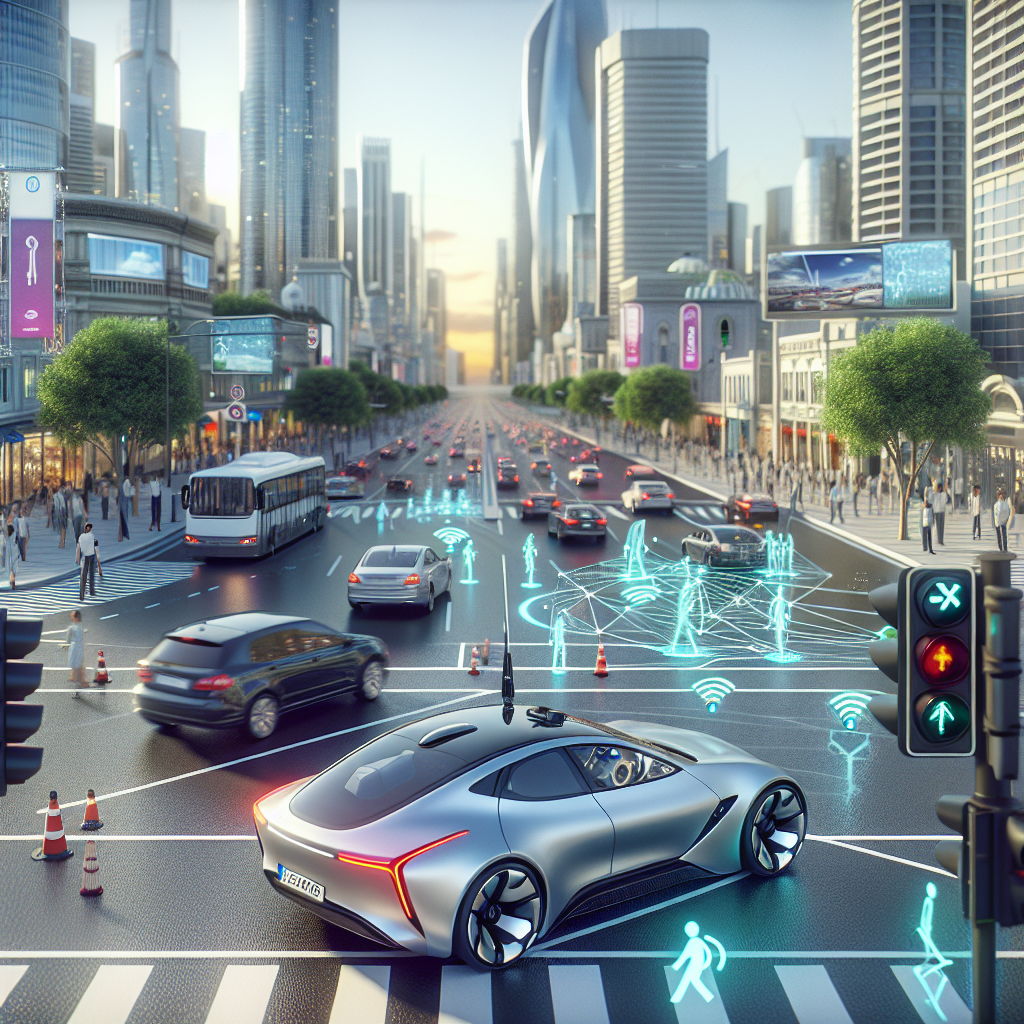
In the rapidly evolving field of automotive engineering, Vehicle-to-Everything (V2X) communication stands out as a transformative technology. V2X encompasses a broad range of communication systems that enable vehicles to interact with each other and with various elements of the transportation infrastructure. This technology is pivotal in enhancing road safety, improving traffic efficiency, and paving the way for autonomous driving. As the automotive industry continues to innovate, V2X communication is becoming increasingly relevant, promising to revolutionize how we perceive and interact with transportation systems.
Fundamentals
Basic Principles and Concepts
V2X communication is an umbrella term that includes several types of communication:
- Vehicle-to-Vehicle (V2V): Communication between vehicles to share information such as speed, position, and heading.
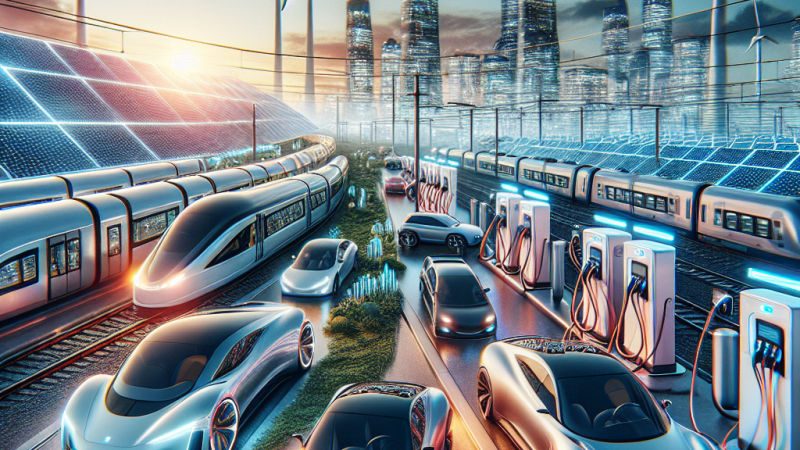
- Vehicle-to-Infrastructure (V2I): Interaction between vehicles and road infrastructure, such as traffic lights and road signs.
- Vehicle-to-Pedestrian (V2P): Communication between vehicles and pedestrians to enhance safety.
- Vehicle-to-Network (V2N): Connectivity between vehicles and cellular networks for data exchange and internet access.
- Vehicle-to-Device (V2D): Interaction between vehicles and various devices, such as smartphones and wearable technology.
The core principle of V2X communication is to create a connected ecosystem where real-time data exchange can lead to more informed decision-making, thereby improving safety and efficiency on the roads. Key technologies enabling V2X include Dedicated Short-Range Communications (DSRC) and Cellular V2X (C-V2X), each with its own set of advantages and applications.
Key Terms
- Latency: The time delay between the transmission and reception of data.
- Bandwidth: The capacity of a communication channel to transmit data.
- Interoperability: The ability of different systems and devices to work together seamlessly.
- Reliability: The consistency and dependability of a communication system.
Historical Development
The concept of V2X communication has evolved significantly over the past few decades. The initial idea of inter-vehicle communication dates back to the 1980s, with early research focusing on enhancing road safety through basic data exchange between vehicles. However, it wasn’t until the late 1990s and early 2000s that significant advancements were made, driven by the development of DSRC technology.
In 1999, the Federal Communications Commission (FCC) allocated a portion of the 5.9 GHz band for DSRC, marking a significant milestone in the development of V2X communication. This allocation provided a dedicated spectrum for vehicle communication, enabling more reliable and efficient data exchange.
In the 2010s, the advent of 4G LTE and the subsequent development of 5G technology further accelerated the progress of V2X communication. Cellular V2X (C-V2X) emerged as a robust alternative to DSRC, offering enhanced range, lower latency, and better scalability. Notable contributions from industry leaders such as Qualcomm, Intel, and various automotive manufacturers have played a crucial role in advancing V2X technology.
Applications
Road Safety
One of the most significant applications of V2X communication is in enhancing road safety. By enabling real-time data exchange between vehicles and infrastructure, V2X can provide early warnings about potential hazards, such as sudden braking by a vehicle ahead or the presence of pedestrians at a crosswalk. This proactive approach can significantly reduce the likelihood of accidents.
Traffic Management
V2X communication can also improve traffic management by providing real-time data on traffic conditions. Traffic lights equipped with V2I technology can adjust their timing based on current traffic flow, reducing congestion and improving overall traffic efficiency. Additionally, V2X can facilitate dynamic rerouting of vehicles to avoid traffic jams and optimize travel times.
Autonomous Driving
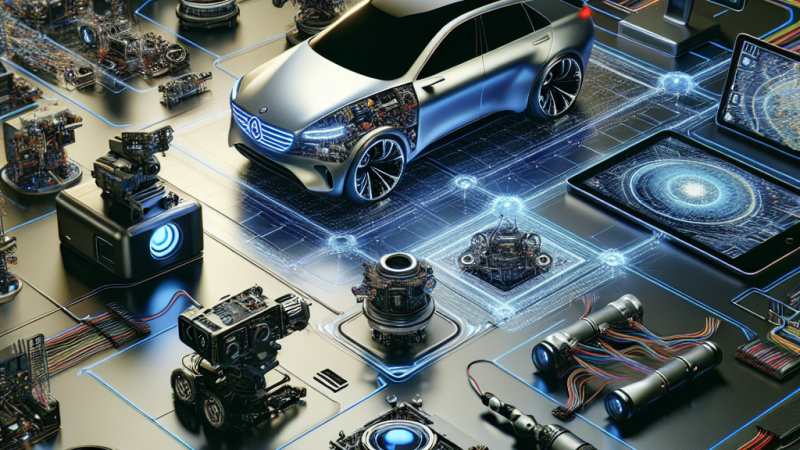
For autonomous vehicles, V2X communication is indispensable. It provides an additional layer of information that complements the data obtained from onboard sensors. This enhanced situational awareness is crucial for making informed decisions in complex driving environments. For instance, V2X can help autonomous vehicles navigate intersections more safely by communicating with other vehicles and traffic signals.
Emergency Services
V2X communication can also benefit emergency services by providing real-time information about road conditions and traffic incidents. This can enable faster response times and more efficient routing of emergency vehicles, potentially saving lives in critical situations.
Advanced Topics
Edge Computing
Edge computing is an advanced concept that involves processing data closer to the source rather than relying on centralized cloud servers. In the context of V2X communication, edge computing can reduce latency and improve the reliability of data exchange. By processing data at the edge, vehicles can make quicker decisions, which is crucial for applications like collision avoidance and autonomous driving.
Artificial Intelligence (AI) and Machine Learning (ML)
AI and ML are increasingly being integrated into V2X systems to enhance their capabilities. These technologies can analyze vast amounts of data to identify patterns and make predictions, improving the overall efficiency and safety of transportation systems. For example, AI algorithms can predict traffic congestion and suggest optimal routes in real-time.
5G Technology
The rollout of 5G technology is set to revolutionize V2X communication. With its high bandwidth, low latency, and enhanced reliability, 5G can support more complex and data-intensive applications. This includes real-time video sharing between vehicles, high-definition mapping, and more sophisticated autonomous driving features.
Challenges and Considerations
Interoperability
One of the significant challenges in V2X communication is ensuring interoperability between different systems and devices. With various manufacturers and technologies involved, achieving seamless communication can be complex. Standardization efforts by organizations such as the Institute of Electrical and Electronics Engineers (IEEE) and the International Organization for Standardization (ISO) are crucial in addressing this issue.
Security and Privacy
Security and privacy are critical considerations in V2X communication. The exchange of sensitive data between vehicles and infrastructure can be vulnerable to cyber-attacks. Ensuring robust encryption and secure communication protocols is essential to protect against potential threats. Additionally, privacy concerns related to the tracking and sharing of location data need to be addressed.
Infrastructure Investment
The implementation of V2X communication requires significant investment in infrastructure. This includes upgrading existing road infrastructure with V2I capabilities and deploying new communication networks. Governments and private stakeholders need to collaborate to ensure the necessary investments are made to support widespread adoption.
Regulatory and Legal Issues
Regulatory and legal issues also pose challenges to the deployment of V2X communication. Different countries have varying regulations regarding spectrum allocation, data privacy, and vehicle standards. Harmonizing these regulations is essential to facilitate global adoption and interoperability of V2X systems.
Conclusion
Vehicle-to-Everything (V2X) communication is a groundbreaking technology with the potential to revolutionize the field of automotive engineering. By enabling real-time data exchange between vehicles, infrastructure, and other elements of the transportation ecosystem, V2X can significantly enhance road safety, improve traffic efficiency, and support the development of autonomous driving. Despite the challenges and considerations associated with its implementation, the benefits of V2X communication are undeniable. As research and innovation continue to advance, V2X is set to play a pivotal role in shaping the future of transportation, making our roads safer, smarter, and more efficient.