
Automotive Cybersecurity
Introduction
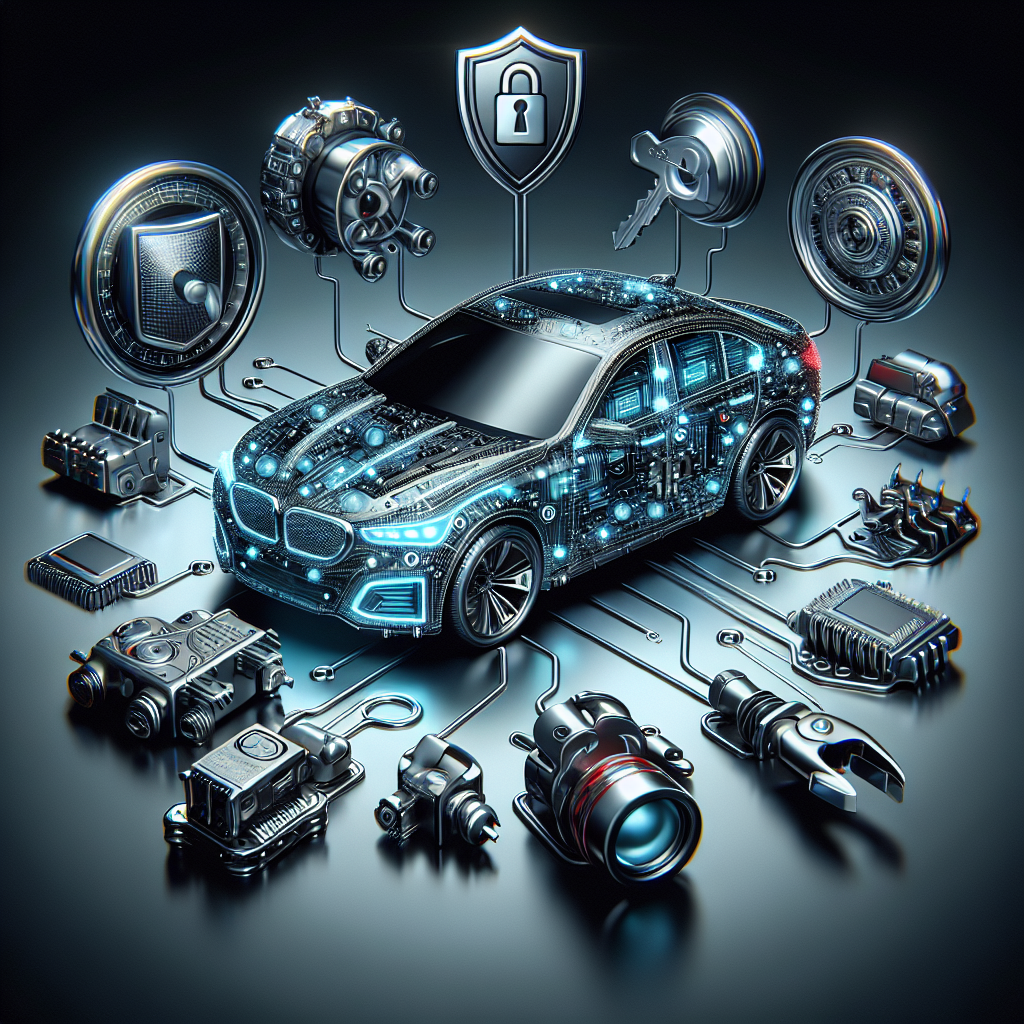
In the rapidly evolving landscape of automotive engineering, cybersecurity has emerged as a critical area of focus. As vehicles become increasingly connected and autonomous, the potential for cyber threats has grown exponentially. Automotive cybersecurity involves protecting vehicular systems, communication networks, and data from unauthorized access, attacks, and damage. This field is essential for ensuring the safety, reliability, and privacy of modern vehicles. The importance of automotive cybersecurity cannot be overstated, as breaches can lead to catastrophic consequences, including loss of life, financial losses, and damage to a manufacturer’s reputation.
Fundamentals
Basic Principles and Concepts
Automotive cybersecurity is built on several fundamental principles:
- Confidentiality: Ensuring that sensitive information is accessible only to authorized individuals.
- Integrity: Protecting data from being altered or tampered with by unauthorized parties.
- Availability: Ensuring that systems and data are available for use when needed.
- Authentication: Verifying the identity of users and devices to prevent unauthorized access.
- Non-repudiation: Ensuring that actions or transactions cannot be denied after they have occurred.
Key Terms
Understanding automotive cybersecurity requires familiarity with several key terms:
- ECU (Electronic Control Unit): A microcontroller responsible for managing specific functions within a vehicle, such as engine control or braking.
- CAN (Controller Area Network): A robust vehicle bus standard designed to allow microcontrollers and devices to communicate with each other without a host computer.
- V2X (Vehicle-to-Everything): Communication systems that enable vehicles to communicate with each other and with infrastructure, pedestrians, and other entities.
- Intrusion Detection System (IDS): A system designed to detect unauthorized access or anomalies within a network.
- Over-the-Air (OTA) Updates: Wireless delivery of software updates to a vehicle’s systems.
Historical Development
The concept of automotive cybersecurity has evolved significantly over the past few decades. Initially, vehicles were largely mechanical, with minimal electronic components. However, the introduction of electronic control units (ECUs) in the 1980s marked the beginning of a new era in automotive engineering. As vehicles became more reliant on software and electronic systems, the need for cybersecurity measures became apparent.
In the early 2000s, researchers began to explore the vulnerabilities of automotive systems. One of the most notable milestones was the 2010 study by researchers from the University of Washington and the University of California, San Diego, which demonstrated the potential for remote attacks on vehicle systems. This study highlighted the urgent need for robust cybersecurity measures in the automotive industry.
Since then, numerous advancements have been made in the field. The development of the Controller Area Network (CAN) protocol, the introduction of V2X communication systems, and the increasing use of Over-the-Air (OTA) updates have all contributed to the growing complexity of automotive cybersecurity. Notable figures such as Charlie Miller and Chris Valasek have made significant contributions by exposing vulnerabilities and advocating for stronger security measures.
Applications
Automotive cybersecurity has practical applications across various industries and fields. Some of the key applications include:
Passenger Vehicles
Modern passenger vehicles are equipped with numerous electronic systems, including infotainment systems, advanced driver-assistance systems (ADAS), and telematics. Ensuring the cybersecurity of these systems is crucial for protecting drivers and passengers from potential threats. For example, in 2015, researchers demonstrated the ability to remotely control a Jeep Cherokee, leading to a recall of 1.4 million vehicles by Fiat Chrysler Automobiles.
Commercial Vehicles
Commercial vehicles, such as trucks and buses, rely heavily on electronic systems for fleet management, navigation, and communication. Cybersecurity measures are essential for preventing unauthorized access to these systems, which could lead to disruptions in logistics and transportation. For instance, a cyber attack on a fleet management system could result in significant financial losses and operational delays.
Autonomous Vehicles
Autonomous vehicles (AVs) represent the future of transportation, with the potential to revolutionize mobility. However, the complexity of AV systems makes them particularly vulnerable to cyber threats. Ensuring the cybersecurity of AVs is critical for preventing malicious attacks that could compromise safety and reliability. Companies like Tesla and Waymo are investing heavily in cybersecurity to protect their autonomous technologies.
Connected Infrastructure
V2X communication systems enable vehicles to interact with infrastructure, such as traffic lights and road signs. Securing these communication channels is essential for preventing cyber attacks that could disrupt traffic flow and cause accidents. For example, a compromised traffic light system could lead to gridlock or collisions at intersections.
Advanced Topics
Recent Research and Innovations
Recent research in automotive cybersecurity has focused on developing advanced techniques for detecting and mitigating cyber threats. Some of the notable innovations include:
- Machine Learning and AI: Leveraging machine learning and artificial intelligence to detect anomalies and predict potential cyber attacks. These technologies can analyze vast amounts of data to identify patterns and respond to threats in real-time.
- Blockchain Technology: Using blockchain to enhance the security of V2X communication systems. Blockchain’s decentralized nature makes it difficult for attackers to compromise the integrity of data exchanged between vehicles and infrastructure.
- Quantum Cryptography: Exploring the potential of quantum cryptography to provide unbreakable encryption for automotive systems. This emerging field holds promise for future-proofing cybersecurity measures against quantum computing threats.
Future Trends
The future of automotive cybersecurity is likely to be shaped by several key trends:
- Increased Collaboration: Greater collaboration between automakers, technology companies, and regulatory bodies to establish industry-wide standards and best practices for cybersecurity.
- Regulatory Frameworks: The development of comprehensive regulatory frameworks to ensure that all vehicles meet minimum cybersecurity requirements. Governments and organizations like the National Highway Traffic Safety Administration (NHTSA) are working towards this goal.
- Integration of Cybersecurity by Design: Incorporating cybersecurity measures into the design and development process of vehicles, rather than treating it as an afterthought. This approach ensures that security is built into every aspect of a vehicle’s architecture.
Challenges and Considerations
Despite significant advancements, automotive cybersecurity faces several challenges and considerations:
Complexity of Systems
The increasing complexity of automotive systems makes it difficult to identify and address all potential vulnerabilities. Ensuring the security of interconnected systems requires a holistic approach that considers every component and communication channel.
Resource Constraints
Implementing robust cybersecurity measures can be resource-intensive, both in terms of time and cost. Automakers must balance the need for security with other priorities, such as performance, cost-effectiveness, and user experience.
Rapid Technological Advancements
The fast pace of technological advancements in the automotive industry presents a challenge for cybersecurity. New technologies and features can introduce unforeseen vulnerabilities, requiring continuous monitoring and adaptation of security measures.
Human Factors
Human factors, such as user behavior and insider threats, can also impact automotive cybersecurity. Educating users about safe practices and implementing strict access controls are essential for mitigating these risks.
Potential Solutions
Addressing these challenges requires a multi-faceted approach:
- Continuous Monitoring: Implementing continuous monitoring and threat detection systems to identify and respond to cyber threats in real-time.
- Regular Updates: Ensuring that vehicles receive regular software updates to address vulnerabilities and enhance security features.
- Collaboration and Information Sharing: Encouraging collaboration and information sharing between industry stakeholders to stay ahead of emerging threats and develop effective countermeasures.
- Research and Development: Investing in research and development to explore new technologies and techniques for enhancing automotive cybersecurity.
Conclusion
Automotive cybersecurity is a critical aspect of modern automotive engineering, with far-reaching implications for safety, reliability, and privacy. As vehicles become more connected and autonomous, the potential for cyber threats continues to grow. Understanding the fundamentals, historical development, practical applications, advanced topics, and challenges associated with automotive cybersecurity is essential for addressing these threats effectively.
By prioritizing cybersecurity and adopting a proactive approach, the automotive industry can ensure that vehicles remain safe and secure in an increasingly digital world. The ongoing collaboration between automakers, technology companies, regulatory bodies, and researchers will be key to developing innovative solutions and staying ahead of emerging threats. Ultimately, the importance of automotive cybersecurity cannot be overstated, as it plays a vital role in shaping the future of transportation and mobility.