Vehicle Safety Systems
Introduction
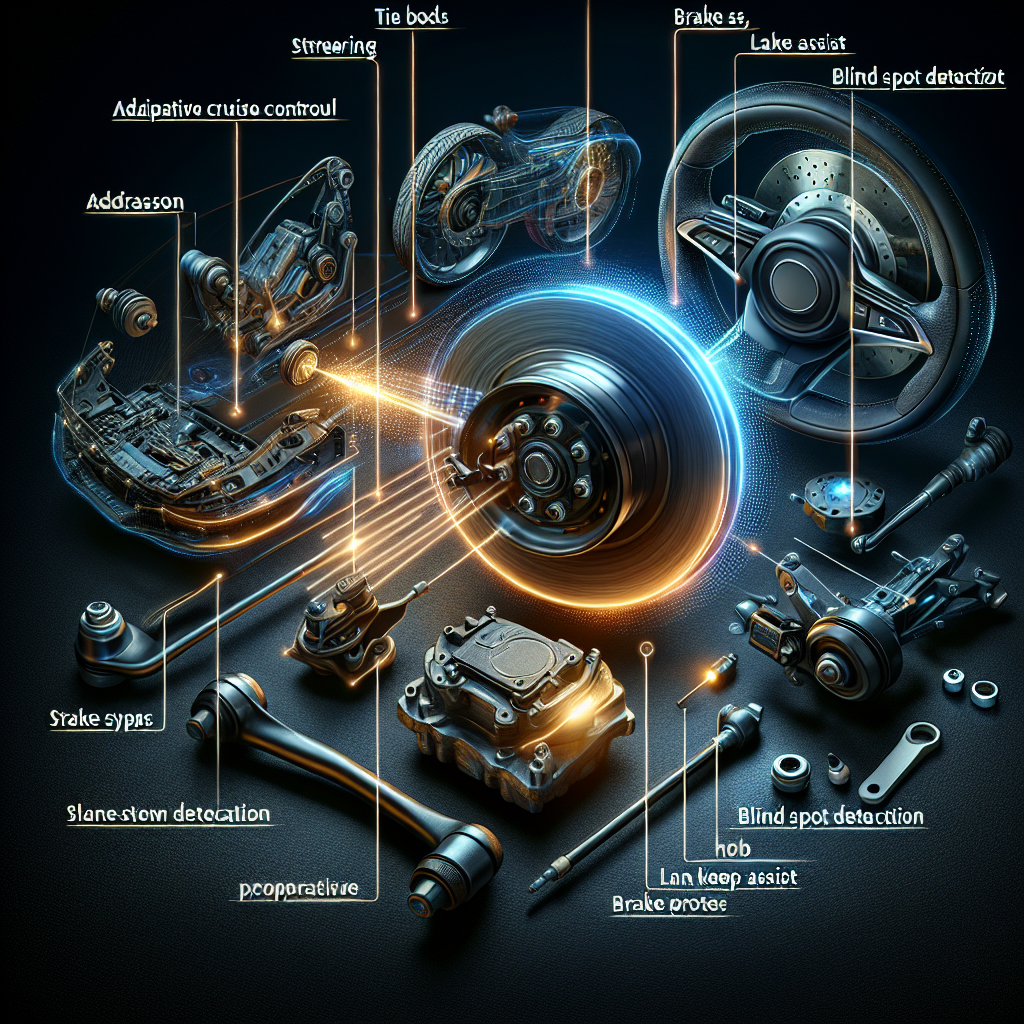
Vehicle safety systems are a cornerstone of modern automotive engineering, playing a crucial role in reducing accidents, minimizing injuries, and saving lives. As vehicles have evolved from simple mechanical constructs to complex, computer-controlled machines, the importance of integrating advanced safety systems has grown exponentially. These systems encompass a wide range of technologies, from basic seat belts and airbags to sophisticated electronic stability control and autonomous emergency braking. In this article, we will delve into the various aspects of vehicle safety systems, exploring their fundamentals, historical development, practical applications, advanced topics, and the challenges they face.
Fundamentals
Basic Principles and Concepts
Vehicle safety systems are designed to protect occupants and pedestrians by preventing accidents or mitigating their consequences. These systems can be broadly categorized into two types: active safety systems and passive safety systems.
- Active Safety Systems: These systems aim to prevent accidents from occurring in the first place. Examples include anti-lock braking systems (ABS), electronic stability control (ESC), and adaptive cruise control (ACC).
- Passive Safety Systems: These systems come into play during or after an accident to minimize injury. Examples include seat belts, airbags, and crumple zones.
Key Terms and Definitions
- Anti-lock Braking System (ABS): A system that prevents the wheels from locking up during braking, thereby maintaining steering control.
- Electronic Stability Control (ESC): A system that improves a vehicle’s stability by detecting and reducing loss of traction.
- Adaptive Cruise Control (ACC): A system that automatically adjusts the vehicle’s speed to maintain a safe distance from the vehicle ahead.
- Airbags: Inflatable cushions designed to protect occupants during a collision.
- Crumple Zones: Areas of a vehicle designed to deform and absorb energy during a collision, reducing the force transmitted to occupants.
Historical Development
Early Innovations
The history of vehicle safety systems dates back to the early 20th century. The first significant innovation was the introduction of seat belts in the 1950s, which drastically reduced fatalities and injuries in car accidents. Volvo engineer Nils Bohlin is credited with inventing the three-point seat belt in 1959, a design that remains largely unchanged today.
Advancements in the Late 20th Century
The 1970s and 1980s saw the introduction of more advanced safety features. Anti-lock braking systems (ABS) were first developed for aircraft and later adapted for automobiles. Mercedes-Benz introduced the first production car with ABS in 1978. The 1980s also saw the advent of airbags, with Chrysler and Ford being among the first to offer them as standard equipment.
Modern Developments
The late 20th and early 21st centuries have witnessed rapid advancements in electronic and computer technologies, leading to the development of sophisticated active safety systems. Electronic stability control (ESC) became mandatory in many countries by the early 2010s, and features like adaptive cruise control (ACC) and lane-keeping assist have become increasingly common.
Applications
Automotive Industry
In the automotive industry, vehicle safety systems are integrated into almost every aspect of vehicle design and manufacturing. Modern cars come equipped with a plethora of safety features, from basic seat belts and airbags to advanced driver-assistance systems (ADAS) like lane departure warning and automatic emergency braking.
Commercial Vehicles
Commercial vehicles, such as trucks and buses, also benefit from advanced safety systems. Features like electronic stability control, collision mitigation systems, and blind-spot monitoring are increasingly being adopted to enhance the safety of commercial transportation.
Case Studies
One notable case study is the implementation of Volvo’s City Safety system, which uses radar and camera technology to detect potential collisions and automatically apply the brakes if the driver fails to respond. This system has been credited with significantly reducing rear-end collisions in urban environments.
Advanced Topics
Autonomous Vehicles
The advent of autonomous vehicles represents the next frontier in vehicle safety systems. These vehicles rely on a combination of sensors, cameras, and artificial intelligence to navigate and make decisions. Companies like Tesla, Waymo, and Uber are at the forefront of developing autonomous driving technologies that promise to revolutionize road safety.
Vehicle-to-Everything (V2X) Communication
Another advanced concept is Vehicle-to-Everything (V2X) communication, which enables vehicles to communicate with each other and with infrastructure like traffic lights and road signs. This technology can provide real-time information about road conditions, traffic, and potential hazards, thereby enhancing safety.
Recent Research and Innovations
Recent research in the field of vehicle safety systems has focused on improving sensor accuracy, developing more robust algorithms for decision-making, and enhancing the reliability of safety-critical systems. Innovations like LiDAR (Light Detection and Ranging) and advanced machine learning techniques are paving the way for safer and more reliable autonomous vehicles.
Challenges and Considerations
Technical Challenges
One of the primary challenges in developing vehicle safety systems is ensuring their reliability and robustness. Safety-critical systems must operate flawlessly under a wide range of conditions, from extreme weather to complex traffic scenarios. Ensuring the accuracy and reliability of sensors and algorithms is a significant technical challenge.
Regulatory and Ethical Considerations
The deployment of advanced safety systems, particularly autonomous vehicles, raises several regulatory and ethical considerations. Questions about liability in the event of an accident, data privacy, and the ethical implications of decision-making algorithms are areas that require careful consideration and regulation.
Cost and Accessibility
Another challenge is the cost of implementing advanced safety systems. While these technologies can significantly enhance safety, they also add to the overall cost of the vehicle. Ensuring that these systems are accessible to a broad range of consumers is essential for maximizing their impact on road safety.
Conclusion
Vehicle safety systems are a vital component of modern automotive engineering, playing a crucial role in reducing accidents and saving lives. From the early innovations of seat belts and airbags to the advanced technologies of autonomous driving and V2X communication, these systems have come a long way. While there are challenges to overcome, the future of vehicle safety systems looks promising, with ongoing research and innovation paving the way for safer roads. As we continue to advance in this field, the importance of vehicle safety systems in automotive engineering cannot be overstated.