Tidal Energy Systems
Introduction
Tidal energy systems represent a promising frontier in the field of renewable energy engineering. As the world grapples with the dual challenges of climate change and dwindling fossil fuel reserves, the quest for sustainable and reliable energy sources has never been more critical. Tidal energy, derived from the gravitational interactions between the Earth, moon, and sun, offers a predictable and environmentally friendly alternative to traditional energy sources. This article delves into the intricacies of tidal energy systems, exploring their fundamental principles, historical development, practical applications, advanced topics, and the challenges they face.
Fundamentals
Basic Principles and Concepts
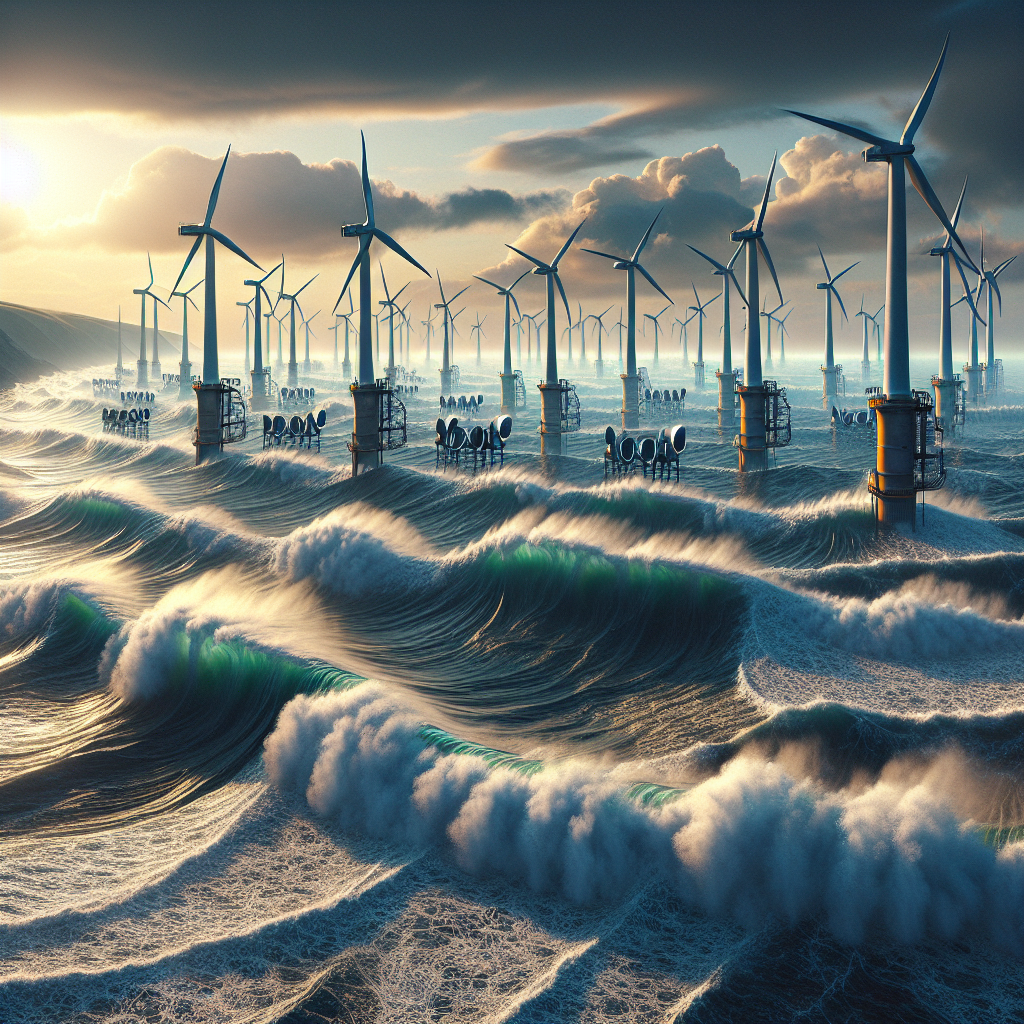
Tidal energy harnesses the kinetic and potential energy of tidal movements to generate electricity. The primary mechanisms for capturing this energy include tidal stream generators and tidal barrages.
- Tidal Stream Generators: These devices operate similarly to underwater wind turbines, capturing the kinetic energy of moving water to generate electricity.
- Tidal Barrages: These structures are akin to dams, capturing potential energy by trapping high tides in a reservoir and releasing it through turbines during low tides.
Key Terms
- Tidal Range: The vertical difference between high tide and low tide.
- Tidal Current: The horizontal flow of water caused by tidal movements.
- Amplitude: The height of the tidal wave, which influences the energy potential.
- Neap Tides: Tides with the least difference between high and low water, occurring during the first and third quarters of the moon.
- Spring Tides: Tides with the greatest difference between high and low water, occurring during the full and new moons.
Historical Development
The concept of harnessing tidal energy is not new. Historical records indicate that tidal mills were used as early as the Middle Ages. These mills utilized the mechanical energy of tidal movements to grind grain. However, the modern development of tidal energy systems began in the 20th century.
Key Milestones
- 1966: The La Rance Tidal Power Station in France became the world’s first large-scale tidal power plant. It remains operational today, producing 240 MW of electricity.
- 2003: The European Marine Energy Centre (EMEC) was established in Scotland, providing a testing ground for tidal energy technologies.
- 2011: The Sihwa Lake Tidal Power Station in South Korea became the world’s largest tidal power installation, with a capacity of 254 MW.
Notable Figures
- Georges Jean Marie Darrieus: A French engineer who contributed to the development of vertical-axis turbines, which are used in some tidal stream generators.
- John Scott Russell: A Scottish engineer who made significant contributions to the understanding of wave dynamics, which are crucial for tidal energy systems.
Applications
Tidal energy systems have a wide range of applications across various industries and fields. Their primary use is in electricity generation, but they also offer potential benefits in other areas.
Electricity Generation
Tidal energy systems can provide a reliable and predictable source of electricity. Unlike solar and wind energy, which are subject to weather conditions, tidal movements are highly predictable, making tidal energy a stable and dependable source of power.
Desalination
Tidal energy can be used to power desalination plants, providing a sustainable solution for freshwater production in coastal regions. This application is particularly relevant in arid regions where freshwater resources are scarce.
Coastal Protection
Tidal barrages and lagoons can serve dual purposes by generating electricity and providing coastal protection against storm surges and rising sea levels. This dual functionality makes them an attractive option for coastal communities.
Case Studies
- La Rance Tidal Power Station: Located in Brittany, France, this facility has been operational since 1966 and produces enough electricity to power 130,000 homes annually.
- MeyGen Project: Situated in the Pentland Firth, Scotland, this tidal stream project aims to generate up to 398 MW of electricity, enough to power 175,000 homes.
Advanced Topics
Recent Research and Innovations
Recent advancements in tidal energy technology focus on improving efficiency and reducing costs. Innovations include:
- Advanced Turbine Designs: New turbine designs, such as the bi-directional turbine, can capture energy from both incoming and outgoing tides, increasing efficiency.
- Floating Tidal Platforms: These platforms can be deployed in deeper waters where tidal currents are stronger, offering greater energy potential.
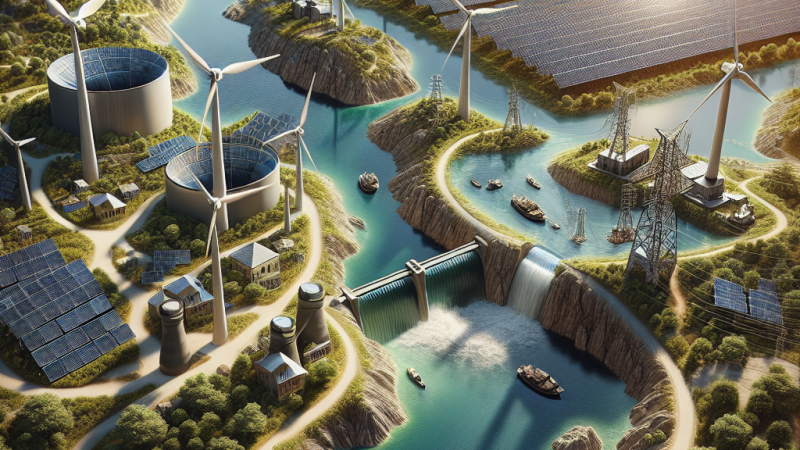
- Hybrid Systems: Combining tidal energy with other renewable sources, such as wind or solar, can provide a more consistent and reliable energy supply.
Future Trends
The future of tidal energy looks promising, with several trends indicating continued growth and development:
- Increased Investment: Governments and private investors are increasingly recognizing the potential of tidal energy, leading to more funding for research and development.
- Global Expansion: While Europe has been a leader in tidal energy, other regions, including North America and Asia, are beginning to invest in tidal energy projects.
- Technological Advancements: Ongoing research aims to improve the efficiency and reduce the costs of tidal energy systems, making them more competitive with other renewable energy sources.
Challenges and Considerations
Despite its potential, tidal energy faces several challenges and considerations that must be addressed to ensure its viability and sustainability.
Environmental Impact
Tidal energy systems can have significant environmental impacts, including:
- Disruption of Marine Ecosystems: Tidal barrages and turbines can disrupt marine habitats and affect local wildlife.
- Changes in Sediment Transport: Tidal structures can alter sediment transport patterns, potentially affecting coastal erosion and deposition.
Economic Viability
The high initial costs of tidal energy systems can be a barrier to their widespread adoption. While operational costs are relatively low, the upfront investment required for construction and installation can be prohibitive.
Technological Challenges
Several technological challenges must be overcome to improve the efficiency and reliability of tidal energy systems:
- Durability: Tidal energy systems must withstand harsh marine environments, including strong currents, waves, and corrosion.
- Energy Storage: Efficient energy storage solutions are needed to address the intermittent nature of tidal energy and ensure a consistent power supply.
Potential Solutions
Addressing these challenges requires a multifaceted approach:
- Environmental Mitigation: Implementing measures to minimize environmental impacts, such as designing fish-friendly turbines and conducting thorough environmental impact assessments.
- Cost Reduction: Investing in research and development to reduce the costs of tidal energy systems, including exploring new materials and manufacturing techniques.
- Technological Innovation: Developing advanced technologies to improve the efficiency and durability of tidal energy systems, such as corrosion-resistant materials and advanced turbine designs.
Conclusion
Tidal energy systems offer a promising and sustainable solution to the world’s growing energy needs. By harnessing the predictable and renewable energy of tidal movements, these systems can provide a reliable source of electricity while minimizing environmental impacts. Despite the challenges they face, ongoing research and technological advancements are paving the way for the continued growth and development of tidal energy. As the world transitions to a more sustainable energy future, tidal energy systems will play a crucial role in diversifying our energy portfolio and reducing our reliance on fossil fuels.