
Robotics in Sports
Introduction
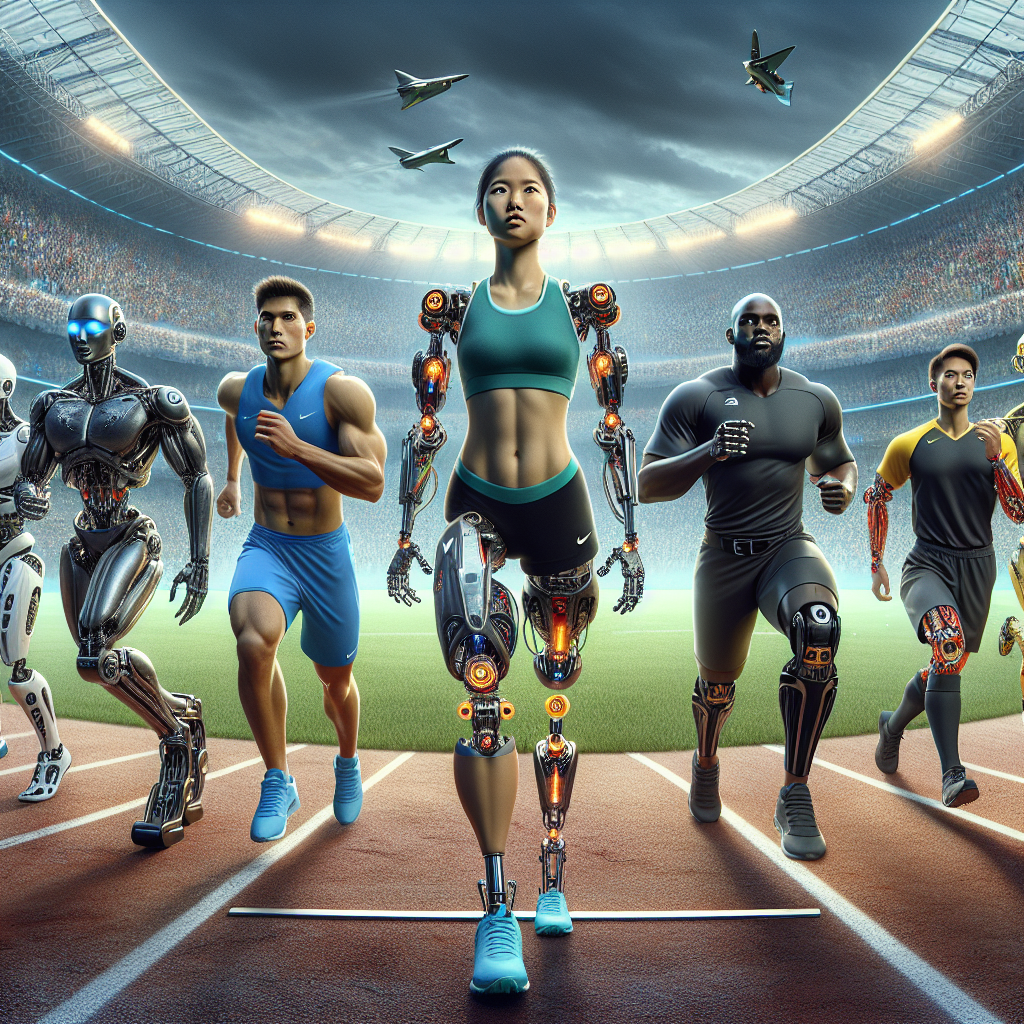
Robotics in sports is an emerging and rapidly evolving field within the broader domain of Robotics in Engineering. The integration of robotics into sports encompasses a wide range of applications, from enhancing athletic performance and ensuring fair play to improving fan engagement and optimizing training methodologies. The importance of this topic lies in its potential to revolutionize the way sports are played, managed, and experienced. As technology continues to advance, the role of robotics in sports is becoming increasingly significant, offering innovative solutions to longstanding challenges and opening new avenues for research and development.
Fundamentals
Basic Principles and Concepts
Robotics in sports involves the application of robotic systems and technologies to various aspects of athletic activities. Key principles include:
- Automation: The use of robots to perform tasks that would otherwise require human intervention, such as refereeing, ball retrieval, and data collection.
- Artificial Intelligence (AI): The incorporation of AI algorithms to analyze data, make decisions, and provide insights that can enhance performance and strategy.
- Mechatronics: The integration of mechanical, electronic, and software engineering to create sophisticated robotic systems capable of interacting with their environment.
- Sensor Technology: The use of sensors to gather real-time data on various parameters, such as player movements, ball trajectory, and environmental conditions.
Key Terms
- Autonomous Robots: Robots that can perform tasks without human intervention, using pre-programmed instructions and real-time data processing.
- Exoskeletons: Wearable robotic devices that enhance human capabilities, often used in rehabilitation and training.
- Machine Learning: A subset of AI that enables systems to learn from data and improve their performance over time.
- Biomechanics: The study of the mechanical aspects of living organisms, crucial for designing robots that interact with human athletes.
Historical Development
The history of robotics in sports can be traced back to the late 20th century, with the advent of basic automated systems and early AI research. Key milestones include:
- 1980s: The introduction of simple robotic systems for tasks such as ball retrieval in tennis and automated scoring in bowling.
- 1990s: Advances in sensor technology and AI led to the development of more sophisticated systems, such as robotic referees and automated video analysis tools.
- 2000s: The rise of wearable technology and exoskeletons, enabling enhanced training and rehabilitation for athletes.
- 2010s: The integration of machine learning and big data analytics, allowing for more accurate performance analysis and predictive modeling.
- 2020s: The emergence of fully autonomous robots capable of participating in sports, such as robotic soccer teams and drone racing.
Notable figures in the field include Dr. Hiroshi Ishiguro, known for his work on humanoid robots, and Dr. Gill Pratt, a leading researcher in AI and robotics.
Applications
Enhancing Athletic Performance
Robotics can significantly enhance athletic performance through various applications:
- Training Robots: Robots designed to simulate opponents or provide consistent training conditions, such as ball-serving robots in tennis and baseball pitching machines.
- Wearable Technology: Exoskeletons and smart wearables that monitor and enhance physical performance, providing real-time feedback and reducing the risk of injury.
- Data Analytics: AI-driven systems that analyze performance data to identify strengths, weaknesses, and areas for improvement.
Ensuring Fair Play
Robotics plays a crucial role in ensuring fair play and accurate officiating:
- Robotic Referees: Autonomous systems equipped with sensors and AI to make real-time decisions, reducing human error and bias.
- Video Assistant Referee (VAR): AI-powered video analysis tools that assist human referees in making accurate decisions.
- Goal-Line Technology: Systems that use sensors and cameras to determine whether the ball has crossed the goal line, ensuring accurate scoring.
Fan Engagement
Robotics can also enhance the fan experience in various ways:
- Interactive Robots: Robots that interact with fans, providing information, entertainment, and personalized experiences.
- Drone Shows: Coordinated drone displays that add a new dimension to live sports events.
- Virtual Reality (VR): VR systems that use robotics to create immersive experiences, allowing fans to experience the game from unique perspectives.
Advanced Topics
Recent Research and Innovations
Recent research in robotics in sports has focused on several advanced topics:
- AI and Machine Learning: The development of advanced AI algorithms that can predict player movements, optimize strategies, and provide real-time coaching.
- Biomechanical Analysis: The use of robotics to study and enhance human biomechanics, leading to improved training methods and injury prevention.
- Swarm Robotics: The application of swarm intelligence to coordinate multiple robots, such as drone formations and robotic soccer teams.
Future Trends
The future of robotics in sports is likely to be shaped by several emerging trends:
- Increased Autonomy: The development of fully autonomous robots capable of participating in sports without human intervention.
- Enhanced Human-Robot Collaboration: The integration of robots into team sports, where they work alongside human athletes to achieve common goals.
- Personalized Training: The use of AI and robotics to create highly personalized training programs tailored to individual athletes’ needs and goals.
Challenges and Considerations
Technical Challenges
Several technical challenges must be addressed to fully realize the potential of robotics in sports:
- Accuracy and Precision: Ensuring that robotic systems can perform tasks with the required level of accuracy and precision.
- Real-Time Processing: Developing systems capable of processing large amounts of data in real-time to make quick and accurate decisions.
- Durability: Designing robots that can withstand the physical demands of sports environments.
Ethical and Social Considerations
There are also several ethical and social considerations to take into account:
- Fairness: Ensuring that the use of robotics does not create unfair advantages or disadvantages for certain athletes or teams.
- Privacy: Protecting the privacy of athletes and fans when collecting and analyzing data.
- Accessibility: Making sure that the benefits of robotics in sports are accessible to all, regardless of socioeconomic status.
Potential Solutions
Potential solutions to these challenges include:
- Standardization: Developing industry standards for the design, implementation, and use of robotic systems in sports.
- Collaboration: Encouraging collaboration between engineers, athletes, coaches, and regulatory bodies to address technical and ethical challenges.
- Research and Development: Investing in research and development to advance the state of the art in robotics and address existing limitations.
Conclusion
Robotics in sports represents a fascinating and rapidly evolving field within Robotics in Engineering. From enhancing athletic performance and ensuring fair play to improving fan engagement and optimizing training methodologies, the applications of robotics in sports are vast and varied. As technology continues to advance, the role of robotics in sports is set to become even more significant, offering innovative solutions to longstanding challenges and opening new avenues for research and development. By addressing the technical, ethical, and social challenges associated with this field, we can unlock the full potential of robotics in sports and create a future where technology and athletics work hand in hand to achieve new heights of excellence.