
Safety Standards in Robotics
Introduction
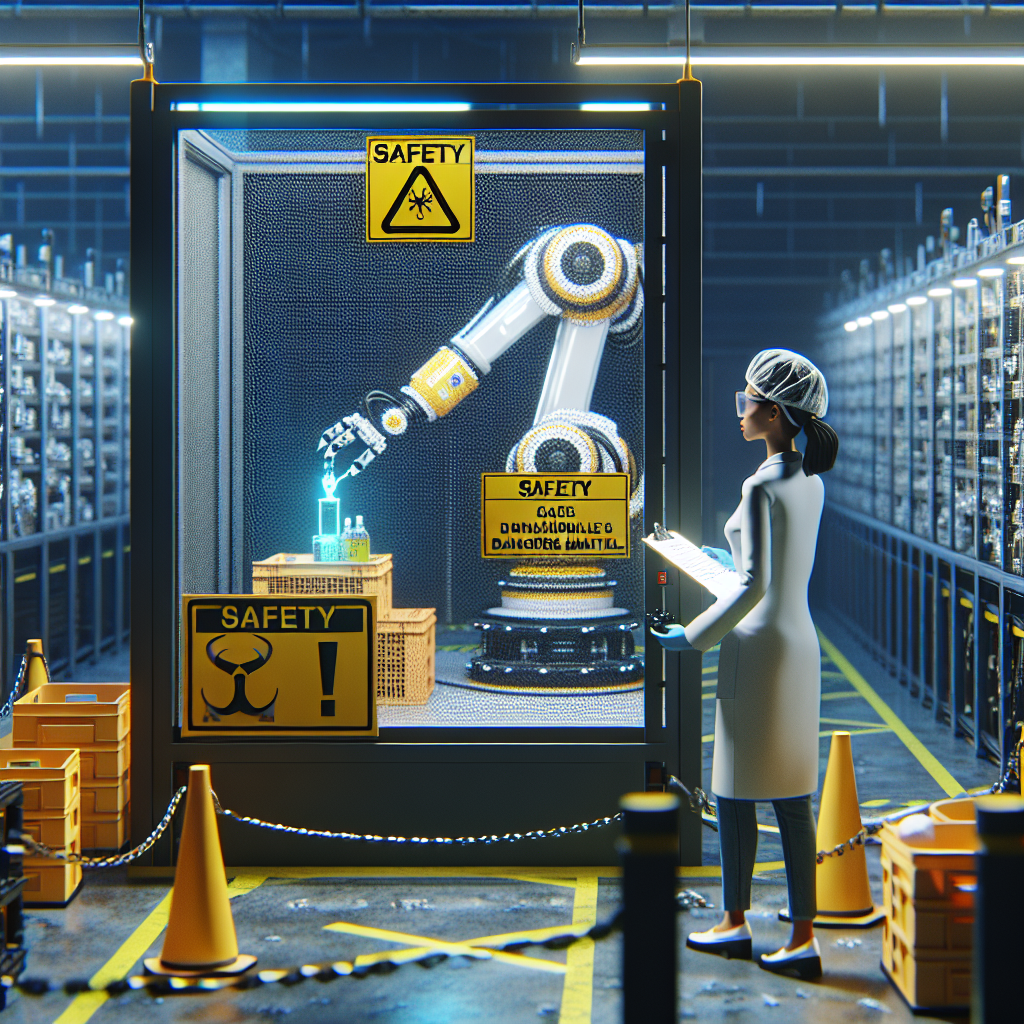
In the rapidly evolving field of engineering, robotics has emerged as a cornerstone of innovation and efficiency. From manufacturing to healthcare, robots are increasingly being integrated into various sectors to perform tasks with precision and reliability. However, as the deployment of robots becomes more widespread, ensuring their safe operation has become a critical concern. Safety standards in robotics are essential to protect human workers, prevent accidents, and ensure the reliable functioning of robotic systems. This article delves into the importance of safety standards in robotics, exploring their fundamental principles, historical development, practical applications, advanced topics, and the challenges associated with their implementation.
Fundamentals
Basic Principles and Concepts
Safety standards in robotics are a set of guidelines and regulations designed to ensure the safe design, operation, and maintenance of robotic systems. These standards aim to minimize risks associated with the interaction between humans and robots, as well as the potential hazards posed by robotic systems themselves.
Key Terms
- Risk Assessment: The process of identifying potential hazards and evaluating the risks associated with them.
- Safety Integrity Level (SIL): A measure of the reliability and effectiveness of safety functions in a system.
- Collaborative Robots (Cobots): Robots designed to work alongside humans in a shared workspace.
- Fail-Safe: A design feature that ensures a system remains safe or defaults to a safe condition in the event of a failure.
Theories and Models
Several theories and models underpin the development of safety standards in robotics. One such model is the Hazard and Operability Study (HAZOP), which systematically examines potential hazards in a system. Another important concept is the Hierarchy of Controls, which prioritizes safety measures from most to least effective: elimination, substitution, engineering controls, administrative controls, and personal protective equipment (PPE).
Historical Development
Early Milestones
The history of safety standards in robotics can be traced back to the early days of industrial automation. In the 1960s and 1970s, as robots began to be used in manufacturing, the need for safety regulations became apparent. The first set of guidelines, known as the Robotic Industries Association (RIA) standards, was introduced in the 1980s to address safety concerns in industrial settings.
Notable Contributions
Several key figures have made significant contributions to the development of safety standards in robotics. One notable figure is Joseph Engelberger, often referred to as the “father of robotics.” Engelberger’s work in developing the first industrial robot, the Unimate, highlighted the need for safety protocols in robotic systems. Another important contributor is Isaac Asimov, whose “Three Laws of Robotics” have influenced the ethical considerations of robot safety.
Recent Developments
In recent years, the International Organization for Standardization (ISO) has played a crucial role in establishing global safety standards for robotics. ISO 10218, for example, provides guidelines for the safety of industrial robots, while ISO/TS 15066 addresses safety requirements for collaborative robots.
Applications
Manufacturing
In the manufacturing industry, robots are used for tasks such as assembly, welding, and material handling. Safety standards ensure that these robots operate within defined parameters to prevent accidents and injuries. For example, the use of safety sensors and interlocks can stop a robot if a human enters its workspace.
Healthcare
Robots are increasingly being used in healthcare for tasks such as surgery, rehabilitation, and patient care. Safety standards in this field focus on ensuring that robots can operate safely in close proximity to patients and healthcare workers. For instance, surgical robots are designed with fail-safe mechanisms to prevent accidental harm during procedures.
Logistics and Warehousing
In logistics and warehousing, robots are used for tasks such as picking, packing, and transporting goods. Safety standards ensure that these robots can navigate complex environments without posing risks to human workers. Autonomous mobile robots (AMRs) are equipped with sensors and algorithms to detect and avoid obstacles, ensuring safe operation.
Case Studies
One notable case study is the implementation of collaborative robots (cobots) at BMW’s manufacturing plants. These cobots work alongside human workers to perform tasks such as assembling car parts. Safety standards, including ISO/TS 15066, ensure that these cobots can operate safely in a shared workspace, reducing the risk of accidents and improving overall efficiency.
Advanced Topics
Recent Research and Innovations
Recent research in the field of robotics safety has focused on developing advanced sensing and control technologies. For example, researchers are exploring the use of machine learning algorithms to enhance the ability of robots to detect and respond to potential hazards. Innovations such as tactile sensors and advanced vision systems are also being integrated into robotic systems to improve their safety and reliability.
Future Trends
The future of safety standards in robotics is likely to be shaped by several emerging trends. One such trend is the increasing use of artificial intelligence (AI) to enhance the decision-making capabilities of robots. AI-powered robots can analyze vast amounts of data in real-time to identify potential hazards and take appropriate actions to mitigate risks. Another trend is the development of more sophisticated human-robot interaction (HRI) models, which aim to improve the safety and efficiency of collaborative work environments.
Challenges and Considerations
Technical Challenges
One of the primary challenges in implementing safety standards in robotics is the complexity of modern robotic systems. Ensuring that all components of a robotic system meet safety requirements can be a daunting task, particularly as robots become more advanced and capable. Additionally, the integration of new technologies, such as AI and machine learning, introduces new safety considerations that must be addressed.
Regulatory and Ethical Considerations
Regulatory challenges also play a significant role in the development and implementation of safety standards. Different countries and regions may have varying regulations and guidelines, making it difficult to establish universal standards. Ethical considerations, such as ensuring that robots do not cause harm to humans or violate privacy rights, are also critical in the development of safety standards.
Potential Solutions
To address these challenges, ongoing research and collaboration between industry, academia, and regulatory bodies are essential. Developing standardized testing and certification processes can help ensure that robotic systems meet safety requirements. Additionally, fostering a culture of safety within organizations and providing training for workers on safe practices can further enhance the safe operation of robotic systems.
Conclusion
Safety standards in robotics are a vital aspect of ensuring the safe and reliable operation of robotic systems across various industries. From their historical development to their practical applications and advanced concepts, these standards play a crucial role in protecting human workers and preventing accidents. While challenges and considerations remain, ongoing research and innovation continue to drive the development of more effective safety measures. As robotics technology continues to evolve, the importance of robust safety standards will only grow, underscoring their significance in the field of engineering.