Robot Simulation Software
Introduction
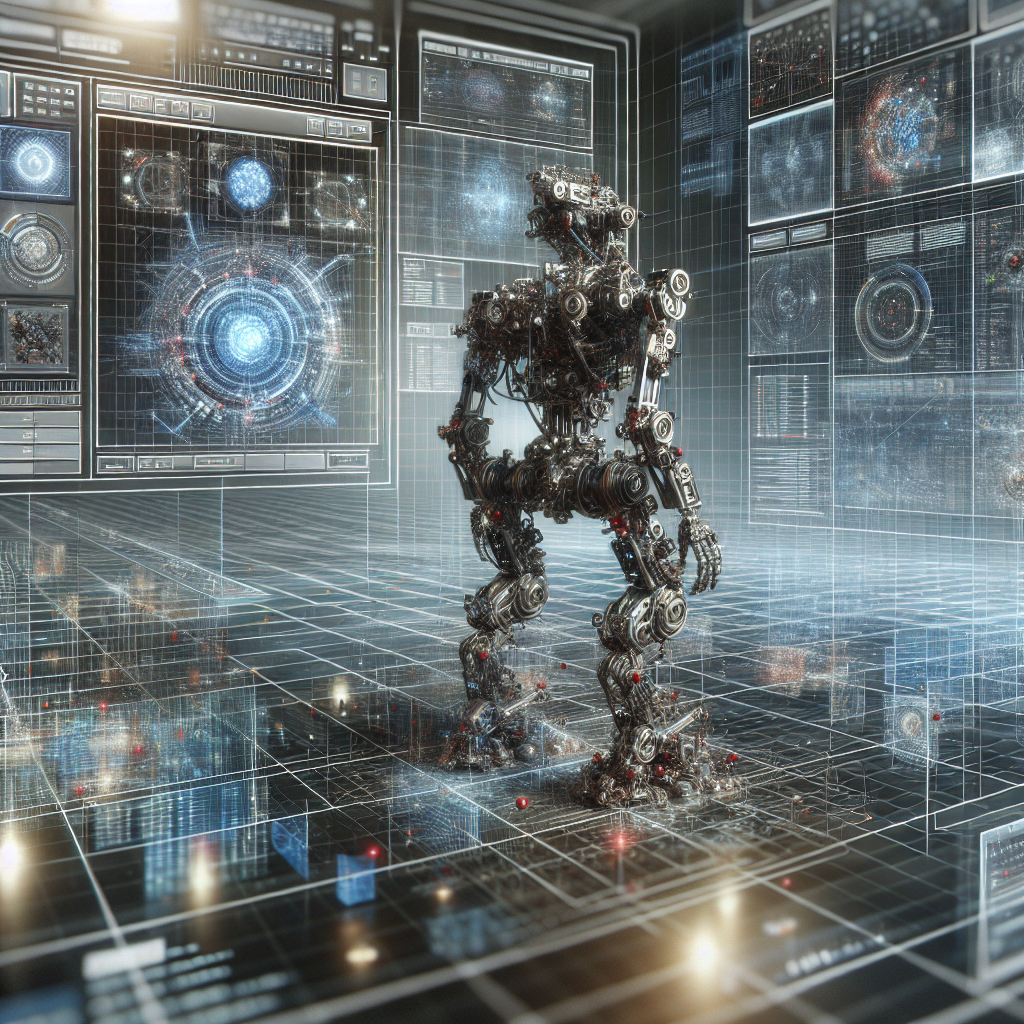
Robot simulation software is a pivotal tool in the field of robotics engineering, enabling the design, testing, and optimization of robotic systems in a virtual environment. This software allows engineers to model the behavior of robots, predict their performance, and identify potential issues before physical prototypes are built. The importance of robot simulation software cannot be overstated, as it significantly reduces development costs, accelerates the design process, and enhances the reliability and efficiency of robotic systems. In an era where robotics is increasingly integrated into various industries, from manufacturing to healthcare, the role of simulation software is more critical than ever.
Fundamentals
Basic Principles and Concepts
Robot simulation software operates on several fundamental principles and concepts:
- Modeling: The process of creating a digital representation of a robot, including its physical structure, sensors, actuators, and control systems.
- Simulation: The execution of the robot model in a virtual environment to study its behavior under different conditions.
- Visualization: The graphical representation of the robot and its environment, allowing engineers to observe and analyze its performance.
- Validation: The process of comparing simulation results with real-world data to ensure the accuracy and reliability of the model.
Key Terms
- Digital Twin: A virtual replica of a physical robot that is used for simulation and analysis.
- Inverse Kinematics: The mathematical process of determining the joint angles needed to achieve a desired position of the robot’s end effector.
- Forward Kinematics: The calculation of the position and orientation of the robot’s end effector based on given joint angles.
- Collision Detection: The identification of potential collisions between the robot and its environment during simulation.
Historical Development
The development of robot simulation software has a rich history, marked by several key milestones:
- 1960s: The advent of computer-aided design (CAD) systems laid the groundwork for the development of robot simulation software. Early CAD systems allowed engineers to create digital models of mechanical systems, including robots.
- 1970s: The first dedicated robot simulation software emerged, primarily used in academic research and aerospace applications. These early systems were limited in functionality and computational power.
- 1980s: Advances in computer graphics and processing power led to more sophisticated simulation tools. Notable contributions during this period include the development of the Denavit-Hartenberg (D-H) parameters for robot kinematics.
- 1990s: The rise of personal computers and graphical user interfaces (GUIs) made robot simulation software more accessible to engineers and researchers. Commercial software packages like RoboCAD and ADAMS began to gain popularity.
- 2000s: The integration of physics engines and real-time simulation capabilities marked a significant leap forward. Open-source platforms like Gazebo and V-REP (now CoppeliaSim) democratized access to advanced simulation tools.
- 2010s: The concept of digital twins gained traction, enabling more accurate and comprehensive simulations. Cloud computing and machine learning further enhanced the capabilities of robot simulation software.
Applications
Robot simulation software finds applications across a wide range of industries and fields:
Manufacturing
In manufacturing, robot simulation software is used to design and optimize robotic assembly lines. Engineers can simulate the entire production process, identify bottlenecks, and test different configurations to maximize efficiency. For example, automotive manufacturers use simulation software to design robotic welding and painting systems, ensuring high precision and quality.
Healthcare
In healthcare, robot simulation software is employed to develop and test surgical robots. Surgeons can practice complex procedures in a virtual environment, reducing the risk of errors during actual surgeries. Simulation software also aids in the design of assistive robots for rehabilitation and elderly care.
Aerospace
The aerospace industry uses robot simulation software to design and test robotic systems for space exploration. Simulations help engineers evaluate the performance of robots in the harsh conditions of space, such as zero gravity and extreme temperatures. NASA’s Mars rovers, for instance, were extensively tested using simulation software before their deployment.
Education and Research
Academic institutions and research organizations use robot simulation software as a teaching and research tool. Students can learn about robotics principles and experiment with different designs without the need for expensive hardware. Researchers use simulations to test new algorithms and control strategies.
Advanced Topics
Machine Learning and AI Integration
Recent advancements in machine learning and artificial intelligence (AI) have significantly enhanced the capabilities of robot simulation software. AI algorithms can be used to optimize robot behavior, improve decision-making, and enable adaptive learning. For example, reinforcement learning techniques allow robots to learn from their interactions with the environment, improving their performance over time.
Cloud-Based Simulation
Cloud computing has revolutionized robot simulation by providing scalable and accessible resources. Cloud-based simulation platforms allow engineers to run complex simulations without the need for high-end hardware. These platforms also facilitate collaboration, enabling teams to work together on simulation projects from different locations.
Digital Twins
The concept of digital twins has gained prominence in recent years. A digital twin is a virtual replica of a physical robot that is continuously updated with real-time data. This allows for more accurate simulations and predictive maintenance. Digital twins are used in various industries, including manufacturing, healthcare, and aerospace, to monitor and optimize the performance of robotic systems.
Challenges and Considerations
Accuracy and Validation
One of the primary challenges in robot simulation is ensuring the accuracy and reliability of the models. Discrepancies between the simulated and real-world behavior of robots can lead to costly errors. Validation techniques, such as comparing simulation results with experimental data, are essential to address this challenge.
Computational Complexity
Simulating complex robotic systems can be computationally intensive, requiring significant processing power and memory. This can limit the scope and scale of simulations, especially for real-time applications. Advances in parallel computing and optimization algorithms are helping to mitigate this issue.
Integration with Physical Systems
Integrating simulation software with physical robotic systems can be challenging. Ensuring seamless communication and synchronization between the virtual and physical worlds requires robust interfaces and protocols. This is particularly important for applications like digital twins, where real-time data exchange is critical.
Cost and Accessibility
While open-source simulation platforms have made significant strides in democratizing access, high-end commercial software can still be expensive. This can be a barrier for small businesses and academic institutions with limited budgets. Efforts to develop affordable and user-friendly simulation tools are ongoing.
Conclusion
Robot simulation software is an indispensable tool in the field of robotics engineering, offering numerous benefits in terms of cost reduction, design optimization, and risk mitigation. From its early beginnings in CAD systems to the advanced AI-driven platforms of today, simulation software has evolved significantly, enabling engineers to push the boundaries of what is possible in robotics. As industries continue to embrace automation and intelligent systems, the role of robot simulation software will only grow in importance. By addressing current challenges and leveraging emerging technologies, the future of robot simulation holds immense potential for innovation and advancement in robotics engineering.