Robot Programming Languages
Introduction
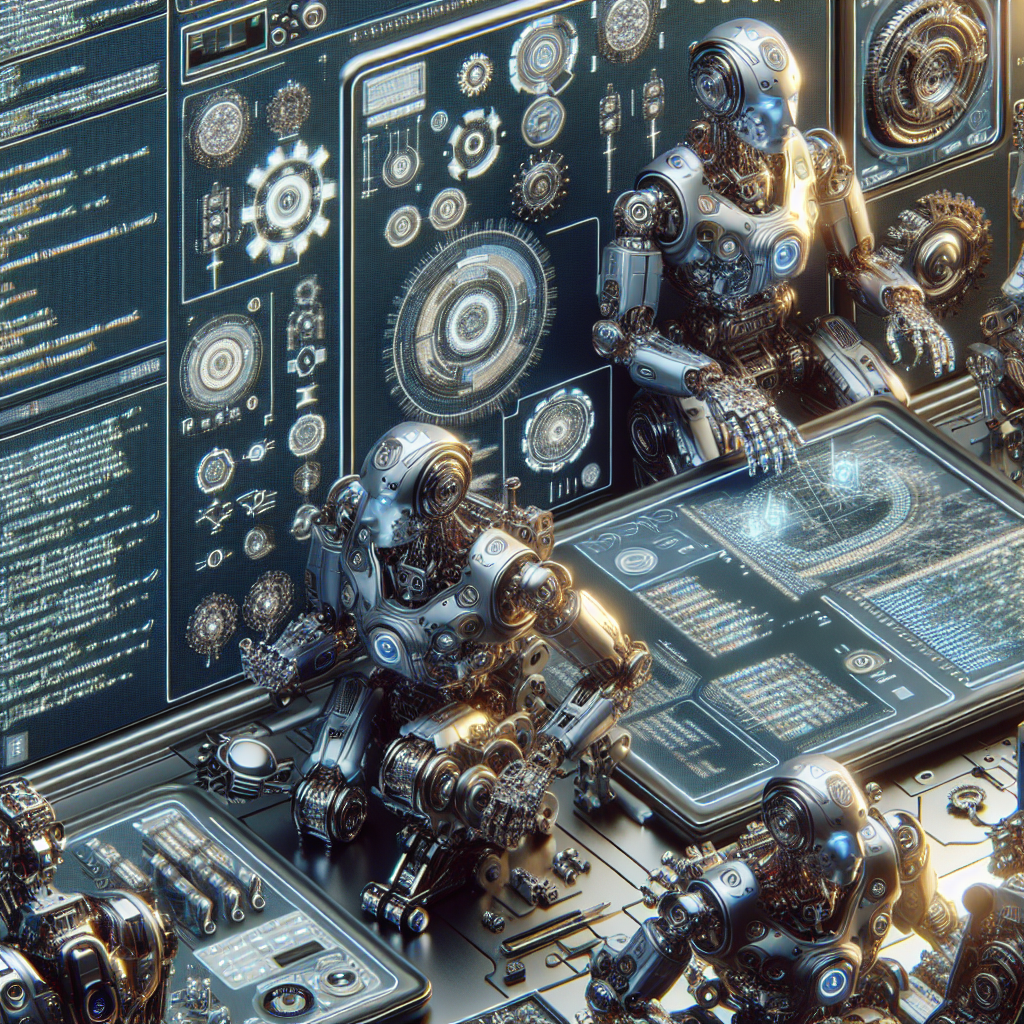
Robot programming languages are specialized languages used to instruct robots on how to perform tasks. These languages are crucial in the field of engineering, particularly in robotics, as they enable the creation of complex behaviors and functionalities in robotic systems. The importance of robot programming languages cannot be overstated; they are the bridge between human intentions and robotic actions, allowing engineers to design, simulate, and implement robotic solutions across various industries. This article delves into the fundamentals, historical development, applications, advanced topics, and challenges associated with robot programming languages, providing a comprehensive overview of their role in engineering.
Fundamentals
Basic Principles and Concepts
Robot programming languages are designed to facilitate the control and coordination of robotic systems. These languages can be categorized into several types, including:
- Low-level languages: These languages, such as Assembly and C, provide direct control over the hardware. They are used for tasks that require high precision and performance.
- High-level languages: Languages like Python and Java offer more abstraction, making it easier to write complex programs without dealing with hardware specifics.
- Domain-specific languages: These are tailored for specific robotic applications, such as Robot Operating System (ROS) and VEX Robotics.
Key terms in robot programming include:
- Actuators: Components that convert electrical signals into physical movement.
- Sensors: Devices that collect data from the environment, such as cameras and LIDAR.
- Control algorithms: Mathematical models that determine how a robot should move or react based on sensor inputs.
Historical Development
Early Beginnings
The history of robot programming languages dates back to the mid-20th century. One of the earliest milestones was the development of the first industrial robot, Unimate, in the 1960s. Unimate was programmed using a simple language that allowed it to perform repetitive tasks in manufacturing.
Key Milestones
Several key milestones have shaped the evolution of robot programming languages:
- 1960s: The introduction of Unimate and the development of early programming languages like VAL (Variable Assembly Language).
- 1980s: The emergence of more sophisticated languages like AML (A Manufacturing Language) and the introduction of ROS, which revolutionized robot programming by providing a flexible framework for developing robotic applications.
- 2000s: The rise of open-source platforms and languages, such as Python and C++, which have become popular for their ease of use and extensive libraries.
Notable Figures
Several notable figures have made significant contributions to the field of robot programming languages:
- George Devol: Inventor of the first industrial robot, Unimate.
- Joseph Engelberger: Known as the “father of robotics,” he played a crucial role in the commercialization of industrial robots.
- Willow Garage: A robotics research lab that developed ROS, which has become a standard in the field.
Applications
Industrial Automation
Robot programming languages are extensively used in industrial automation. Robots programmed with languages like RAPID (used by ABB robots) and KRL (KUKA Robot Language) perform tasks such as welding, painting, and assembly with high precision and efficiency. For example, automotive manufacturers use robots to assemble cars, ensuring consistent quality and reducing production time.
Healthcare
In healthcare, robots programmed with languages like Python and C++ are used for surgical assistance, rehabilitation, and patient care. The da Vinci Surgical System, for instance, allows surgeons to perform minimally invasive procedures with enhanced precision and control.
Agriculture
Agricultural robots, programmed with languages like ROS, are used for tasks such as planting, harvesting, and monitoring crops. These robots help farmers increase productivity and reduce labor costs. For example, the Agrobot E-Series uses computer vision and machine learning algorithms to pick strawberries with high accuracy.
Service Robots
Service robots, such as vacuum cleaners and delivery robots, are programmed with high-level languages like Python and Java. These robots perform tasks in domestic and commercial settings, improving convenience and efficiency. The Roomba vacuum cleaner, for instance, uses sensors and algorithms to navigate and clean floors autonomously.
Advanced Topics
Machine Learning and AI
Recent advancements in machine learning and artificial intelligence (AI) have significantly impacted robot programming. Languages like Python, with libraries such as TensorFlow and PyTorch, enable the development of intelligent robots that can learn from data and adapt to new situations. For example, autonomous vehicles use machine learning algorithms to navigate complex environments and make real-time decisions.
Simulation and Virtual Reality
Simulation tools and virtual reality (VR) environments are increasingly used in robot programming. These tools allow engineers to design, test, and optimize robotic systems in a virtual setting before deploying them in the real world. Software like Gazebo and V-REP provides realistic simulations of robotic environments, reducing development time and costs.
Collaborative Robots
Collaborative robots, or cobots, are designed to work alongside humans in shared environments. Programming these robots involves ensuring safety and efficiency. Languages like URScript (used by Universal Robots) and frameworks like ROS are used to develop cobots that can perform tasks such as assembly, packaging, and quality inspection while interacting safely with human workers.
Challenges and Considerations
Complexity and Learning Curve
One of the main challenges in robot programming is the complexity and steep learning curve associated with some languages. Engineers need to have a deep understanding of both software and hardware to develop effective robotic solutions. Simplifying programming interfaces and providing comprehensive training can help address this challenge.
Interoperability
Interoperability between different robotic systems and programming languages is another significant challenge. Standardizing communication protocols and developing middleware solutions can facilitate seamless integration and collaboration between robots from different manufacturers.
Safety and Reliability
Ensuring the safety and reliability of robotic systems is crucial, especially in applications involving human interaction. Developing robust control algorithms, implementing fail-safe mechanisms, and conducting thorough testing are essential to mitigate risks and ensure the safe operation of robots.
Ethical Considerations
The increasing use of robots raises ethical considerations, such as job displacement and privacy concerns. Addressing these issues requires a balanced approach that considers the benefits and potential drawbacks of robotic automation. Policymakers, industry leaders, and researchers must work together to develop guidelines and regulations that promote the responsible use of robots.
Conclusion
Robot programming languages play a pivotal role in the field of robotics in engineering. They enable the development of sophisticated robotic systems that perform a wide range of tasks across various industries. From industrial automation to healthcare and agriculture, the applications of robot programming languages are vast and diverse. Recent advancements in machine learning, AI, and simulation tools have further expanded the capabilities of robotic systems, paving the way for innovative solutions and future trends.
Despite the challenges associated with complexity, interoperability, safety, and ethical considerations, the continued evolution of robot programming languages holds great promise for the future of robotics. By addressing these challenges and fostering collaboration between researchers, engineers, and policymakers, we can unlock the full potential of robotic technologies and drive progress in engineering and beyond.