
Autonomous Robots
Introduction
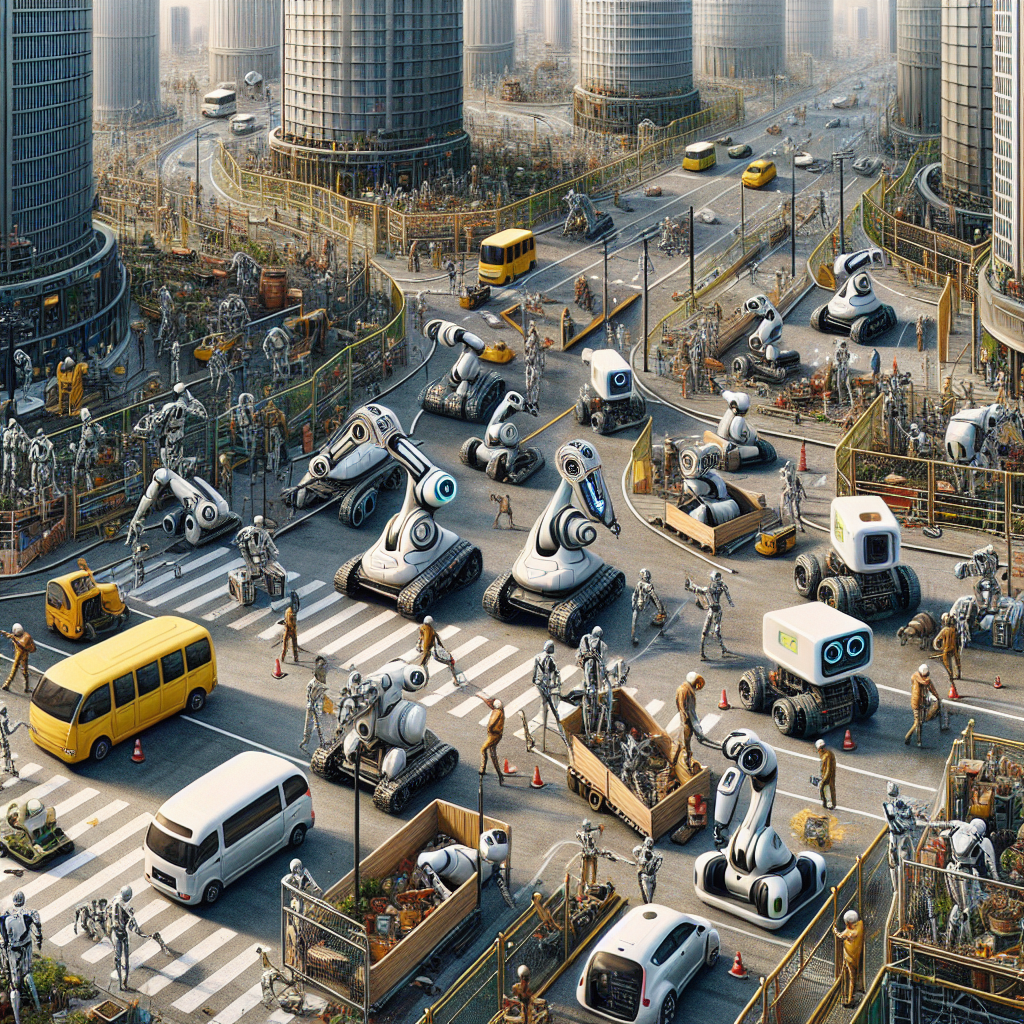
Autonomous robots represent a significant leap forward in the field of robotics and engineering. These self-operating machines are designed to perform tasks without human intervention, leveraging advanced technologies such as artificial intelligence (AI), machine learning, and sensor integration. The importance of autonomous robots cannot be overstated, as they have the potential to revolutionize various industries, from manufacturing and healthcare to agriculture and logistics. This article delves into the fundamentals, historical development, applications, advanced topics, challenges, and future trends of autonomous robots, providing a comprehensive overview of this transformative technology.
Fundamentals
Basic Principles and Concepts
At its core, an autonomous robot is a machine capable of performing tasks independently, without direct human control. This autonomy is achieved through a combination of hardware and software components that enable the robot to perceive its environment, make decisions, and execute actions.
Key Terms and Definitions
- Artificial Intelligence (AI): The simulation of human intelligence processes by machines, particularly computer systems.
- Machine Learning: A subset of AI that involves the use of algorithms and statistical models to enable machines to improve their performance on a task through experience.
- Sensors: Devices that detect and respond to changes in the environment, providing data that the robot can use to make decisions.
- Actuators: Components that convert electrical signals into physical movement, allowing the robot to interact with its environment.
- Control Systems: The algorithms and software that govern the robot’s behavior, ensuring it performs tasks accurately and efficiently.
Theories and Concepts
Autonomous robots rely on several key theories and concepts, including:
- Perception: The process of gathering and interpreting sensory data to understand the environment.
- Localization: Determining the robot’s position within its environment.
- Path Planning: Developing a route for the robot to follow to achieve its goals.
- Decision Making: Using algorithms to choose the best course of action based on the current situation and objectives.
Historical Development
Early Innovations
The concept of autonomous robots dates back to the mid-20th century, with early innovations primarily focused on simple, pre-programmed machines. One of the first notable examples was the Unimate, an industrial robot introduced in the 1960s that could perform repetitive tasks on assembly lines.
Key Milestones
- 1961: The Unimate, the first industrial robot, is installed at a General Motors plant.
- 1980s: The development of mobile robots, such as Shakey the Robot, which could navigate and perform tasks in a controlled environment.
- 1990s: Advances in AI and machine learning lead to more sophisticated autonomous robots, such as the Mars rovers Sojourner and Spirit.
- 2000s: The introduction of consumer robots, such as the Roomba vacuum cleaner, brings autonomous robots into everyday life.
- 2010s: Significant progress in AI, machine learning, and sensor technology enables the development of highly advanced autonomous robots, such as self-driving cars and drones.
Notable Figures
Several individuals have made significant contributions to the field of autonomous robots, including:
- George Devol: Inventor of the Unimate, the first industrial robot.
- Rodney Brooks: Pioneer in the development of mobile robots and co-founder of iRobot, the company behind the Roomba.
- Hans Moravec: A leading researcher in robotics and AI, known for his work on robot perception and navigation.
Applications
Manufacturing
Autonomous robots have transformed the manufacturing industry by increasing efficiency, reducing costs, and improving safety. Examples include:
- Automated Guided Vehicles (AGVs): Used for material handling and transportation within factories.
- Robotic Arms: Perform tasks such as welding, painting, and assembly with high precision.
Healthcare
In healthcare, autonomous robots assist in various tasks, from surgery to patient care. Examples include:
- Surgical Robots: Provide enhanced precision and control during complex procedures.
- Service Robots: Assist with tasks such as medication delivery and patient monitoring.
Agriculture
Autonomous robots are revolutionizing agriculture by increasing productivity and reducing labor costs. Examples include:
- Autonomous Tractors: Perform tasks such as plowing, planting, and harvesting.
- Drones: Monitor crop health and apply pesticides or fertilizers.
Logistics and Supply Chain
In logistics, autonomous robots streamline operations and improve efficiency. Examples include:
- Warehouse Robots: Automate tasks such as picking, packing, and sorting.
- Delivery Drones: Provide fast and efficient delivery of goods.
Advanced Topics
Recent Research and Innovations
Recent advancements in AI, machine learning, and sensor technology have led to significant innovations in autonomous robots. Some notable developments include:
- Deep Learning: Enables robots to learn from vast amounts of data, improving their ability to recognize patterns and make decisions.
- Simultaneous Localization and Mapping (SLAM): Allows robots to create maps of their environment while simultaneously determining their location within it.
- Collaborative Robots (Cobots): Designed to work alongside humans, enhancing productivity and safety in various industries.
Future Trends
The future of autonomous robots is promising, with several emerging trends poised to shape the field:
- Swarm Robotics: Involves the coordination of multiple robots to perform tasks collectively, inspired by the behavior of social insects.
- Human-Robot Interaction (HRI): Focuses on improving the ways humans and robots communicate and collaborate.
- Edge Computing: Enables robots to process data locally, reducing latency and improving real-time decision-making.
Challenges and Considerations
Technical Challenges
Despite significant advancements, autonomous robots face several technical challenges:
- Perception and Sensing: Ensuring robots can accurately perceive and interpret their environment remains a complex problem.
- Robustness and Reliability: Developing robots that can operate reliably in diverse and unpredictable environments is challenging.
- Energy Efficiency: Improving the energy efficiency of autonomous robots is crucial for extending their operational time.
Ethical and Social Considerations
The deployment of autonomous robots also raises ethical and social considerations:
- Job Displacement: The automation of tasks traditionally performed by humans may lead to job losses in certain industries.
- Privacy and Security: Ensuring the privacy and security of data collected by autonomous robots is essential.
- Accountability: Determining responsibility in the event of a malfunction or accident involving an autonomous robot is a complex issue.
Potential Solutions
Addressing these challenges requires a multifaceted approach:
- Interdisciplinary Research: Collaboration between experts in robotics, AI, ethics, and social sciences can help address technical and societal challenges.
- Regulation and Standards: Developing clear regulations and standards can ensure the safe and ethical deployment of autonomous robots.
- Public Engagement: Engaging with the public to address concerns and promote understanding of autonomous robots is crucial for their acceptance.
Conclusion
Autonomous robots represent a transformative technology with the potential to revolutionize various industries and improve our daily lives. From their early development to recent advancements in AI and machine learning, autonomous robots have come a long way. Their applications in manufacturing, healthcare, agriculture, and logistics demonstrate their versatility and impact. However, several technical, ethical, and social challenges must be addressed to fully realize their potential. By fostering interdisciplinary research, developing clear regulations, and engaging with the public, we can ensure the safe and ethical deployment of autonomous robots, paving the way for a future where they play an integral role in our society.