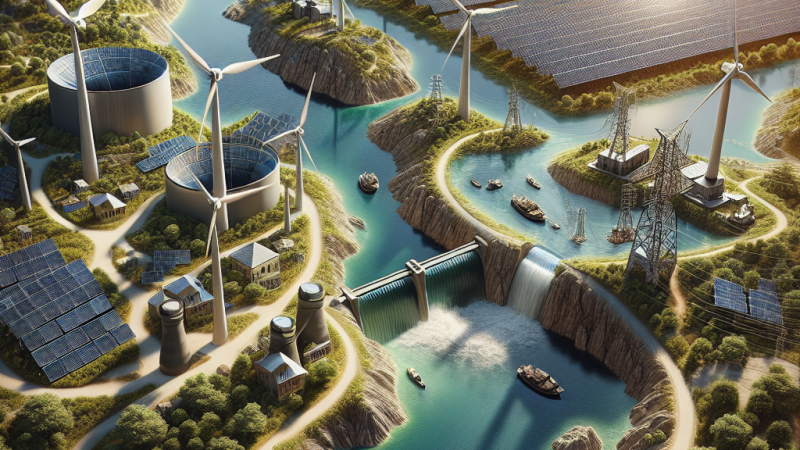
Renewable Energy in Industry
Introduction

Renewable energy has become a cornerstone in the quest for sustainable development, particularly in the field of engineering. As industries worldwide grapple with the dual challenges of meeting growing energy demands and reducing environmental impact, renewable energy sources offer a viable solution. This article delves into the significance of renewable energy in industry, exploring its principles, historical development, applications, advanced topics, challenges, and future prospects.
Fundamentals
Basic Principles and Concepts
Renewable energy refers to energy derived from natural processes that are replenished at a faster rate than they are consumed. Key sources include solar, wind, hydro, geothermal, and biomass energy. Unlike fossil fuels, which are finite and contribute to environmental degradation, renewable energy sources are sustainable and have a lower environmental footprint.
Key Terms and Definitions
- Photovoltaic (PV) Cells: Devices that convert sunlight directly into electricity.
- Wind Turbines: Machines that convert kinetic energy from wind into mechanical power, which is then converted into electricity.
- Hydropower: Energy derived from the movement of water, typically harnessed by dams and turbines.
- Geothermal Energy: Heat energy extracted from the Earth’s interior.
- Biomass: Organic material that can be used as fuel to produce energy.
Historical Development
Early Innovations
The use of renewable energy dates back centuries, with early civilizations harnessing wind and water power for various applications. The first windmills appeared in Persia around 500-900 AD, while water wheels were used in ancient Greece and Rome.
Modern Milestones
The modern era of renewable energy began in the late 19th and early 20th centuries. Key milestones include:
- 1888: Charles F. Brush builds the first large-scale wind turbine for electricity generation in Cleveland, Ohio.
- 1954: Bell Labs develops the first practical photovoltaic cell.
- 1970s: The oil crisis spurs interest in alternative energy sources, leading to significant advancements in solar and wind technologies.
- 2000s: Rapid technological advancements and policy support lead to a surge in renewable energy adoption worldwide.
Applications
Industrial Applications
Renewable energy is increasingly being integrated into various industrial processes. Key applications include:
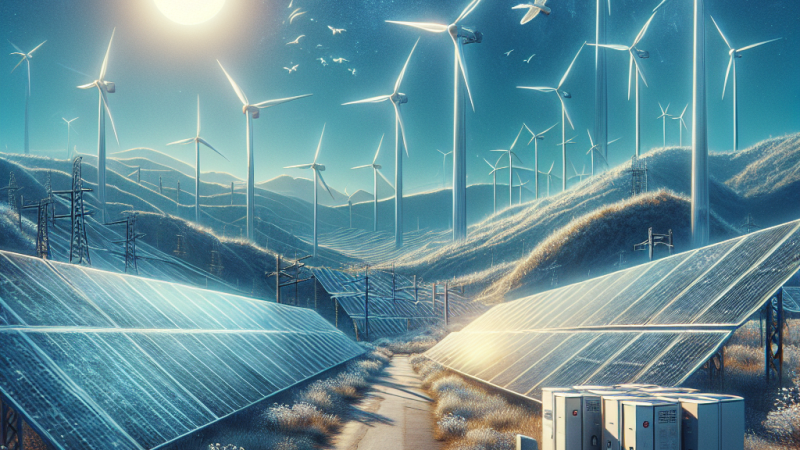
- Manufacturing: Solar panels and wind turbines are used to power manufacturing plants, reducing reliance on fossil fuels and lowering carbon emissions.
- Mining: Renewable energy sources, such as solar and wind, are used to power remote mining operations, reducing the need for diesel generators.
- Food and Beverage: Biomass energy is used to power food processing plants, while solar energy is used for water heating and refrigeration.
- Textiles: Solar and wind energy are used to power textile manufacturing processes, reducing energy costs and environmental impact.
Case Studies
Several industries have successfully integrated renewable energy into their operations. For example:
- Tesla Gigafactory: Tesla’s Gigafactory in Nevada is powered by a combination of solar, wind, and geothermal energy, making it one of the most sustainable manufacturing facilities in the world.
- Apple Data Centers: Apple’s data centers are powered entirely by renewable energy, including solar, wind, and hydroelectric power.
- Unilever: Unilever has committed to sourcing 100% of its energy from renewable sources by 2030, with several of its factories already powered by solar and wind energy.
Advanced Topics
Recent Research and Innovations
Recent advancements in renewable energy technologies have opened up new possibilities for industrial applications. Key innovations include:
- Advanced Photovoltaics: Research into perovskite solar cells has shown promise for higher efficiency and lower production costs compared to traditional silicon-based cells.
- Offshore Wind Farms: Advances in turbine technology and floating platforms have made offshore wind farms more viable, providing a significant source of renewable energy.
- Energy Storage: Innovations in battery technology, such as lithium-ion and solid-state batteries, are improving the efficiency and reliability of energy storage systems, enabling better integration of renewable energy into the grid.
- Smart Grids: The development of smart grid technology allows for better management and distribution of renewable energy, reducing waste and improving efficiency.
Future Trends
The future of renewable energy in industry looks promising, with several trends expected to shape the landscape:
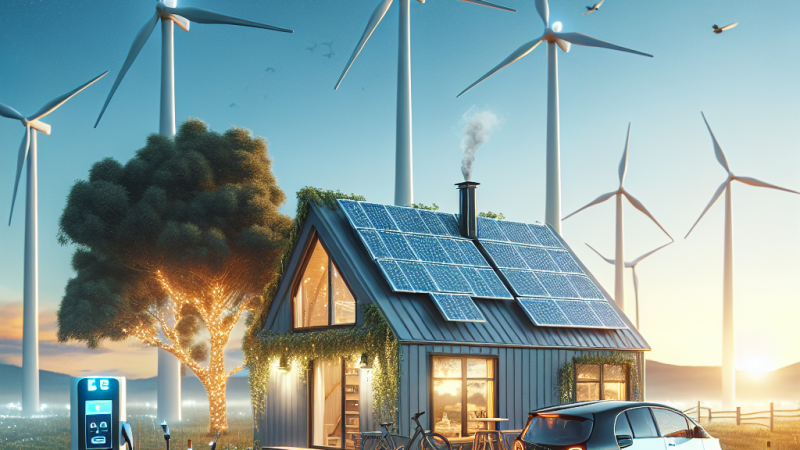
- Decentralized Energy Systems: The rise of decentralized energy systems, such as microgrids and distributed generation, will enable industries to generate and manage their own renewable energy.
- Integration with IoT: The integration of renewable energy systems with the Internet of Things (IoT) will enable real-time monitoring and optimization of energy use.
- Green Hydrogen: The production of green hydrogen using renewable energy sources is expected to play a significant role in decarbonizing industries such as steel and cement manufacturing.
Challenges and Considerations
Technical Challenges
Despite the numerous benefits, integrating renewable energy into industrial processes presents several challenges:
- Intermittency: Renewable energy sources, such as solar and wind, are intermittent and dependent on weather conditions, making it challenging to ensure a consistent energy supply.
- Energy Storage: Effective energy storage solutions are needed to store excess energy generated during peak production periods for use during low production periods.
- Grid Integration: Integrating renewable energy into existing grid infrastructure requires significant upgrades and investments.
Economic Considerations
The economic feasibility of renewable energy projects is another critical consideration:
- Initial Investment: The initial cost of setting up renewable energy systems can be high, although this is often offset by long-term savings on energy costs.
- Incentives and Subsidies: Government incentives and subsidies play a crucial role in making renewable energy projects economically viable.
- Return on Investment (ROI): Industries need to carefully evaluate the ROI of renewable energy projects to ensure they are financially sustainable.
Environmental and Social Considerations
While renewable energy is generally more environmentally friendly than fossil fuels, it is not without its own set of environmental and social considerations:
- Land Use: Large-scale renewable energy projects, such as solar farms and wind farms, require significant land, which can impact local ecosystems and communities.
- Resource Use: The production of renewable energy technologies, such as solar panels and batteries, requires the extraction of raw materials, which can have environmental and social impacts.
- Community Impact: Renewable energy projects can impact local communities, both positively and negatively, and it is essential to engage with stakeholders to address any concerns.
Conclusion
Renewable energy is playing an increasingly important role in the industrial sector, offering a sustainable solution to meet growing energy demands while reducing environmental impact. From early innovations to modern advancements, the integration of renewable energy into industrial processes has come a long way. While there are challenges to overcome, ongoing research and technological advancements are paving the way for a more sustainable future. As industries continue to adopt renewable energy, it will be crucial to address technical, economic, and environmental considerations to ensure a successful transition. The importance of renewable energy in engineering cannot be overstated, as it holds the key to a more sustainable and resilient industrial sector.