Fundamentals of Renewable Energy
Introduction
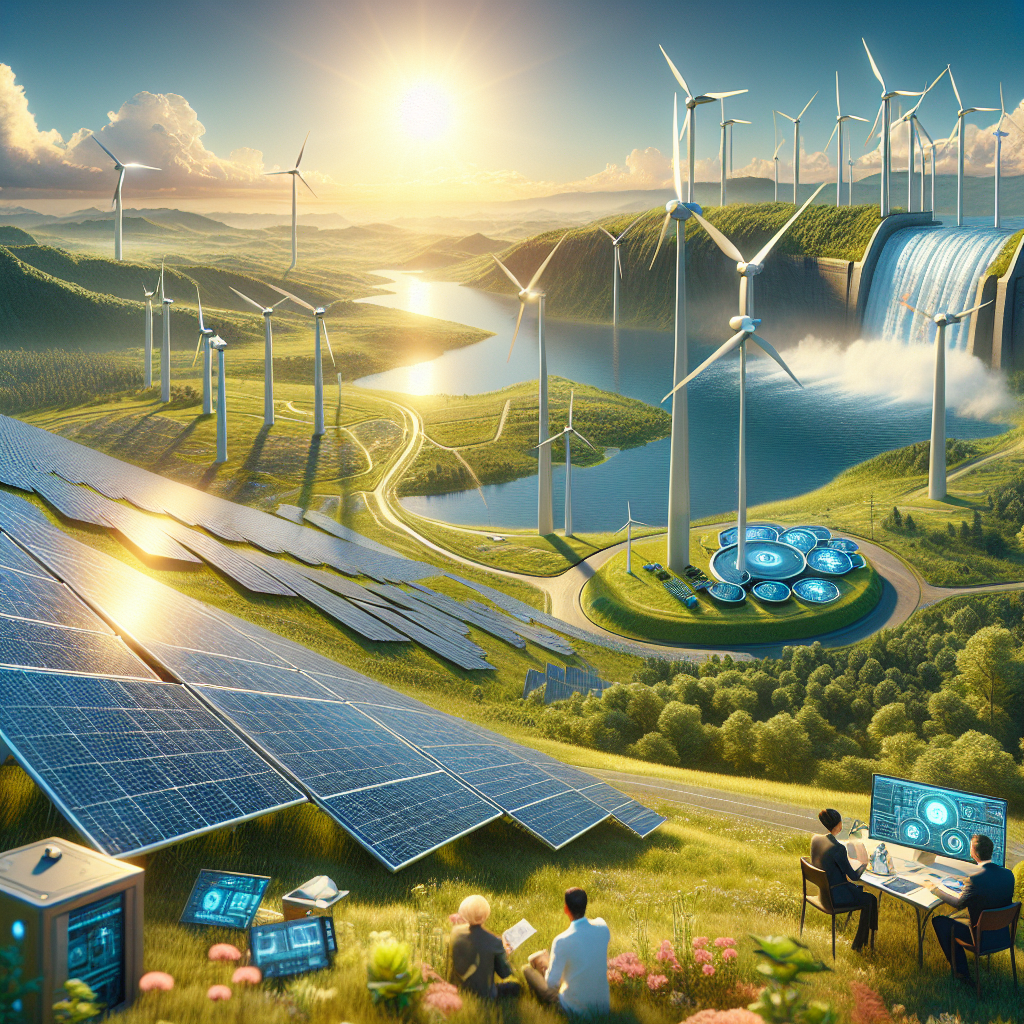
Renewable energy is a cornerstone of modern engineering, representing a shift towards sustainable and environmentally friendly power generation. As the world grapples with the adverse effects of climate change and the depletion of fossil fuels, the importance of renewable energy cannot be overstated. This article delves into the fundamentals of renewable energy, exploring its principles, historical development, applications, advanced topics, and the challenges it faces. By understanding these aspects, engineers and stakeholders can better appreciate the role of renewable energy in shaping a sustainable future.
Fundamentals
Basic Principles and Concepts
Renewable energy refers to energy derived from natural sources that are replenished on a human timescale. These sources include solar, wind, hydro, geothermal, and biomass. Unlike fossil fuels, which are finite and emit greenhouse gases, renewable energy sources are abundant and produce little to no emissions.
Key Terms and Definitions
- Photovoltaic (PV) Cells: Devices that convert sunlight directly into electricity using semiconducting materials.
- Wind Turbines: Machines that convert the kinetic energy of wind into mechanical power, which can then be converted into electricity.
- Hydropower: The generation of electricity using the energy of moving water.
- Geothermal Energy: Energy derived from the heat stored within the Earth.
- Biomass: Organic material that can be used as fuel to produce energy.
Theories and Concepts
Several theories underpin the operation of renewable energy systems. For instance, the photoelectric effect explains how photovoltaic cells generate electricity. Similarly, the Betz limit defines the maximum efficiency of wind turbines. Understanding these theories is crucial for designing and optimizing renewable energy systems.
Historical Development
Early Beginnings
The use of renewable energy dates back to ancient civilizations. For example, windmills were used in Persia as early as 500-900 AD for grinding grain and pumping water. Similarly, water wheels have been used for centuries to harness the energy of flowing water.
Modern Era
The modern era of renewable energy began in the late 19th and early 20th centuries. Notable milestones include the invention of the first photovoltaic cell by Charles Fritts in 1883 and the development of the first modern wind turbine by Poul la Cour in 1891. The 1970s energy crisis further spurred interest in renewable energy, leading to significant advancements in technology and policy.
Recent Developments
In recent decades, renewable energy has seen exponential growth. Innovations such as more efficient solar panels, larger and more efficient wind turbines, and advanced energy storage systems have made renewable energy more viable and cost-effective. Governments worldwide have also implemented policies and incentives to promote the adoption of renewable energy.
Applications
Residential Sector
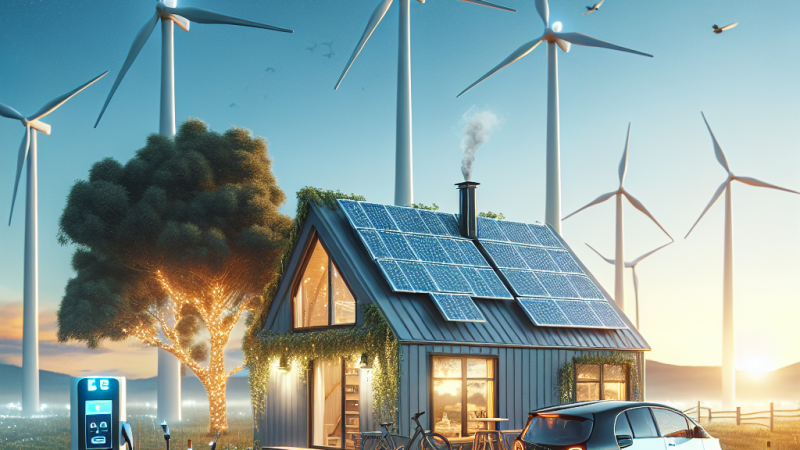
In the residential sector, renewable energy is used for electricity generation, heating, and cooling. Solar panels on rooftops, small wind turbines, and geothermal heat pumps are common applications. These technologies not only reduce energy bills but also decrease the carbon footprint of households.
Commercial and Industrial Sectors
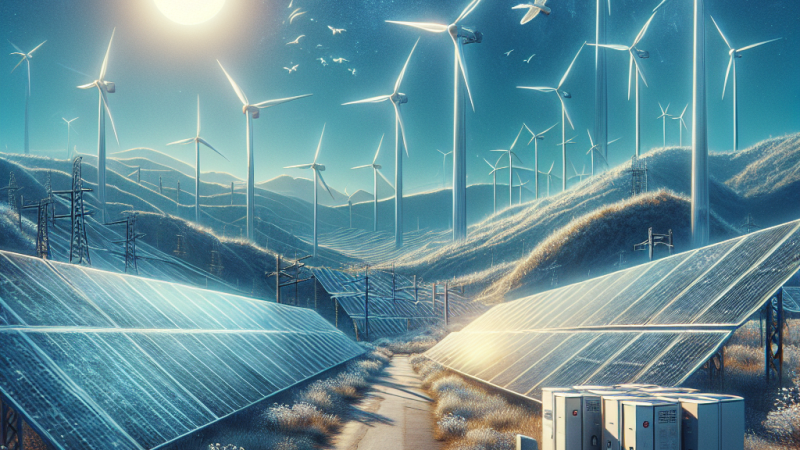
Businesses and industries are increasingly adopting renewable energy to power their operations. For example, large-scale solar farms and wind farms provide electricity to commercial buildings and manufacturing plants. Additionally, biomass is used in industries for combined heat and power (CHP) systems.
Transportation
Renewable energy is also making inroads into the transportation sector. Electric vehicles (EVs) powered by renewable electricity and biofuels derived from organic materials are reducing the reliance on fossil fuels. Hydrogen fuel cells, which produce electricity through a chemical reaction between hydrogen and oxygen, are another promising technology.
Case Studies
- Germany’s Energiewende: Germany’s ambitious energy transition plan aims to phase out nuclear power and significantly increase the share of renewables in its energy mix. As of 2020, renewables accounted for over 40% of Germany’s electricity consumption.
- California’s Solar Initiative: California has been a leader in solar energy adoption, with initiatives like the California Solar Initiative (CSI) providing incentives for residential and commercial solar installations. As a result, California has the highest installed solar capacity in the United States.
Advanced Topics
Recent Research and Innovations
Recent research in renewable energy focuses on improving efficiency, reducing costs, and integrating renewable sources into the grid. For example, perovskite solar cells are a new type of photovoltaic technology that promises higher efficiency and lower production costs compared to traditional silicon-based cells. Similarly, advancements in wind turbine design, such as floating offshore wind turbines, are expanding the potential for wind energy.
Energy Storage
Energy storage is a critical component of renewable energy systems, addressing the intermittent nature of sources like solar and wind. Technologies such as lithium-ion batteries, pumped hydro storage, and emerging solutions like flow batteries and supercapacitors are being developed to store excess energy and release it when needed.
Smart Grids
Smart grids are advanced electrical grids that use digital technology to monitor and manage the flow of electricity. They enable better integration of renewable energy sources, improve grid reliability, and enhance energy efficiency. Features like demand response, real-time monitoring, and automated control systems are key components of smart grids.
Future Trends
The future of renewable energy looks promising, with trends pointing towards increased adoption and technological advancements. Innovations in artificial intelligence (AI) and machine learning are being applied to optimize renewable energy systems. Additionally, the development of green hydrogen, produced using renewable electricity, holds potential for decarbonizing sectors like heavy industry and transportation.
Challenges and Considerations
Intermittency and Reliability
One of the main challenges of renewable energy is its intermittency. Solar and wind energy depend on weather conditions, making them less reliable compared to traditional power sources. Energy storage solutions and grid management strategies are essential to address this issue.
Cost and Economic Viability
While the cost of renewable energy technologies has decreased significantly, initial investment costs can still be high. Economic viability depends on factors like government incentives, market conditions, and technological advancements. Continued research and development are crucial to further reduce costs and improve efficiency.
Environmental and Social Impacts
Renewable energy projects can have environmental and social impacts. For example, large-scale solar farms and wind farms can affect local ecosystems and communities. It is important to conduct thorough environmental impact assessments and engage with stakeholders to mitigate these impacts.
Policy and Regulatory Challenges
Effective policies and regulations are essential for promoting renewable energy adoption. However, inconsistent policies, regulatory barriers, and lack of infrastructure can hinder progress. Policymakers need to create a supportive environment that encourages investment and innovation in renewable energy.
Conclusion
Renewable energy is a vital component of the transition towards a sustainable and low-carbon future. Understanding its fundamentals, historical development, applications, advanced topics, and challenges is essential for engineers and stakeholders in the field. As technology continues to evolve and policies become more supportive, renewable energy will play an increasingly important role in meeting global energy needs. By addressing the challenges and leveraging innovations, we can unlock the full potential of renewable energy and pave the way for a cleaner, greener future.