Fluid Power Systems: Design and Applications
Introduction
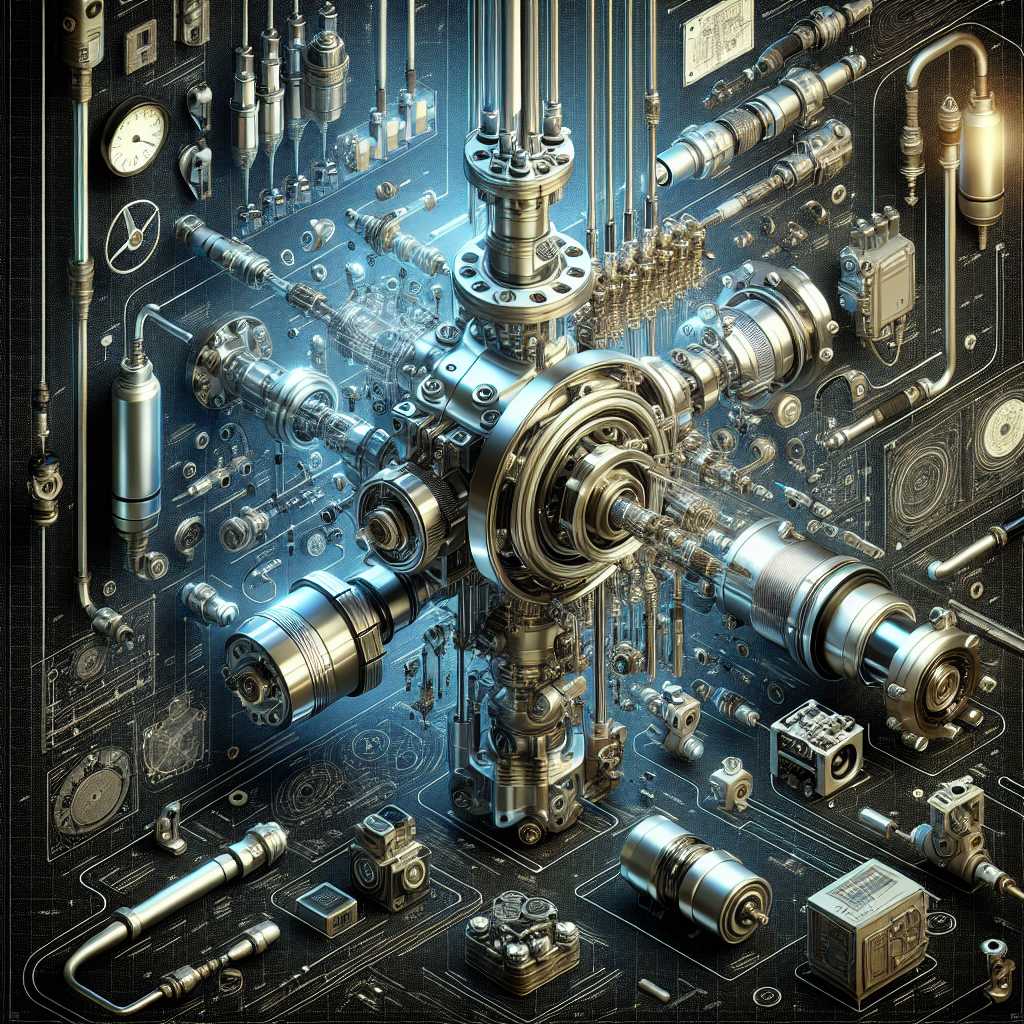
Fluid power systems are a cornerstone in the field of Mechanics of Machines in Engineering, playing a pivotal role in the operation of various mechanical systems. These systems utilize fluids—either liquids or gases—to transmit power, control motion, and perform work. The importance of fluid power systems cannot be overstated, as they are integral to a wide range of applications, from industrial machinery and automotive systems to aerospace and robotics. This article delves into the design and applications of fluid power systems, providing a comprehensive overview of their fundamentals, historical development, practical applications, advanced topics, and associated challenges.
Fundamentals
Basic Principles and Concepts
Fluid power systems operate on the principles of fluid mechanics and hydraulics. The two primary types of fluid power systems are hydraulic systems, which use liquids (typically oil), and pneumatic systems, which use compressed air or other gases. The fundamental components of these systems include pumps or compressors, actuators (such as cylinders or motors), valves, and fluid reservoirs.
Key Terms and Definitions
- Hydraulics: The branch of science concerned with the practical applications of fluids in motion.
- Pneumatics: The branch of technology that deals with the study and application of pressurized gas to produce mechanical motion.
- Actuator: A device that converts fluid power into mechanical motion.
- Valve: A device that controls the flow and pressure of fluid within a system.
- Pump: A mechanical device that moves fluid by mechanical action.
- Compressor: A mechanical device that increases the pressure of a gas by reducing its volume.
Historical Development
The development of fluid power systems can be traced back to ancient civilizations, where early forms of hydraulic systems were used for irrigation and water supply. However, significant advancements occurred during the Industrial Revolution in the 18th and 19th centuries. The invention of the hydraulic press by Joseph Bramah in 1795 marked a pivotal moment in the history of fluid power systems. Bramah’s press utilized Pascal’s principle, which states that pressure applied to a confined fluid is transmitted equally in all directions.
In the 20th century, the development of more sophisticated hydraulic and pneumatic systems accelerated, driven by the demands of industrial automation and the automotive industry. Notable figures such as Harry Vickers, who invented the first hydraulic servo valve, made significant contributions to the field. The advent of computer technology further revolutionized fluid power systems, enabling precise control and automation.
Applications
Industrial Machinery
Fluid power systems are extensively used in industrial machinery for tasks such as lifting, pressing, and moving heavy loads. Hydraulic presses, for example, are used in metal forming processes, while pneumatic systems are employed in assembly lines for tasks like clamping and positioning.
Automotive Industry
In the automotive industry, fluid power systems are crucial for various functions, including braking, steering, and suspension. Hydraulic brake systems provide the necessary force to stop vehicles, while power steering systems use hydraulic or electric actuators to assist in steering.
Aerospace
The aerospace industry relies on fluid power systems for critical functions such as landing gear operation, flight control surfaces, and thrust reversers. These systems must be highly reliable and capable of operating under extreme conditions.
Robotics
In robotics, fluid power systems are used to achieve precise and powerful movements. Hydraulic actuators provide the necessary force for heavy-duty robotic arms, while pneumatic systems are used in lighter applications requiring rapid and repetitive motion.
Case Studies
One notable example of fluid power systems in action is the use of hydraulic systems in construction equipment such as excavators and bulldozers. These machines rely on hydraulic cylinders and motors to perform tasks like digging, lifting, and moving earth. Another example is the use of pneumatic systems in packaging machinery, where compressed air is used to control the movement of packaging materials and products.
Advanced Topics
Electro-Hydraulic Systems
Electro-hydraulic systems combine the power of hydraulics with the precision of electronic control. These systems use electronic sensors and controllers to regulate hydraulic actuators, enabling precise and efficient operation. Recent research in this area focuses on improving the energy efficiency and responsiveness of electro-hydraulic systems.
Smart Fluid Power Systems
Advancements in sensor technology and data analytics have led to the development of smart fluid power systems. These systems use real-time data to monitor and optimize performance, predict maintenance needs, and reduce downtime. Innovations such as the Internet of Things (IoT) and machine learning are driving the evolution of smart fluid power systems.
Energy Efficiency
Improving the energy efficiency of fluid power systems is a key area of research. Techniques such as variable displacement pumps, energy recovery systems, and advanced control algorithms are being explored to reduce energy consumption and minimize environmental impact.
Challenges and Considerations
Energy Consumption
One of the primary challenges associated with fluid power systems is their energy consumption. Hydraulic systems, in particular, can be inefficient due to energy losses in the form of heat. Addressing this challenge requires the development of more efficient components and systems.
Maintenance and Reliability
Fluid power systems require regular maintenance to ensure reliable operation. Issues such as fluid contamination, leaks, and component wear can lead to system failures. Implementing effective maintenance practices and using high-quality components are essential for minimizing downtime and extending the lifespan of fluid power systems.
Environmental Impact
The environmental impact of fluid power systems is another important consideration. Hydraulic fluids can pose environmental hazards if not properly managed. Developing environmentally friendly fluids and implementing proper disposal practices are critical for reducing the environmental footprint of fluid power systems.
Future Research
Future research in fluid power systems will likely focus on addressing these challenges through the development of more efficient, reliable, and environmentally friendly technologies. Areas such as advanced materials, additive manufacturing, and digital twins hold promise for further advancements in the field.
Conclusion
Fluid power systems are a vital component of modern engineering, enabling the operation of a wide range of mechanical systems across various industries. From their historical development to their practical applications and advanced topics, fluid power systems continue to evolve and adapt to meet the demands of today’s technological landscape. While challenges such as energy consumption, maintenance, and environmental impact remain, ongoing research and innovation hold the potential to overcome these obstacles and drive the future of fluid power systems. As such, the study and application of fluid power systems remain a critical area of focus in the field of Mechanics of Machines in Engineering.