Connected Vehicles
Introduction
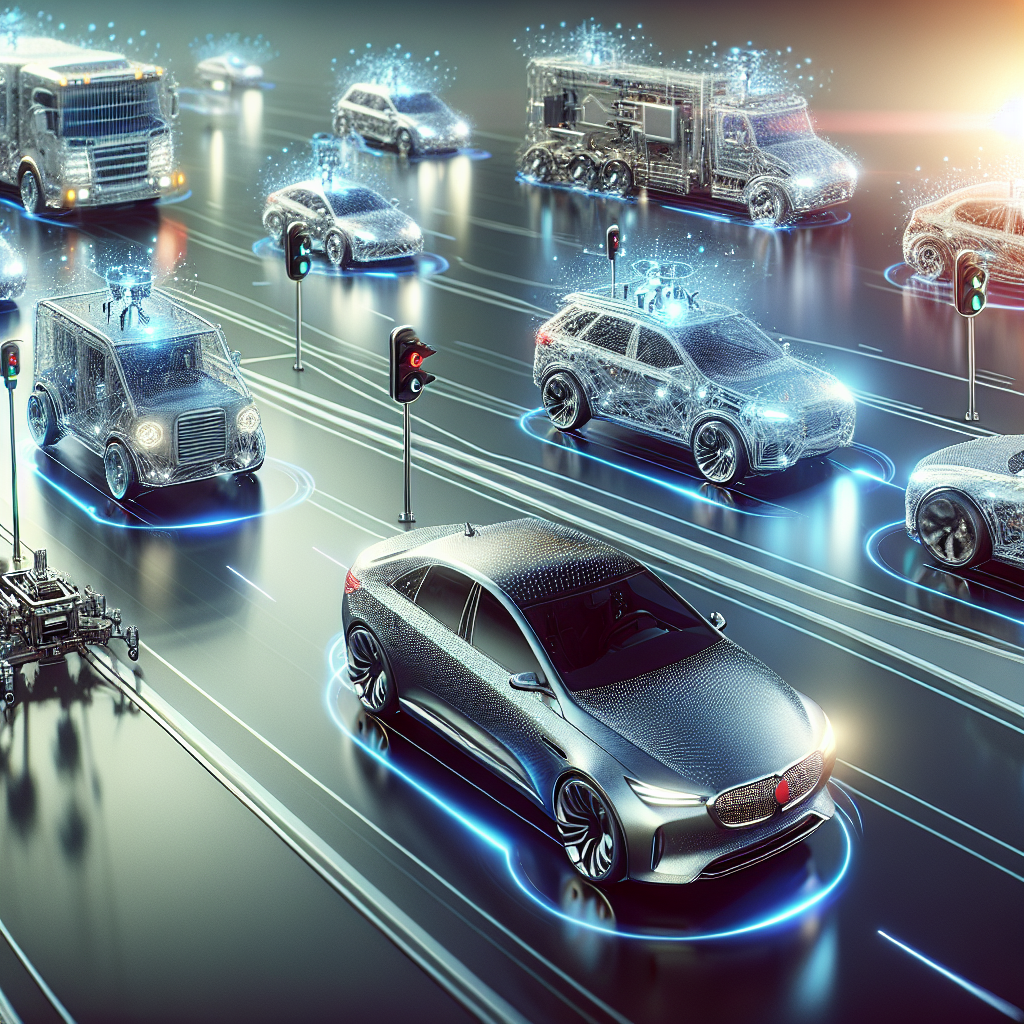
In the rapidly evolving field of automotive engineering, the concept of connected vehicles has emerged as a transformative force. Connected vehicles, often referred to as smart cars, are equipped with internet access and a variety of sensors that allow them to communicate with other vehicles, infrastructure, and external networks. This connectivity enhances the driving experience, improves safety, and paves the way for autonomous driving. The importance of connected vehicles in engineering cannot be overstated, as they represent a significant leap towards smarter, more efficient, and safer transportation systems.
Fundamentals
Basic Principles and Concepts
Connected vehicles operate on the principle of Vehicle-to-Everything (V2X) communication, which encompasses several types of interactions:
- Vehicle-to-Vehicle (V2V): Communication between vehicles to share information about speed, position, and other critical data to prevent collisions and improve traffic flow.
- Vehicle-to-Infrastructure (V2I): Interaction with road infrastructure such as traffic lights, road signs, and toll booths to optimize traffic management and reduce congestion.
- Vehicle-to-Pedestrian (V2P): Communication with pedestrians and cyclists to enhance safety for all road users.
- Vehicle-to-Network (V2N): Connection to the internet and cloud services for real-time data processing, navigation, and infotainment.
Key terms in the realm of connected vehicles include:
- Telematics: The integration of telecommunications and informatics to provide services such as navigation, emergency assistance, and remote diagnostics.
- Internet of Things (IoT): The network of physical devices connected to the internet, enabling them to collect and exchange data.
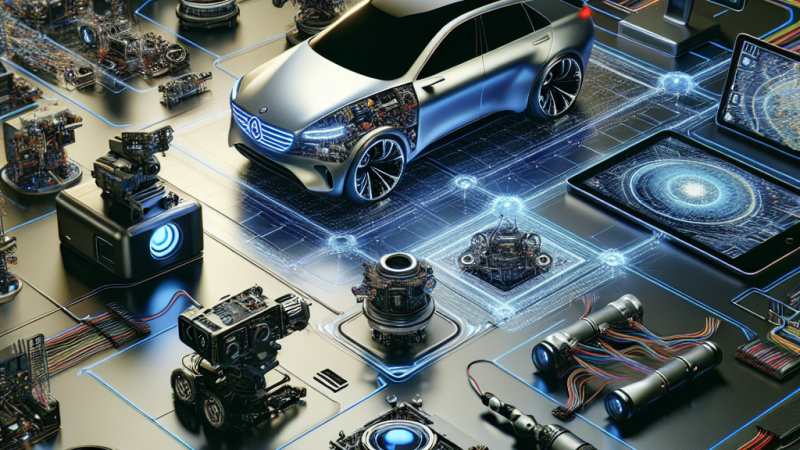
- Autonomous Driving: The capability of a vehicle to operate without human intervention, relying on sensors, cameras, and artificial intelligence.
Historical Development
The journey of connected vehicles began with the advent of telematics in the late 20th century. Early systems focused on navigation and emergency response, such as General Motors’ OnStar service introduced in 1996. This service provided features like automatic crash notification and stolen vehicle tracking, laying the groundwork for more advanced connectivity.
In the early 2000s, advancements in wireless communication and the proliferation of smartphones accelerated the development of connected vehicle technologies. The introduction of 4G LTE networks enabled faster data transmission, allowing for real-time traffic updates and enhanced infotainment systems.
Notable milestones include:
- 2008: The European Union’s eCall initiative mandated that all new cars be equipped with emergency call systems by 2018.
- 2010: The launch of Ford’s SYNC system, which integrated voice control, navigation, and smartphone connectivity.
- 2015: The introduction of Vehicle-to-Vehicle (V2V) communication by the U.S. Department of Transportation, aimed at reducing traffic accidents.
These developments have been driven by contributions from notable figures such as Elon Musk, whose vision for Tesla’s Autopilot system has pushed the boundaries of autonomous driving and vehicle connectivity.
Applications
Connected vehicles have a wide range of practical applications across various industries and fields:
Automotive Industry
In the automotive industry, connected vehicles enhance the driving experience through features like:
- Advanced Driver Assistance Systems (ADAS): Technologies such as adaptive cruise control, lane-keeping assist, and automatic emergency braking improve safety and convenience.
- Infotainment: Integration with smartphones and cloud services provides drivers and passengers with access to music, navigation, and real-time traffic updates.
- Remote Diagnostics: Telematics systems enable remote monitoring of vehicle health, allowing for predictive maintenance and reducing downtime.
Transportation and Logistics
Connected vehicles play a crucial role in transportation and logistics by optimizing fleet management and improving efficiency:
- Fleet Management: Real-time tracking and monitoring of vehicles help companies optimize routes, reduce fuel consumption, and improve delivery times.
- Supply Chain Management: Enhanced visibility into the movement of goods ensures timely deliveries and reduces the risk of theft or loss.
Smart Cities
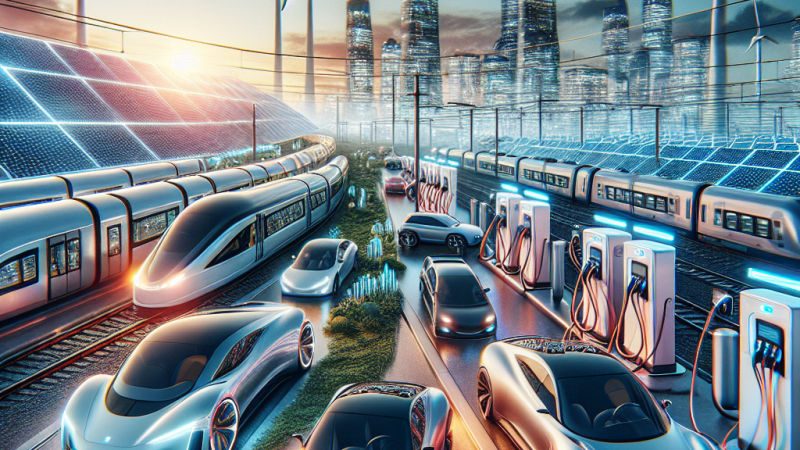
In the context of smart cities, connected vehicles contribute to intelligent transportation systems (ITS) that enhance urban mobility:
- Traffic Management: V2I communication allows for dynamic traffic signal control, reducing congestion and improving traffic flow.
- Public Safety: Integration with emergency services enables faster response times and improved coordination during incidents.
Advanced Topics
Recent Research and Innovations
Recent research in connected vehicle technology focuses on enhancing V2X communication, improving cybersecurity, and advancing autonomous driving capabilities:
- 5G Networks: The deployment of 5G technology promises ultra-low latency and high-speed data transmission, enabling more reliable V2X communication.
- Artificial Intelligence (AI): AI algorithms are being developed to process vast amounts of data from sensors and cameras, enabling real-time decision-making for autonomous vehicles.
- Blockchain: Blockchain technology is being explored to enhance the security and integrity of data exchanged between connected vehicles and infrastructure.
Future Trends
The future of connected vehicles is poised to bring several exciting trends:
- Fully Autonomous Vehicles: Continued advancements in AI and sensor technology will pave the way for fully autonomous vehicles that can navigate complex environments without human intervention.
- Vehicle-to-Everything (V2X) Ecosystem: The development of a comprehensive V2X ecosystem will enable seamless communication between vehicles, infrastructure, and other road users.
- Shared Mobility: Connected vehicles will play a key role in the rise of shared mobility services, such as ride-hailing and car-sharing, reducing the need for private car ownership.
Challenges and Considerations
Despite the numerous benefits, connected vehicles face several challenges and considerations:
Cybersecurity
The increased connectivity of vehicles makes them vulnerable to cyberattacks. Ensuring robust cybersecurity measures is critical to protect against hacking and data breaches.
Data Privacy
The collection and sharing of vast amounts of data raise concerns about privacy. Regulations and policies must be established to safeguard personal information and ensure transparency.
Infrastructure
The deployment of connected vehicle technology requires significant investment in infrastructure, such as 5G networks and smart traffic signals. Coordinated efforts between governments and private sectors are essential to build this infrastructure.
Standardization
The lack of standardized protocols for V2X communication can hinder interoperability between different systems and manufacturers. Establishing common standards is crucial for the widespread adoption of connected vehicle technology.
Conclusion
Connected vehicles represent a significant advancement in the field of automotive engineering, offering numerous benefits in terms of safety, efficiency, and convenience. From their early beginnings with telematics to the current developments in V2X communication and autonomous driving, connected vehicles have come a long way. As research and innovation continue to push the boundaries, the future of connected vehicles holds immense potential for transforming transportation systems and enhancing urban mobility. However, addressing challenges such as cybersecurity, data privacy, and infrastructure development is essential to fully realize the benefits of this technology. In conclusion, connected vehicles are a pivotal element in the evolution of automotive engineering, driving us towards a smarter, safer, and more connected future.